Active Investing

Hands-on investing hustle.

Actively manage investments to pursue above-average returns.

15-11.png

Introduction to Active Investing 

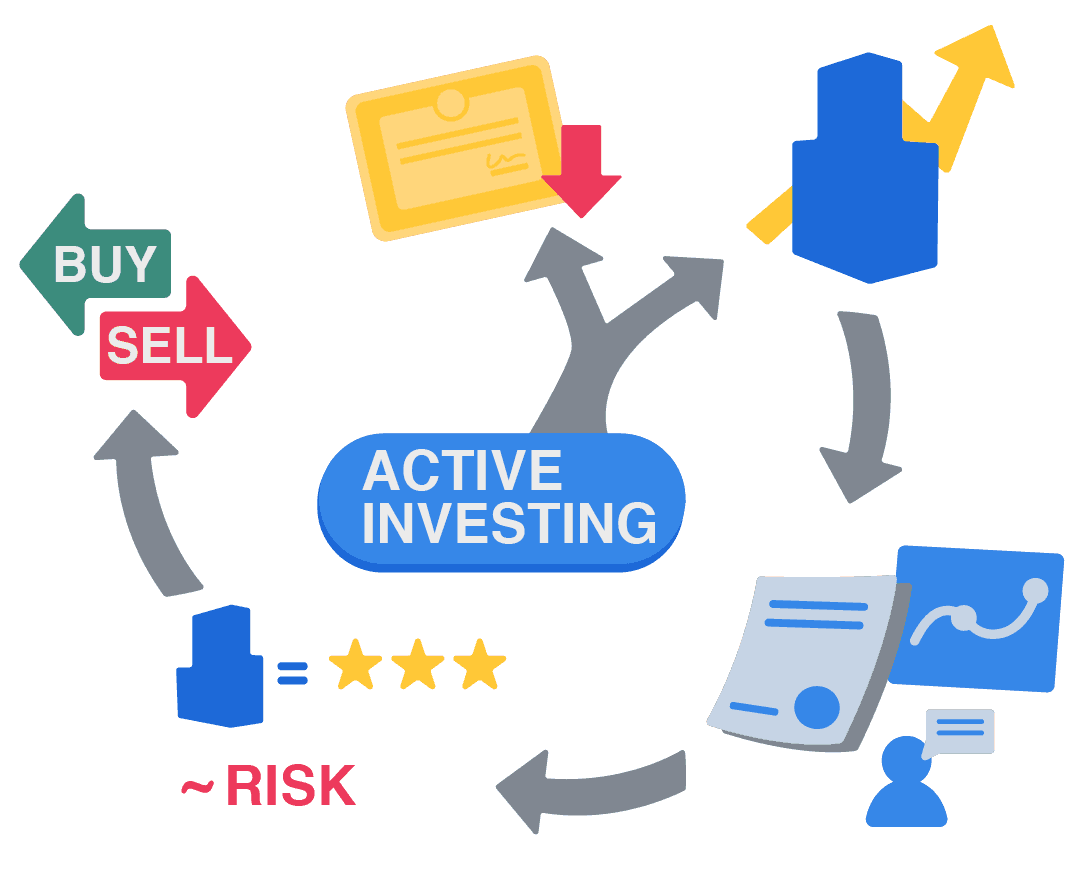
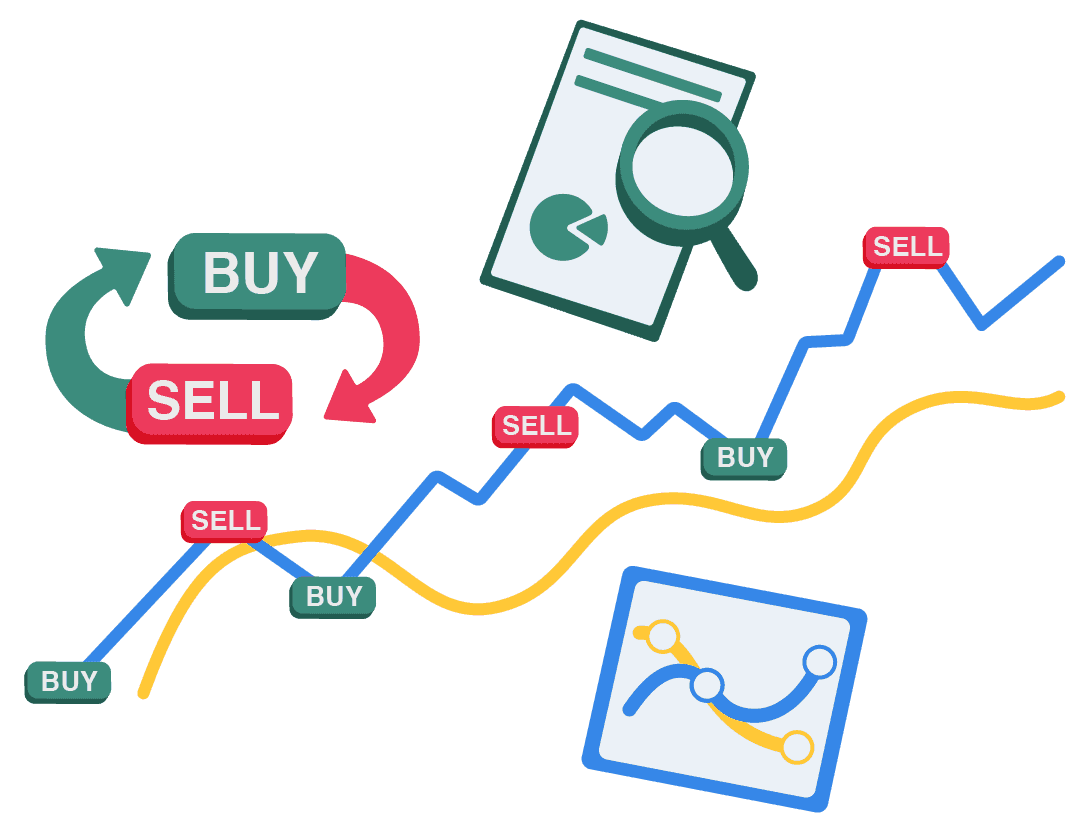
Active investing involves regularly selecting, buying, and selling assets to outperform a benchmark index. 

Unlike passive approaches that track an index over the long term, active investors study market trends, analyze company reports, and adjust their holdings based on new information gathered. 

This approach aims for above-average returns through informed decisions, adapting quickly to shifting conditions rather than simply mirroring the broader market.

15-12.png

Key Principles 

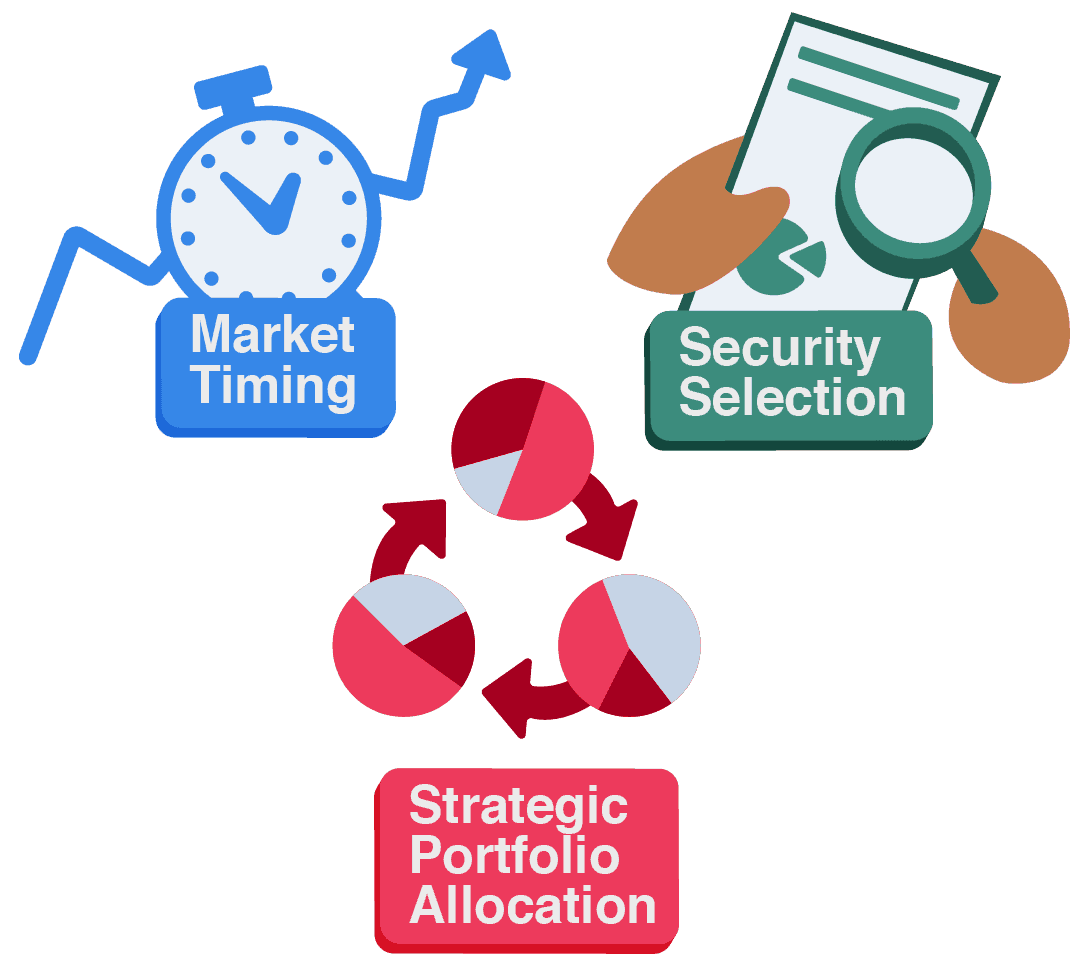
Active investing relies on core principles like market timing, security selection, and strategic portfolio allocation. 

Instead of holding every stock in a given index, active investors seek undervalued or high-potential assets. 

They review financial statements, follow industry news, and respond to market signals. 

By identifying mispriced securities, anticipating shifts, and managing risk, they position themselves to achieve returns beyond standard benchmarks.

15-13.png

Sarah Shifts Gears 

Encouraged by her quiet index-fund gains, Sarah decides to try beating the market through active investing. 

Each morning, she sits with her coffee, scanning headlines, dissecting earnings calls, and hunting for under-the-radar opportunities. 

Gone are the days of picking stocks by catchy tickers—now she’s a detective, piecing together clues from quarterly reports and industry trends. 

Energized by the chase, Sarah hopes to outsmart the averages and find true winners.

15-14.png

The Active Investing Process 

Active investors outline a clear strategy—maybe focusing on undervalued stocks or emerging industries—then gather data from corporate filings, market forecasts, and analyst opinions. 

They assess a company’s fundamentals, evaluate risks, and choose when to buy or sell. 

Unlike passive strategies that rarely change course, active methods demand continuous refinement. 

Investors monitor developments and adjust positions, striving to maintain an edge as conditions evolve.

15-15.png

Analytical Methods 

Fundamental analysis examines a company’s financial health, leadership quality, competitive edge, and growth potential to determine its intrinsic value. 

Technical analysis studies price patterns, trading volume, and market sentiment for clues on when to enter or exit. 

Many active investors blend both methods, leveraging fundamental insights to identify strong candidates and using technical signals to time their trades, aiming to capture both value and momentum.

Do you want to learn more?
Download InvestMentor to access the full lesson and explore interactive courses that build your financial knowledge and guide you toward smarter investing decisions.