Passive Investing

Set it, forget it, and grow.

Grow wealth steadily with simple, stress-free passive investing.

15-01.png

Introduction to Passive Investing 

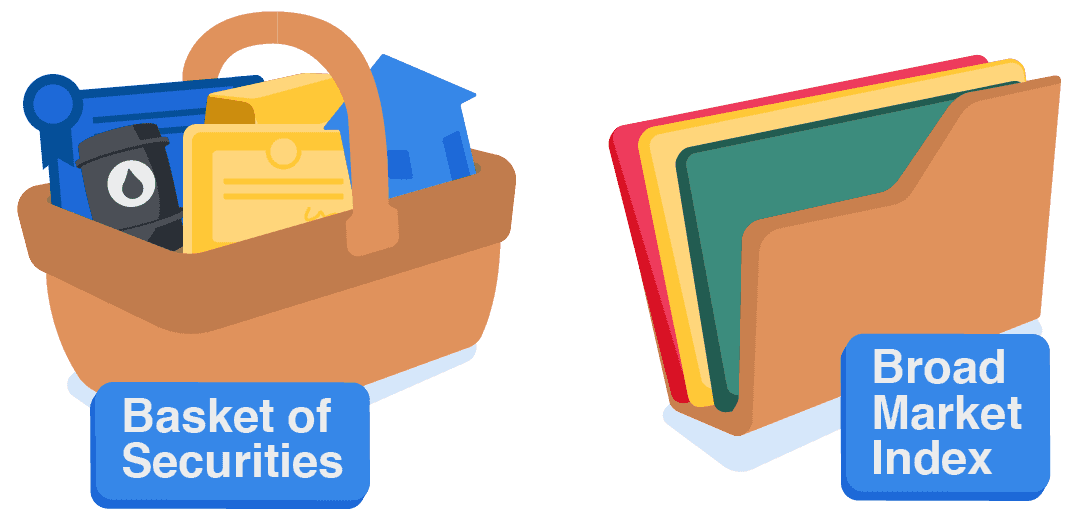
Passive investing involves buying a broad market index or a diversified basket of securities, then holding them for the long term. 

Instead of attempting to outperform the market, passive investors seek to match market returns by minimizing the need for active trading and analysis. 

Throughout this course, we’ll follow Sarah, a 29-year-old freelance graphic designer from San Diego who’s just beginning her investing journey, eager to find the approach that fits her style.

15-02.png

Key Principles 

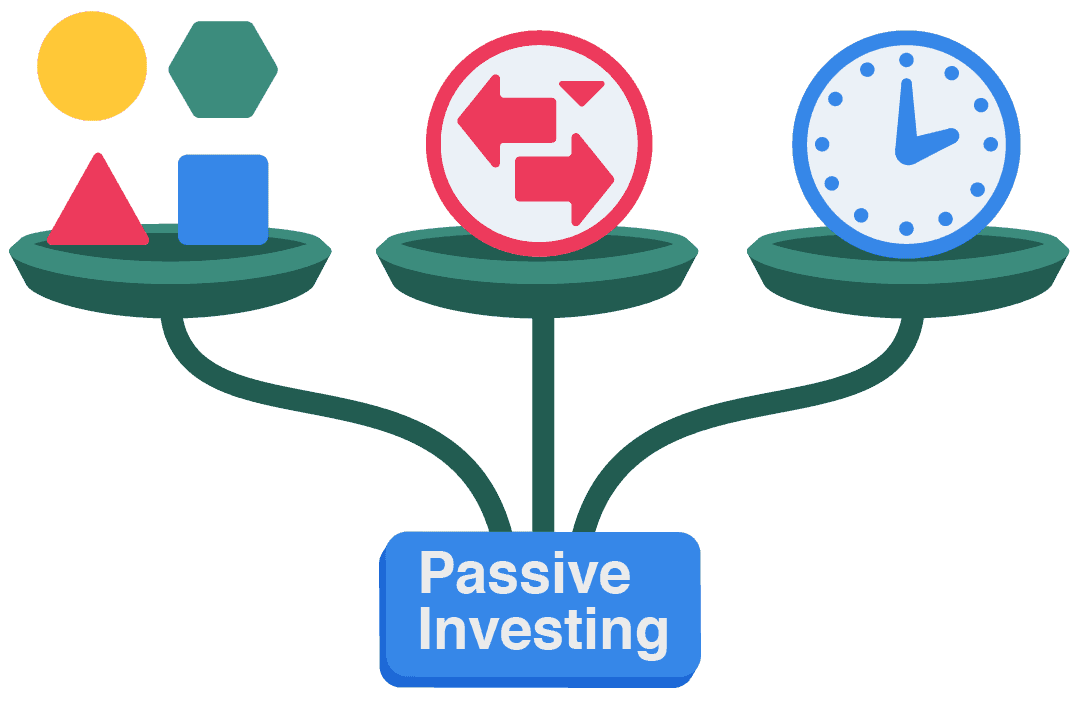
Passive investing is built on three core principles: broad diversification, minimal trading, and patience. 

Rather than picking individual stocks, investors use index funds or ETFs that represent entire markets or sectors. 

This diversification helps reduce risk, ensuring that no single stock's performance can drastically impact returns. 

By minimizing trading and avoiding frequent market timing, passive investors keep costs low and focus on steady, long-term growth driven by the overall market's progress.

15-03.png

Sarah Embraces Simplicity  

Initially nervous about the stock market’s ups and downs, Sarah selects a broad market index fund to calm her anxieties. 

Rather than poring over endless reports, she adopts a simple, “set it and forget it” approach. 

Now, as she savors her morning coffee in the gentle sunlight, her money quietly grows in the background. 

Feeling more relaxed and confident, Sarah appreciates the steady progress—though a small voice still wonders if she might someday do even more.

15-04.png

The Passive Investing Process 

Passive investing begins with selecting a diversified index fund or ETF that matches your financial goals and risk tolerance. 

After purchasing shares, you hold your positions over time, trusting in the long-term growth of the market. 

By resisting the temptation to time the market, passive investors let compounding returns work for them. 

This hands-off approach avoids the stress of constant decision-making or reacting to daily market swings, leading to steady growth and less emotional investment management.

15-05.png

Common Passive Vehicles 

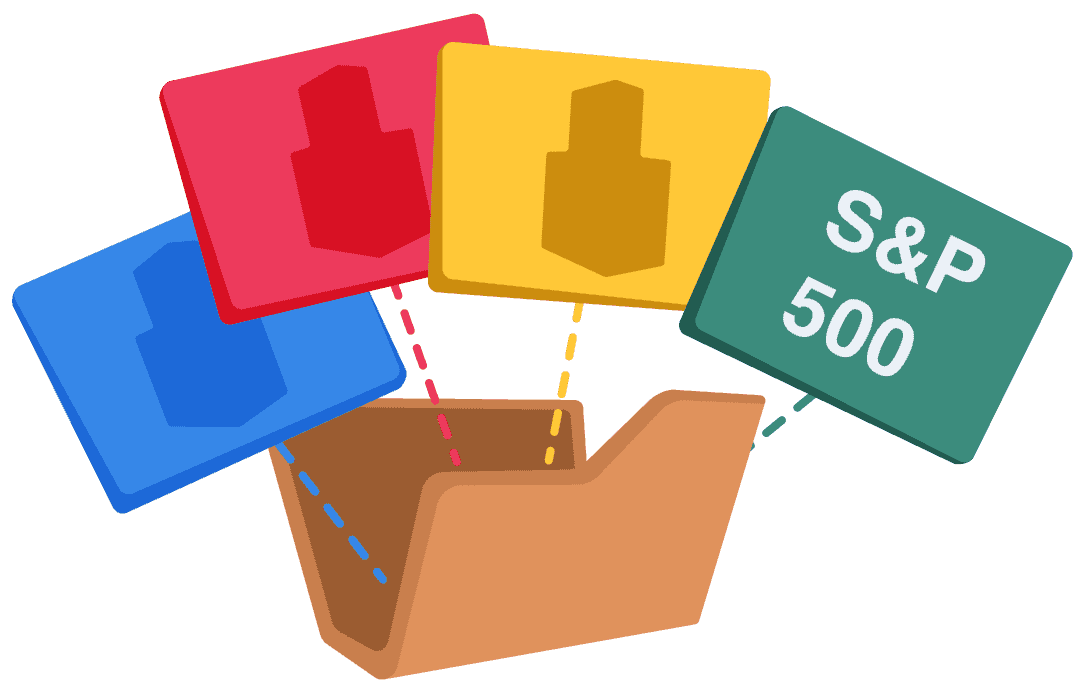
Index funds and ETFs are popular for passive investors. These funds hold a broad range of securities that track specific market indices like the S&P 500. 

By investing in them, investors gain exposure to many companies without researching individual stocks. 

This diversification reduces risk and mirrors market returns. 

With lower fees and fewer trades than active management, index funds and ETFs are affordable, simple ways to invest without the complexity of picking individual stocks.

Do you want to learn more?
Download InvestMentor to access the full lesson and explore interactive courses that build your financial knowledge and guide you toward smarter investing decisions.