Unsystematic Investment Risks

Risks you can dodge

Reduce company-specific risks with diversification and research.

19-14.png

Introduction to Unsystematic Risks

Unsystematic risks stem from company- or industry-specific factors, such as poor leadership, product failures, or regulatory changes impacting certain sectors. 

These localized risks differ from market-wide events and can be mitigated through diversification. 

By spreading investments across different companies, industries, or regions, investors reduce their reliance on any single asset and limit the impact of individual setbacks, creating a more resilient portfolio.


Examples of Unsystematic Risks 

Unsystematic risks arise from localized factors affecting specific companies or industries. 

These include company-specific issues such as product recalls, strategic missteps, or leadership scandals; sector-specific downturns like declining demand or disruptions caused by new technologies; and regulatory pressures from laws or policies imposing restrictions or obligations on particular sectors. 

The effects of these risks vary significantly, depending on the specific circumstances of the affected entities.

19-15.png

Systematic vs Unsystematic Risks 

Systematic risk impacts the entire market or asset class and stems from macroeconomic factors like recessions, interest rate changes, or geopolitical events. 

It cannot be eliminated through diversification. 

Unsystematic risk, however, is company- or industry-specific, caused by issues such as management scandals or product recalls, and can be mitigated through diversification. 

The key distinction is that systematic risk is market-wide, while unsystematic risk is localized.

19-16.pngJane’s First Encounter with Unsystematic Risk 

Jane invested $6,000 in DriveSmart Inc., swept up by the excitement of self-driving cars. 

When safety flaws surfaced, the stock nosedived 40%, leaving her with just $3,600. 

Her dad’s advice to “dig deep before diving in” echoed in her mind as DriveSmart’s collapse proved that even innovative ideas could crumble. 

The experience taught Jane that overconcentration in a single stock is like placing all her chips on one bet—a risky move that can leave little room for recovery.

19-17.png

Power of Diversification 

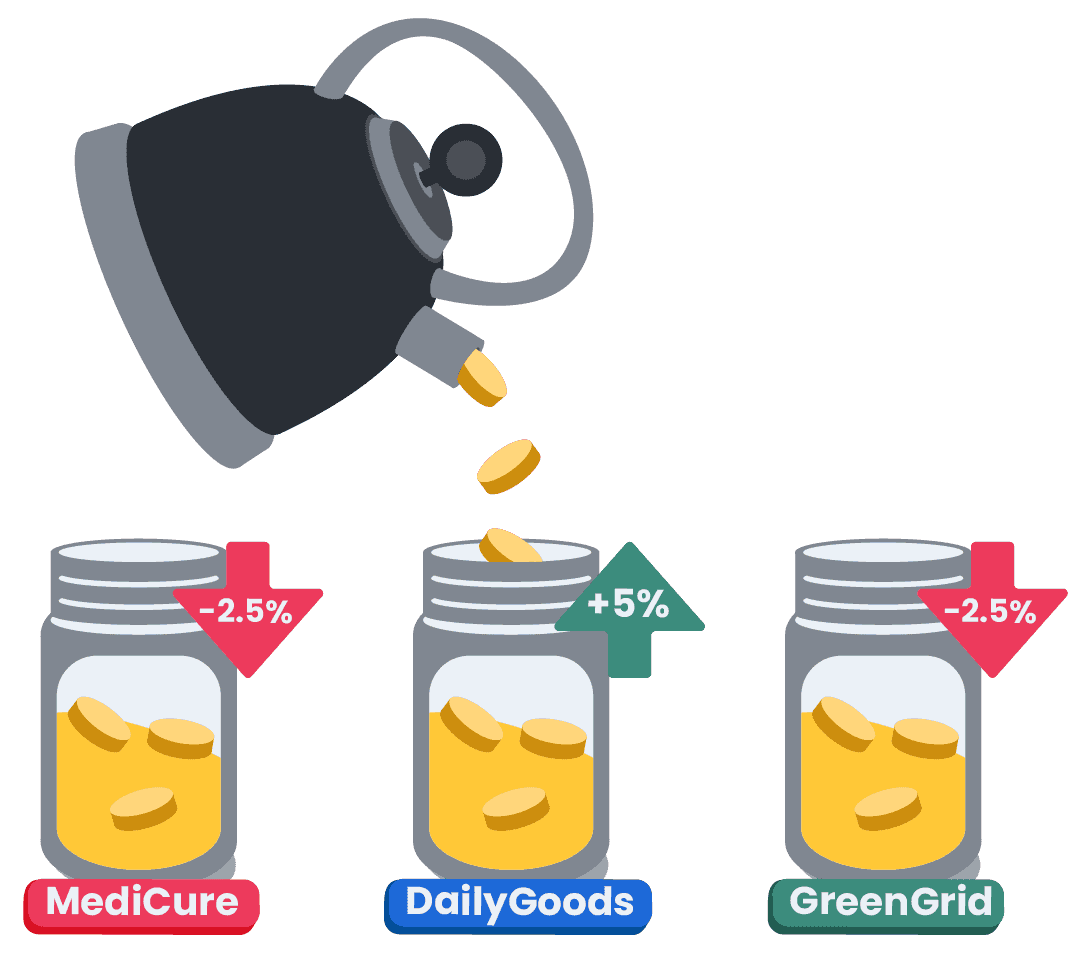
Diversification spreads capital across assets whose returns are uncorrelated, meaning they respond differently to economic conditions. 

When one investment dips, another may hold steady or rise, reducing overall volatility. 

A balanced mix—equities, bonds, real estate, commodities—exploits distinct return patterns. 

This synergy dampens the effect of individual setbacks and stabilizes performance, protecting portfolios from heavy concentration risk.

Do you want to learn more?
Download InvestMentor to access the full lesson and explore interactive courses that build your financial knowledge and guide you toward smarter investing decisions.