Mechanics of Leverage

Investing with borrowed money

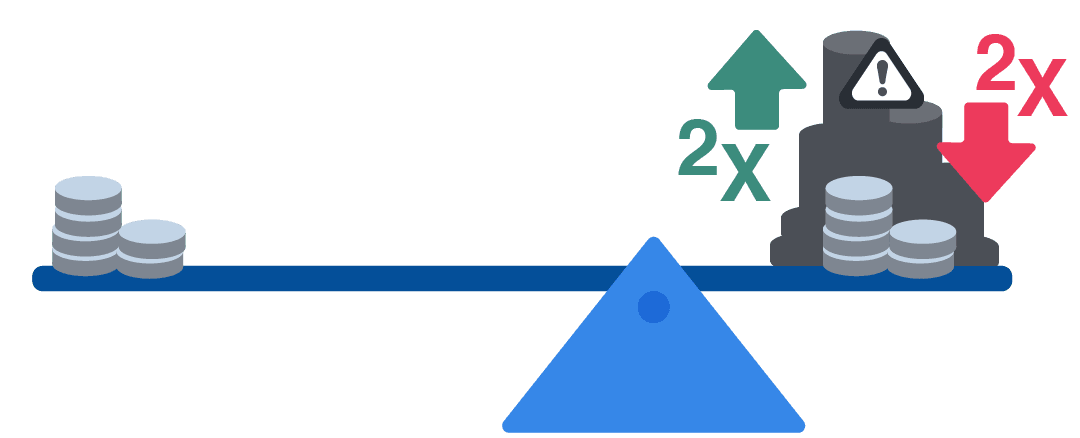
Leverage magnifies gains and losses - use it cautiously and wisely.

21-11.png

Introduction 

Leverage involves using borrowed capital or margin to increase the size of an investment position beyond what personal funds alone would allow. 

It amplifies returns when asset prices move in favor of the investor but also magnifies losses when prices go in the opposite direction. 

Proper understanding of leverage fundamentals, including its impact on risk, volatility, and potential margin calls, is essential for managing its effects within a portfolio.

How Leverage Works 

Leverage increases an investor’s market exposure by allowing them to purchase or hold more assets than their available capital would otherwise support. 

For instance, at 2:1 leverage, a $10,000 investment controls $20,000 worth of securities. 

Although this setup can double gains, it can also double losses. 

Maintaining leverage typically entails paying interest on borrowed funds and meeting margin requirements, with the risk of margin calls if asset values fall substantially.

21-12.png

Types of Leverage 
 
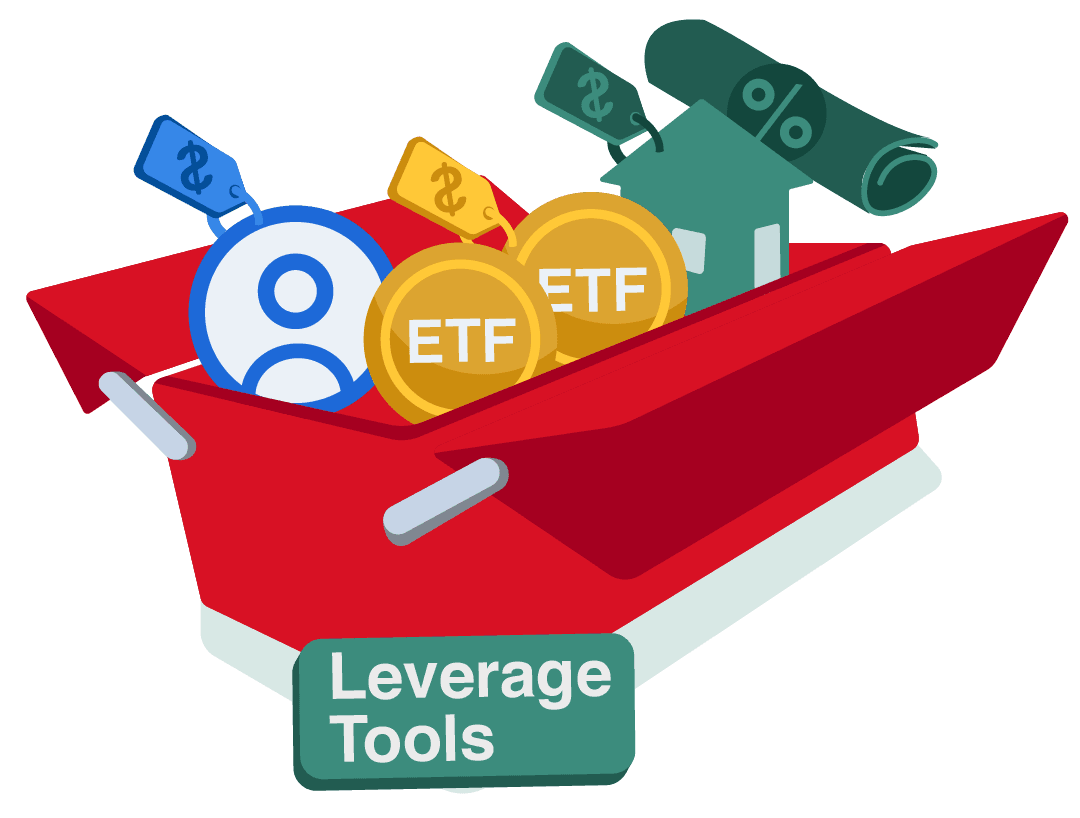
Margin trading allows investors to borrow funds from a broker to buy securities, using those securities as collateral. 

Leveraged ETFs amplify exposure to an index or sector, magnifying potential gains or losses. 

Borrowing against assets, like property, uses owned collateral to access funds for additional investments. 

Each method involves costs, increased volatility, and specific risks, making careful evaluation essential to align with an investor’s risk tolerance and financial goals.

Margin Accounts 

A margin account allows investors to borrow funds from a broker to purchase securities, using existing holdings as collateral. 

This increases purchasing power, amplifying both gains and losses. Investors must meet margin requirements, with margin calls occurring if equity falls below required levels. 

Borrowed funds also incur interest, reducing returns. 

While offering greater market exposure, margin accounts carry significant risks, requiring a clear understanding of leverage and risk tolerance.

21-13.png

Jane Experiments with Margin Trading 

Inspired by her diversification and risk-adjusted performance journey, Jane ventured into margin trading, leveraging her $5,000 MediCure stake to $10,000. 

A 10% price climb doubled her gains, but a clinical trial delay caused an 8% plunge, turning her small loss into a sharp $800 hit. 

Scrambling to meet a margin call, Jane realized that while leverage amplifies gains, it also magnifies losses. 

This experience underscores the importance of caution and boundaries in leveraging investments.

Do you want to learn more?
Download InvestMentor to access the full lesson and explore interactive courses that build your financial knowledge and guide you toward smarter investing decisions.