
Types of Financial Markets II.

More on market breeds.

Distinguish structures: exchange-traded, OTC, local, and foreign.

Exchange-Traded Markets 

Markets also differ in how they are organized, whether through centralized exchanges or more flexible, decentralized platforms. 

Exchange-traded markets are formal venues where securities, commodities, and other financial instruments are traded through centralized exchanges like the NYSE and CME. 

These markets provide transparency, standardization, and regulatory oversight, crucial for maintaining investor confidence and ensuring the orderly functioning of the financial system.

02-03 (1).png

Over-the-Counter Markets 

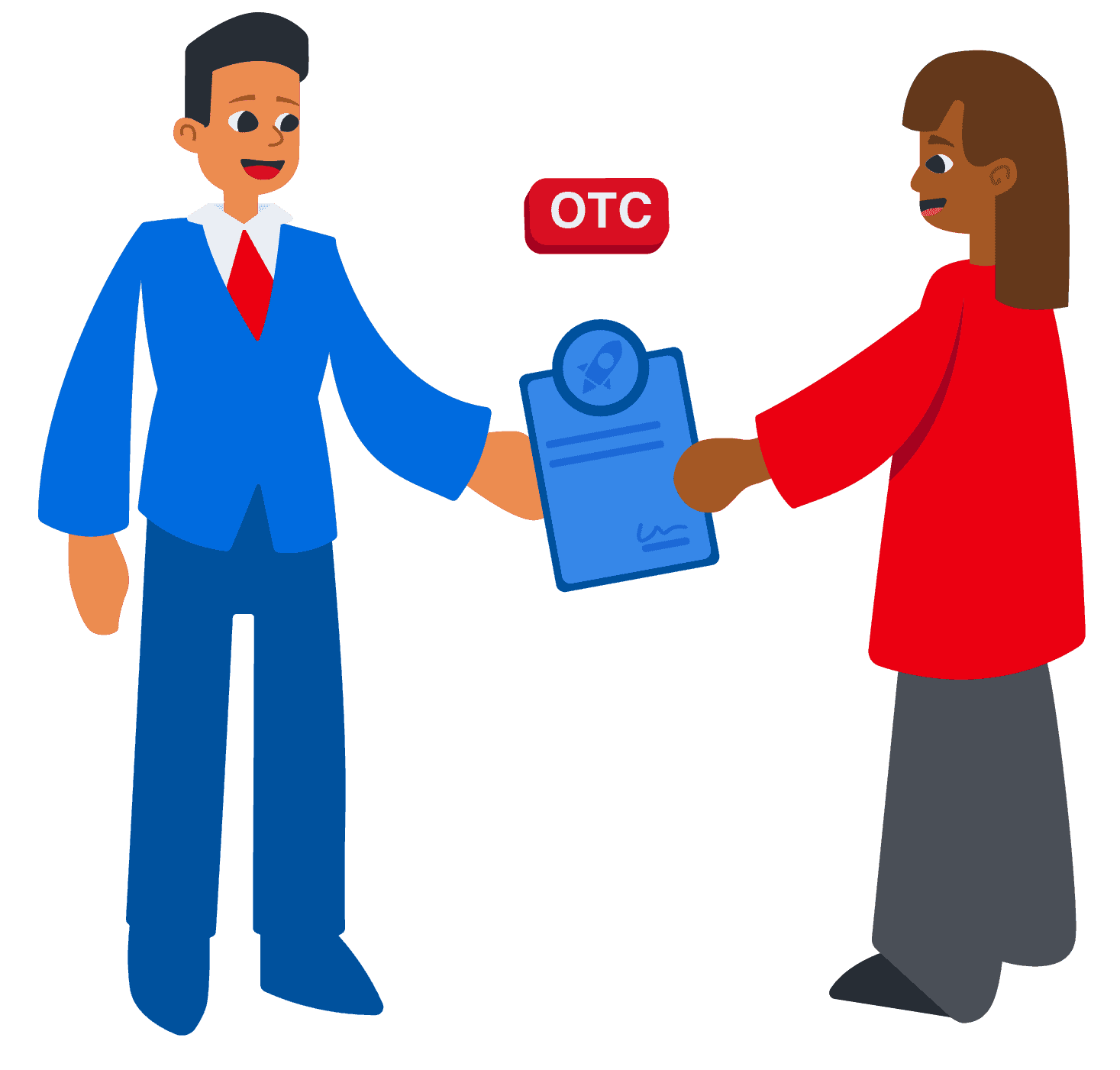
Over-the-counter (OTC) markets are decentralized platforms where financial instruments are traded directly between parties without centralized exchanges. 

They offer flexibility and customization, commonly used for derivatives, bonds, and foreign exchange. 

While OTC markets provide tailored solutions for participants, they often have less transparency and higher counterparty risk compared to exchange-traded markets, requiring careful risk management by investors.

Domestic Markets 

Geography also plays a pivotal role in financial markets. 

Domestic markets are financial markets that operate within a specific country, focusing on local currency securities and assets. 

These markets are essential for a country's economic development, providing local businesses with capital and offering investment opportunities to domestic investors. 

Examples include the Tokyo Stock Exchange and the London Stock Exchange. 

Domestic markets reflect the health of the local economy.

02-09.png

Foreign Markets 

Foreign markets are financial markets located outside an investor's home country. 

Investing in foreign markets allows for portfolio diversification and access to global growth opportunities. 

However, these markets come with additional risks, such as foreign exchange and political risks. 

Examples include Euronext, the Toyko Stock Exchange, and the Hong Kong Stock Exchange. 

Foreign markets offer diverse opportunities but require careful consideration of the risks involved.

Debt Markets 

The type of claim on assets is another key factor, distinguishing markets that deal with debt instruments from those trading equity stakes. 

Debt markets, or fixed-income markets, are venues where debt instruments like bonds are traded. 

Governments, corporations, and entities issue bonds to raise capital, with investors purchasing them in exchange for periodic interest payments. 

Debt markets are crucial for providing long-term funding and are generally considered less risky than equity markets.

Do you want to learn more?
Download InvestMentor to access the full lesson and explore interactive courses that build your financial knowledge and guide you toward smarter investing decisions.