Order Types

How to shop for stocks.

Use market, limit, stop, or bracket orders to reach your investment goals.

10-15.png

Introduction to Order Types

Order types tell your broker how you want your trade executed, letting you control factors like price, timing, and risk

Many traders default to simple market orders, guaranteeing quick execution but sacrificing price precision, only to discover they’ve paid more (or sold for less) than anticipated in fast-moving markets. 

By using different order types, traders can: 

  • Avoid unnecessary losses.
  • Secure better entry and exit points.
  • Manage risk effectively.

Let’s join Daniel to master various order types.
03-08.png

Market Order vs Limit Order

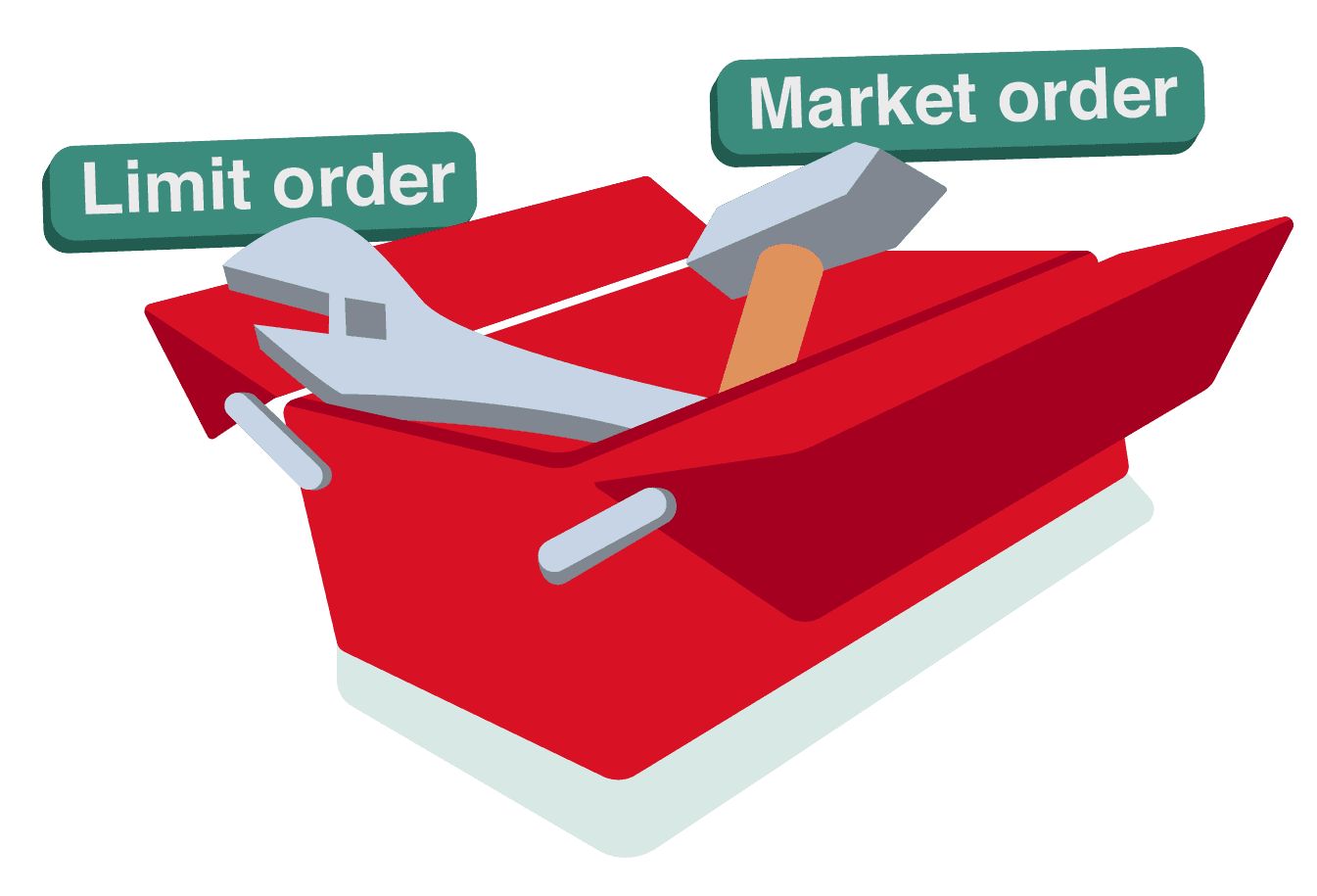
A market order buys or sells immediately at the best available price, ensuring execution but with no price guarantee

In volatile or illiquid markets, the final price may differ from the quote — this is called slippage.

A limit order sets a specific price for execution, ensuring a trade only occurs at that price or better. 

While this provides price control, there’s no guarantee of execution if the market doesn’t reach the set price. 

Market orders prioritize speed, while limit orders focus on precision.

Daniel Experiences Price Slippage

Busy tweaking his portfolio, Daniel places a market order to buy 100 shares of ByteMe Corp, currently trading at $50.

Due to market volatility, the price jumps to $51 before his order executes, costing him more than expected. 

He realizes that while market orders guarantee execution, they offer no price control, leading to slippage in fast-moving markets. 

Frustrated by the unexpected cost, Daniel begins researching limit orders, which allow traders to specify a maximum purchase price to avoid overpaying.

03-09.png

Key Types of Stop Orders

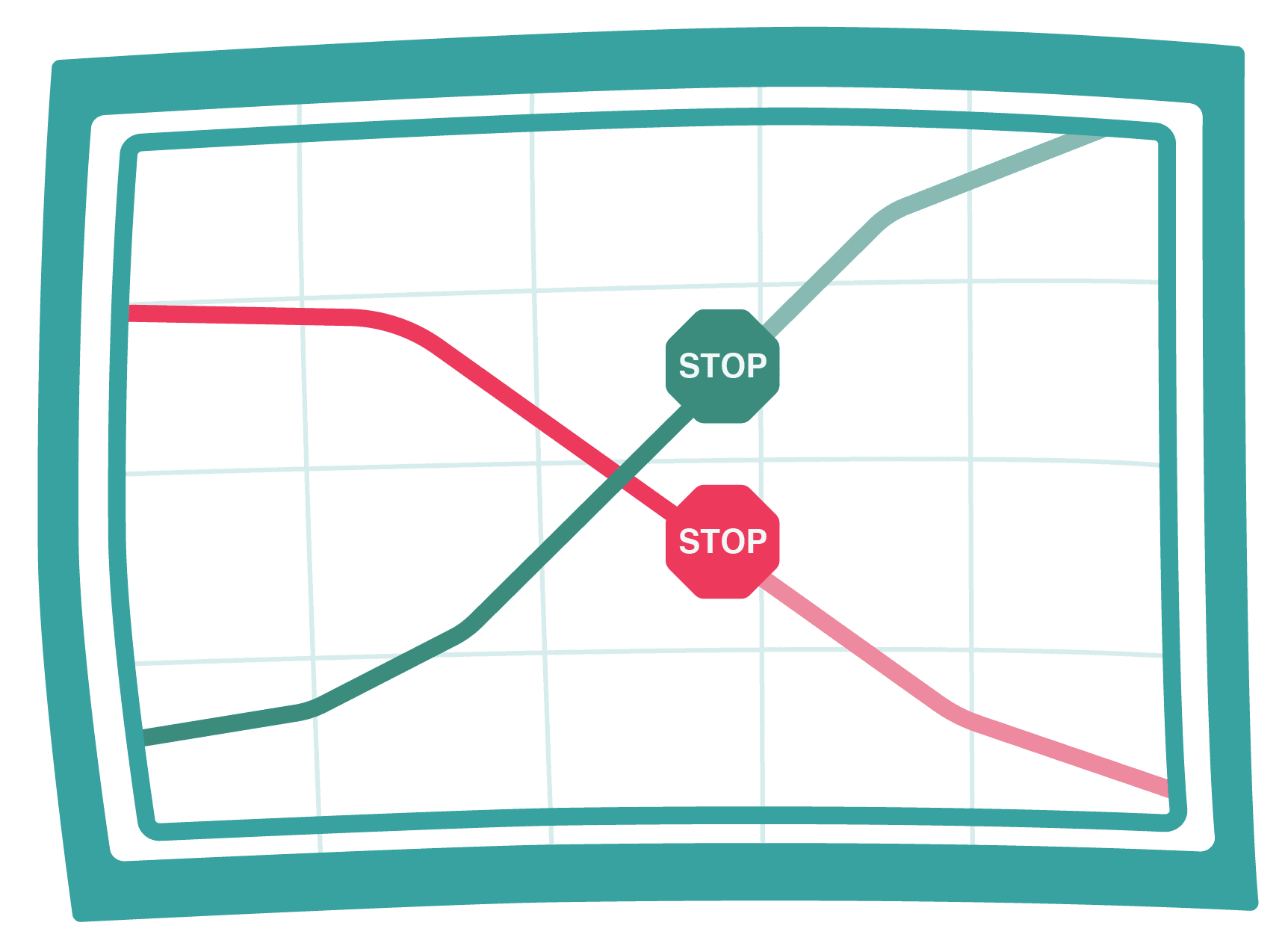
A stop order triggers a market order once a stock hits a set price. 

Other types of stop orders help you manage risk:

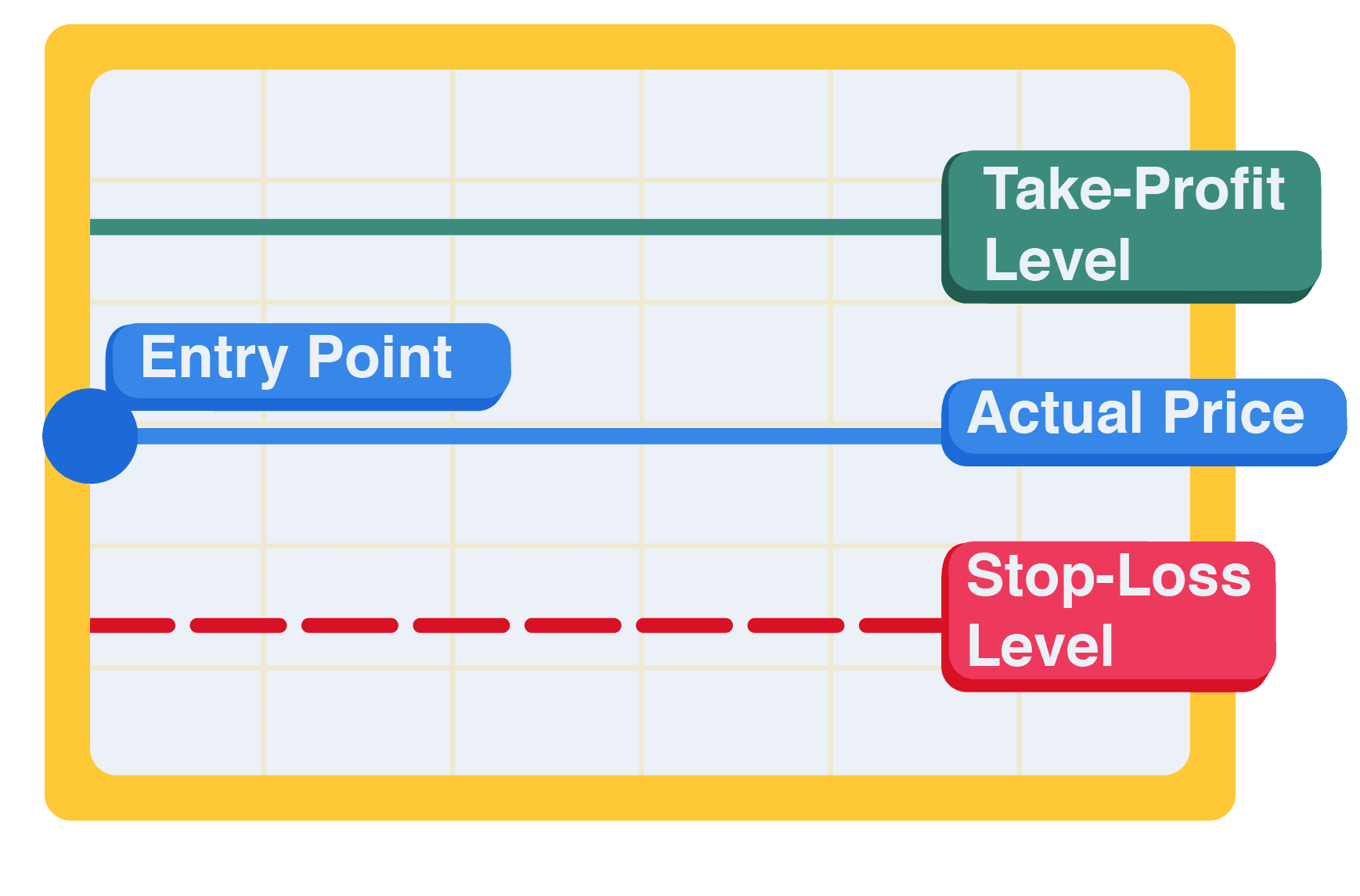
  • Stop-loss: Sells if the price drops too far, limits losses.
  • Stop-limit: Triggers a limit order instead of a market order.
  • Trailing stop: Moves with the market, locking in gains as prices rise.

If you buy a stock at $100 and set a 5% trailing stop, your stop price starts at $95. 

The stock climbs to $110, the stop moves to $104.50. If the stock falls to $104.50, the order is triggered.

Good ‘Til Canceled Order

A Good 'Til Canceled (GTC) order is one that remains active until it is either executed or manually canceled by the trader. 

Unlike day orders, which expire at the end of the trading day, GTC orders can remain in effect for weeks or even months, offering flexibility for long-term strategies. 

This order type is particularly useful for traders who set specific price targets and want to ensure their order remains active without having to monitor the stock constantly.

Do you want to learn more?
Download InvestMentor to access the full lesson and explore interactive courses that build your financial knowledge and guide you toward smarter investing decisions.