

Commodities I.

Trading Earth’s essentials

Discover what commodities are and how they impact the global economy.

10-06.png

Introduction to Commodities 

Commodities are the raw ingredients of the world: oil, wheat, copper, coffee. If it’s grown, mined, or pumped, it’s probably a commodity.

Unlike stocks or bonds, these are physical goods with real-world value. Their prices shift with global forces: weather, war, politics, and trade.

From fueling cars to feeding cities, commodities reflect supply and demand in motion. Investing in them means tracking global trends and learning how real-world events ripple through markets.
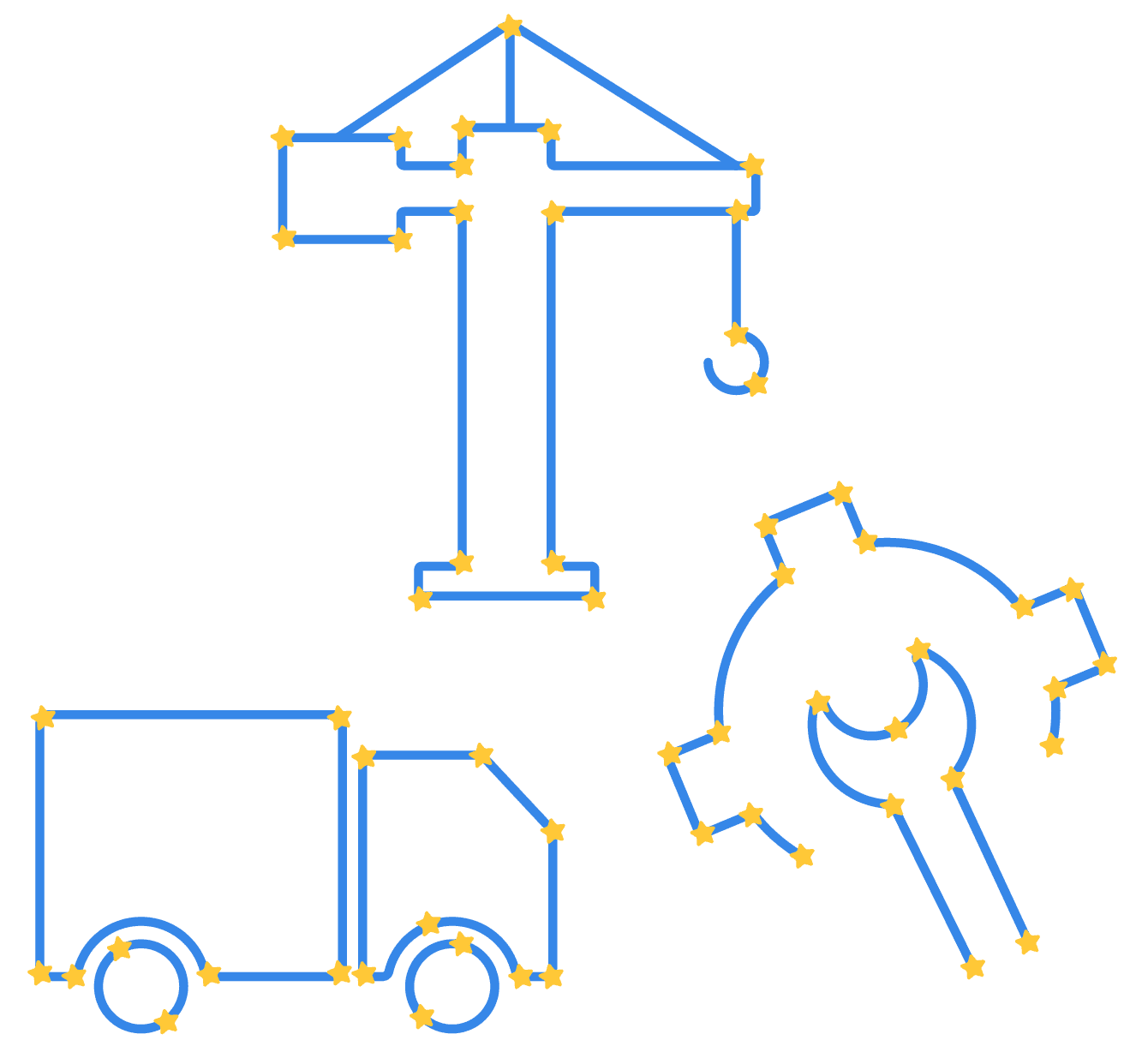
Types of Commodities 

Commodities are typically grouped into three main categories:

  • Agricultural: Crops like wheat, corn, and coffee. Livestock like cattle. Essential to global food supply chains.
  • Energy: Oil and natural gas. Both critical for powering industries, homes, and transportation.
  • Metals: Precious metals like gold and silver, valued for investment and jewelry. Industrial metals like copper and aluminum, used in construction and manufacturing.

Each category plays a unique role in the global economy.

Commodities as an Asset Class 

Commodities are a unique asset class because they're physical goods tied to real-world activity.

Unlike stocks or bonds, they don’t represent ownership or debt. Commodities are tangible assets with practical uses in everyday life. They have inherent utility.

Their prices are directly influenced by supply and demand rather than corporate performance. 

Commodities often behave differently from traditional financial assets, making them useful for portfolio diversification.

10-07.png

Role of Commodities in the Economy 

Commodities are central to global production and trade, serving as the raw materials for every sector worldwide. 

When prices shift, the ripple effects are real:

  • Wheat prices spike — bread, pasta, and animal feed get more expensive.
  • Food production costs climb, fueling inflation and squeezing household budgets.
  • Wage pressures grow, prompting central banks and governments to respond.

Understanding commodities helps you connect the dots of the global economy.

Supply and Demand Dynamics 

Commodity prices are primarily driven by global supply and demand. 

When supply decreases or demand increases, prices tend to rise; conversely, when supply increases or demand decreases, prices may fall. 

  • Supply is affected by production levels, geopolitics, and natural disasters.
  • Demand responds to economic growth, technological advancements, and changing consumer habits.

These dynamics are crucial for investors, as shifts in them can lead to significant price movements in commodity markets.

Do you want to learn more?
Download InvestMentor to access the full lesson and explore interactive courses that build your financial knowledge and guide you toward smarter investing decisions.