
Environmental Aspects

Investing green for gains.

How companies impact—and are impacted by—the environment.

05-01.png

Introduction to Environmental Aspects 
 
Environmental issues are a core part of ESG investing. 

They help investors understand how a company affects the planet—and how environmental factors might impact the company’s bottom line. 

This lesson explores key environmental topics like carbon emissions, climate risks, supply chain impact, and greenwashing. 

We’ll look at how investors assess environmental performance and how individuals like Alex are using this knowledge to guide sustainable investment decisions.
 Core Environmental Factors 

Environmental factors help measure how a company interacts with the natural world. 

Key metrics include its carbon footprint and greenhouse gas (GHG) emissions, which reflect its role in climate change. 

Other critical areas include how it manages waste, uses energy and water, and minimizes pollution. 

Companies that excel in resource efficiency and environmental practices are generally considered to be more resilient and better positioned for long-term value creation.

Climate Risks and Opportunities

Companies face two main types of climate-related risks. 

Physical risks are caused by extreme weather—like hurricanes, droughts, or wildfires—that can damage buildings, disrupt supply chains, or halt production. 

Transition risks come from changes in laws and market expectations, such as carbon taxes or new emissions limits. 

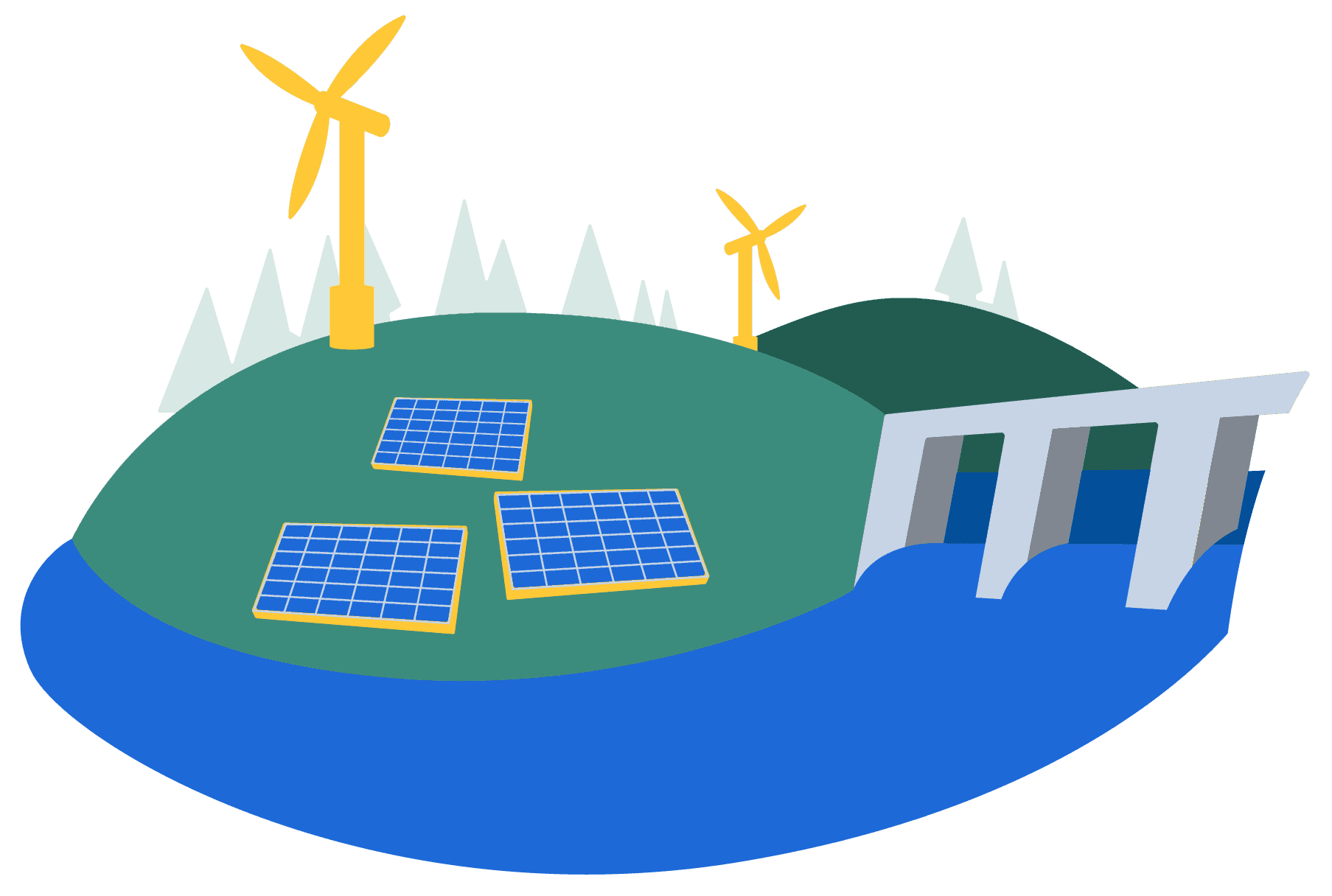
However, climate change also brings opportunity. Companies that invest in renewable energy, electric vehicles, or energy-saving technologies can benefit in a greener economy.

Alex Invests in a Solar Startup

Alex researches SolaraTech, a solar startup aiming to cut emissions 60% by 2028 and use 85% recyclable materials in its panels. 

The company holds a Cradle-to-Cradle certification, signaling strong product sustainability. 

With solar demand expected to grow 15% annually, Alex invests $10,000. 

He sees the company’s climate goals and market potential as a good mix of ESG impact and long-term financial growth, potentially making it a strategic addition to his clean energy portfolio.

05-03.png

Lifecycle Analysis and Supply Chain 

A company’s environmental impact isn’t limited to what happens inside its own buildings. 

A full lifecycle analysis tracks a product’s footprint from beginning to end. 

Extracting raw materials, making the parts, shipping them, using the product, and finally recycling or disposing of it. 

Companies also vet their suppliers—checking that they use responsibly sourced materials, manage energy wisely, and handle waste safely—so environmental standards are met at every step, not just on the shop floor.

Do you want to learn more?
Download InvestMentor to access the full lesson and explore interactive courses that build your financial knowledge and guide you toward smarter investing decisions.