Commodity Supply Chains

From mine to market

Explore how commodities move through global supply chains — and the environmental and ethical challenges along the way.

ChatGPT Image Dec 4, 2025, 05_05_01 PM.png

What Is a Commodity Supply Chain? 

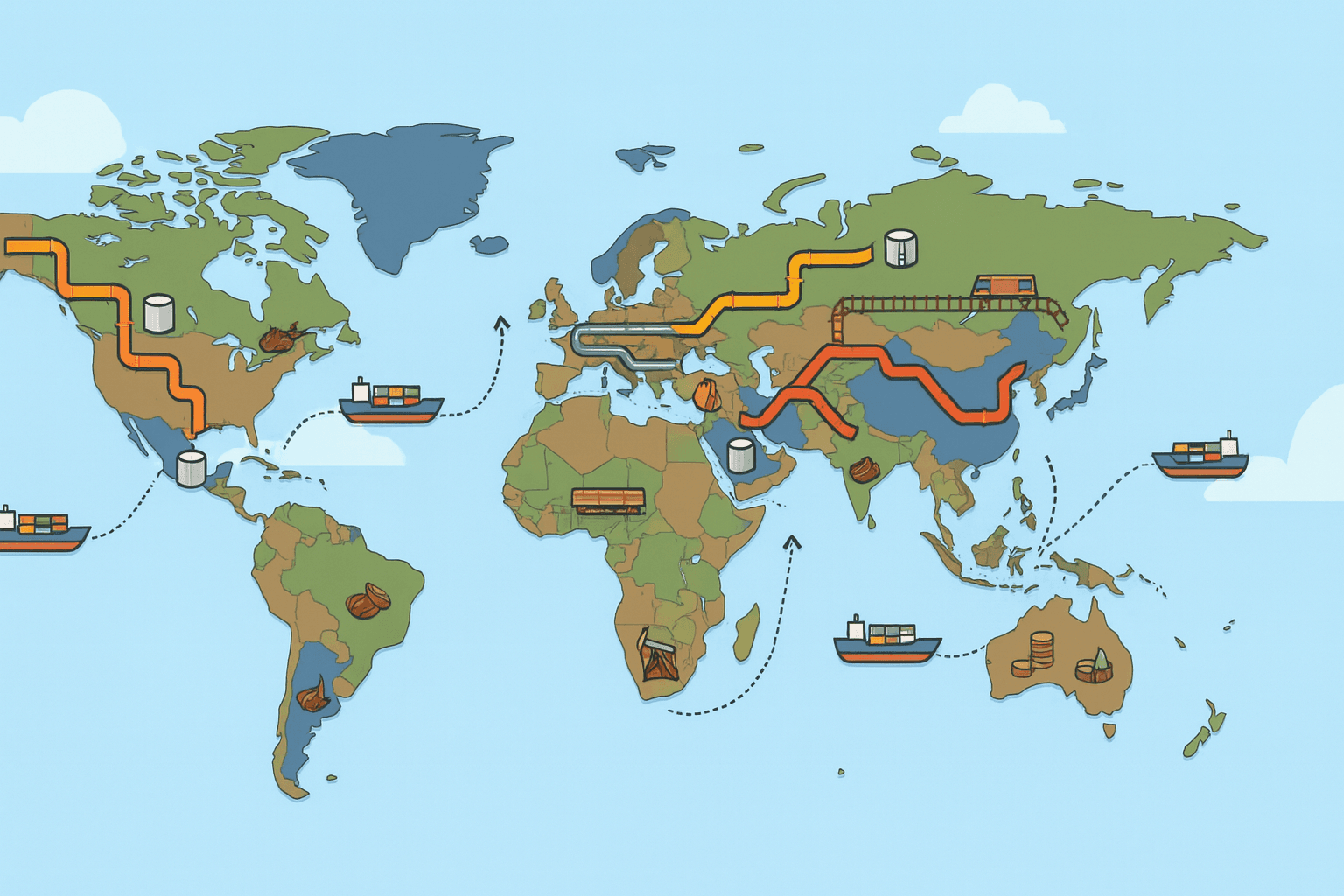
A commodity supply chain tracks the journey of raw materials from extraction to end use

It includes steps like mining, farming, refining, transport, storage, and delivery. 

Each adds cost, risk, and complexity, especially across borders.  

Unlike digital financial assets, commodities are physical

They require ports, ships, pipelines, railways, trucks, and warehouses. 

These long, multi‑step routes are vulnerable to disruptions, which can impact the availability and cost of the materials.
Kenzo Maps VoltMatter’s Cobalt Chain 

Kenzo’s team traces VoltMatter’s cobalt from a mine to a battery. 

It used to come from Ostara, dug from the ground, shipped across oceans, refined in Asia, and wired into VoltMatter’s cells. 

Each step involves contracts and customs. After the coup halts Ostara’s exports, Kenzo helps assess exposure and flag risks across the chain. 

VoltMatter doesn’t buy from miners directly, but their refiners do. 

They’re now rerouting orders to major producers in Indonesia and the Democratic Republic of Congo.

ChatGPT Image Dec 4, 2025, 05_11_54 PM.png

Chokepoints and Bottlenecks 

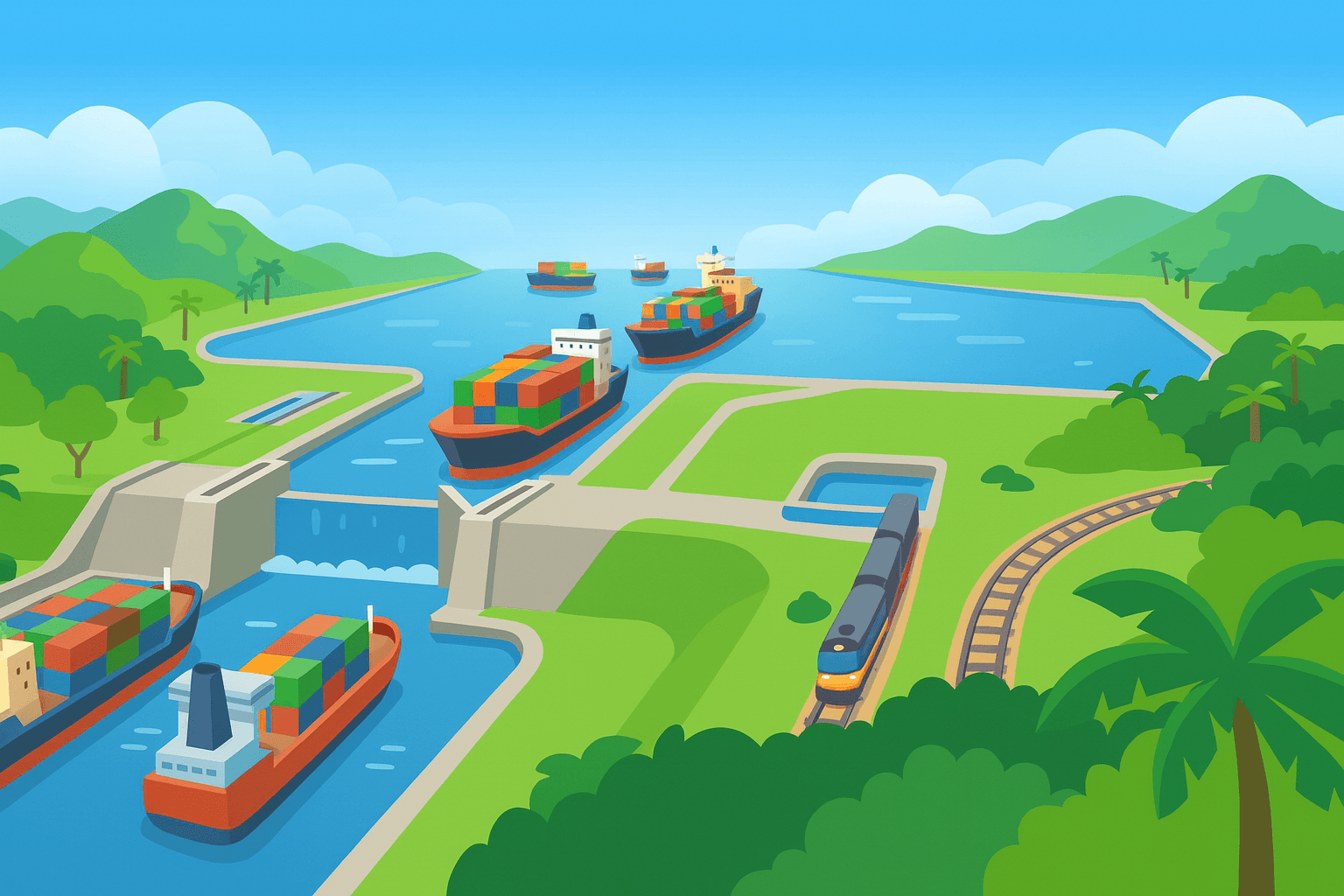
Commodity supply chains depend on key infrastructure:  

  • Ports like Shanghai, Singapore, and Rotterdam handle massive volumes of oil, metals, and grain
  • Canals such as Panama and Suez shorten maritime routes
  • Rail corridors move commodities inland
  • Pipelines carry oil and gas across borders

When chokepoints are blocked, for example, by strikes, storms, or military conflicts, shipments stall and prices spike. In 2021, a ship got accidentally wedged across the Suez Canal for days, delaying billions of dollars in trade.

ChatGPT Image Dec 4, 2025, 05_22_03 PM.png

From Spot Market to Factory Floor 

Even when prices are set on global exchanges, physical delivery takes time. 

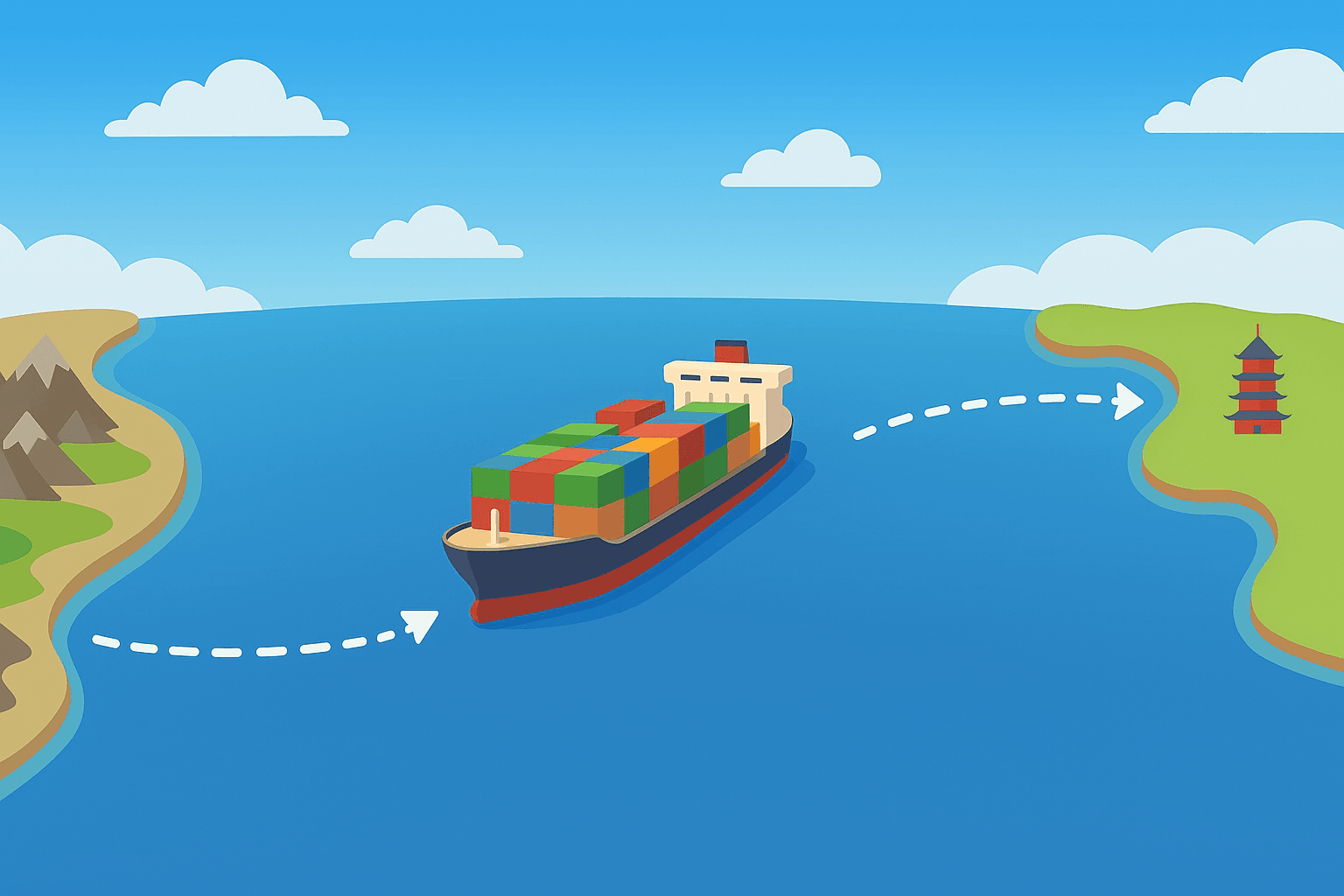
A copper futures contract might settle in London — but the metal still needs to be mined in Chile, refined in China, and shipped to Germany.  

Delays in any step can widen the gap between “paper” prices and real-world availability. 

That’s why traders and manufacturers track both market signals and physical flows.  

Kenzo’s team uses satellite data and port traffic to monitor real-time supply.

ChatGPT Image Dec 4, 2025, 05_33_44 PM.png

Environmental Impact of Extraction 

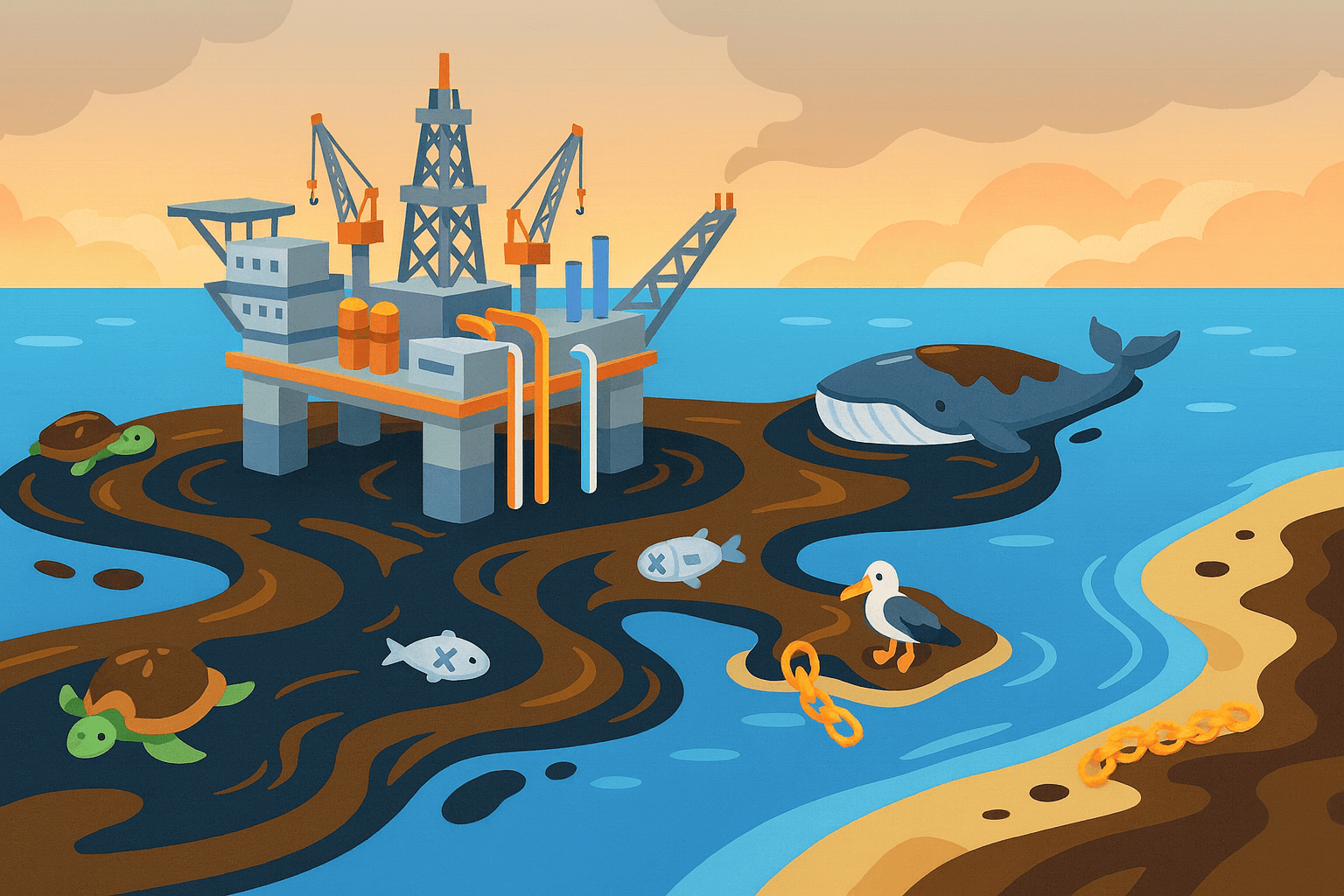
Extracting commodities often come with steep environmental costs. 

Mining can damage landscapes, pollute water, and generate toxic waste.  

Oil drilling risks spills and methane leaks. Agriculture can drive deforestation, soil erosion, and water depletion.  

These environmental impacts vary by region and regulation, but they’re rarely zero.  

Kenzo thinks:Our sustainability team evaluates suppliers not just on price, but on environmental footprint and compliance.”

Do you want to learn more?
Download InvestMentor to access the full lesson and explore interactive courses that build your financial knowledge and guide you toward smarter investing decisions.