Commodities as Strategic Assets

Power, politics, and supply chains 

Learn how governments and companies use key commodities to shape global influence and policy.

ChatGPT Image Dec 5, 2025, 01_02_35 PM.png

What Makes a Commodity Strategic? 

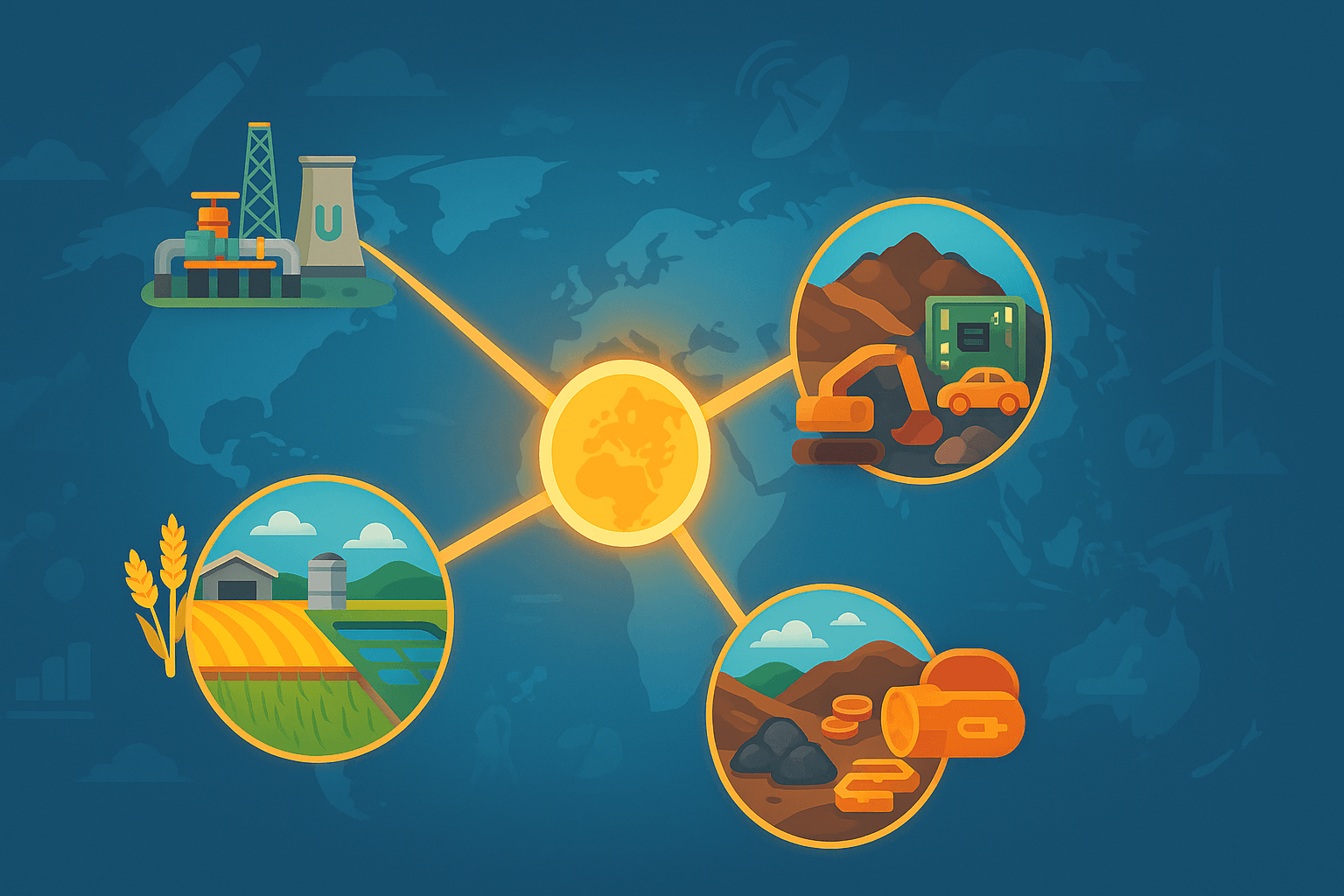
Strategic commodities are essential to national security, economic stability, or technological advantage. 

They include energy sources (oil, gas, uranium), food staples (wheat, rice), and technology-critical metals (rare earths, cobalt).  

Control over these gives countries leverage in trade negotiations, diplomatic standoffs, and defense.  

If a commodity powers missiles, data centers, and electric vehicles, it’s more than just a resource. It’s a strategic asset and a geopolitical tool.
Oil as a Geopolitical Weapon 

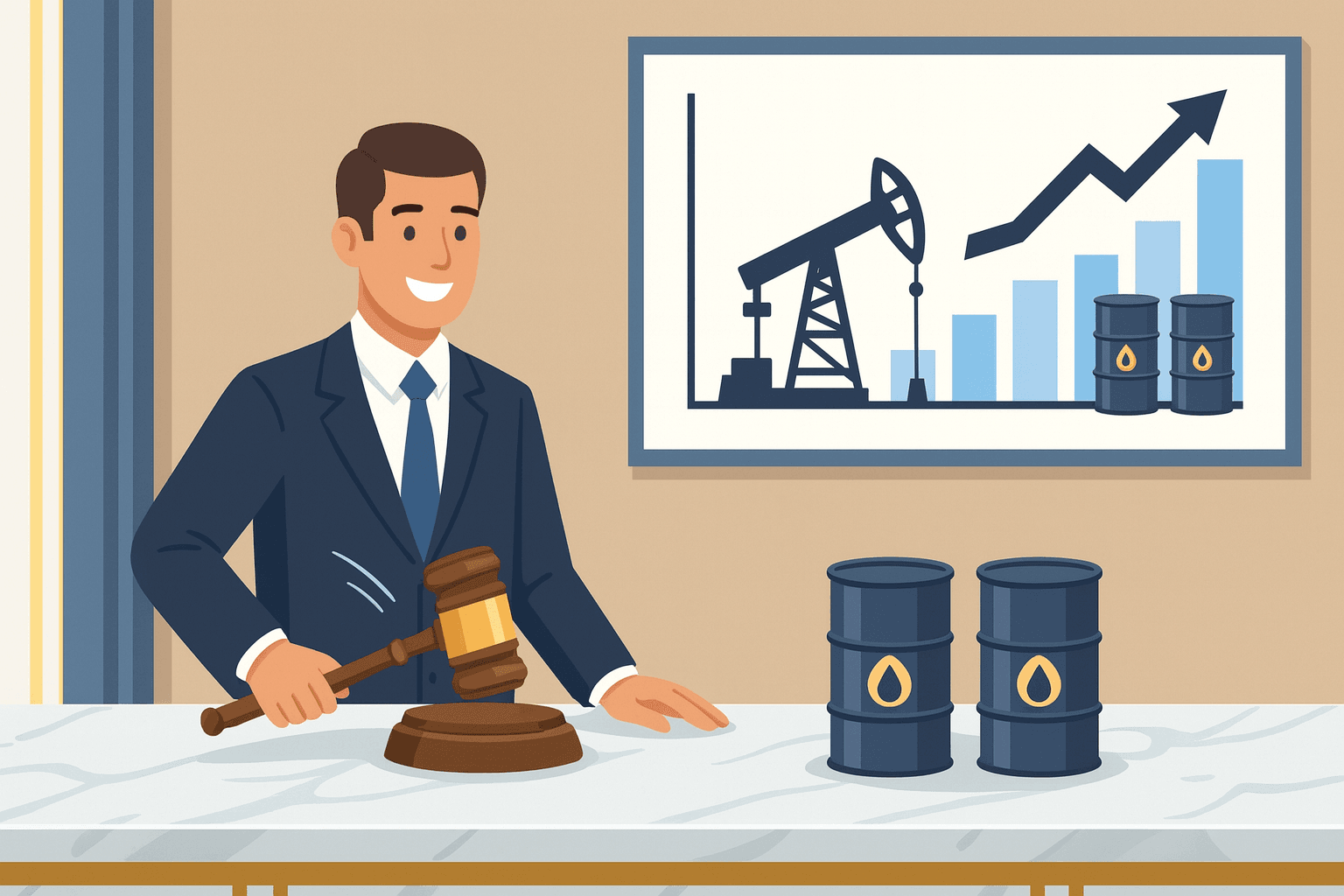
Countries that produce and export oil can influence global prices by adjusting output or restricting shipments.  

From the 1973 embargo to Gulf War disruptions, historical oil shocks have triggered inflation, recessions, and foreign policy shifts.  

Oil-exporting alliance OPEC+ influences inflation, trade balances, and diplomacy with each production cut or increase. 

But oil can also be turned against producers: Russia’s recent invasion of Ukraine led to sanctions on its oil exports, forcing buyers to reroute.

ChatGPT Image Dec 5, 2025, 01_33_48 PM.png

OPEC and OPEC+ Explained 

OPEC is a bloc of 12 oil-producing countries that coordinate output to influence prices. 

Founded in 1960, it includes heavyweights like Saudi Arabia, Iran, and Venezuela. 

OPEC+ expands this core group to include 11 allies — most notably Russia. 

Together, the coalition manages supply to steady markets during price swings and demand shocks.  

OPEC+ is considered a textbook example of a cartel: a group of producers setting prices together. 

But as an intergovernmental body, it operates openly and legally.

When Crops Become Crisis Triggers  

Wheat, corn, and rice aren’t just staples; they’re strategic assets.  

A drought, war, or export ban can send prices soaring and spark unrest. 

In 2022, wheat shortages tied to the war in Ukraine ignited protests across multiple nations — just like food price spikes helped fuel the Arab Spring a decade earlier, leading to multiple leaders deposed.  

To shield domestic supply, governments stockpile grains, subsidize farmers, and restrict exports. A famine can quickly unseat even a capable leader.

Rare Earths, Big Leverage   

Rare earth metals, with tricky names like neodymium and dysprosium, are the secret sauce of modern tech. 

They’re used in magnets for EV motors, wind turbines, and smartphones and lasers for medical devices and defense systems.  

Despite the name, they’re not scarce — just difficult to extract and refine. China dominates supply, so any export curb can jolt the market.   

Kenzo says: “Without rare earths, our devices lose power, precision, and performance. VoltMatter depends on them more than most people realize.”

Do you want to learn more?
Download InvestMentor to access the full lesson and explore interactive courses that build your financial knowledge and guide you toward smarter investing decisions.