Option Trading Strategies I.

Basic option moves.

Explore call/put strategies, spreads, straddles, and strangles.

Introduction to Options Trading Strategies 

Options trading provides powerful tools to profit from different market conditions—rising, falling, or sideways. 

In this lesson, we explore essential strategies like long and short calls, long and short puts, and covered positions. 

Through real-life scenarios featuring Delilah and guided questions, you'll learn how these strategies can help you speculate, hedge risk, or generate income. 

We begin with the long call strategy, a simple but powerful bullish trade.
Long Call Strategy 

A long call strategy involves purchasing a call option, giving the right to buy an underlying asset at a specified strike price before expiration. 

This bullish approach profits when the asset's price rises above the strike price plus the premium paid. 

The potential profit is unlimited as the asset's price rises. 

The maximum loss is limited to the premium paid for the option. 

This strategy is favorable when anticipating a significant price increase and seeking to leverage gains while limiting risk.

18-01.png

Delilah Implements a Long Call  

Delilah anticipates that Horizon Corp.'s stock, currently trading at $40 per share, will rise due to a promising new product launch. 

She buys a call option with a $42 strike price, expiring in two months, for a $200 premium (covering 100 shares). 

If the stock price rises to $50 before expiration, her profit is ($50 - $42) × 100 shares - $200 premium = $600. If the stock doesn't exceed $42, the option expires worthless, and her maximum loss is limited to the $200 premium paid.

 Short Call Strategy 

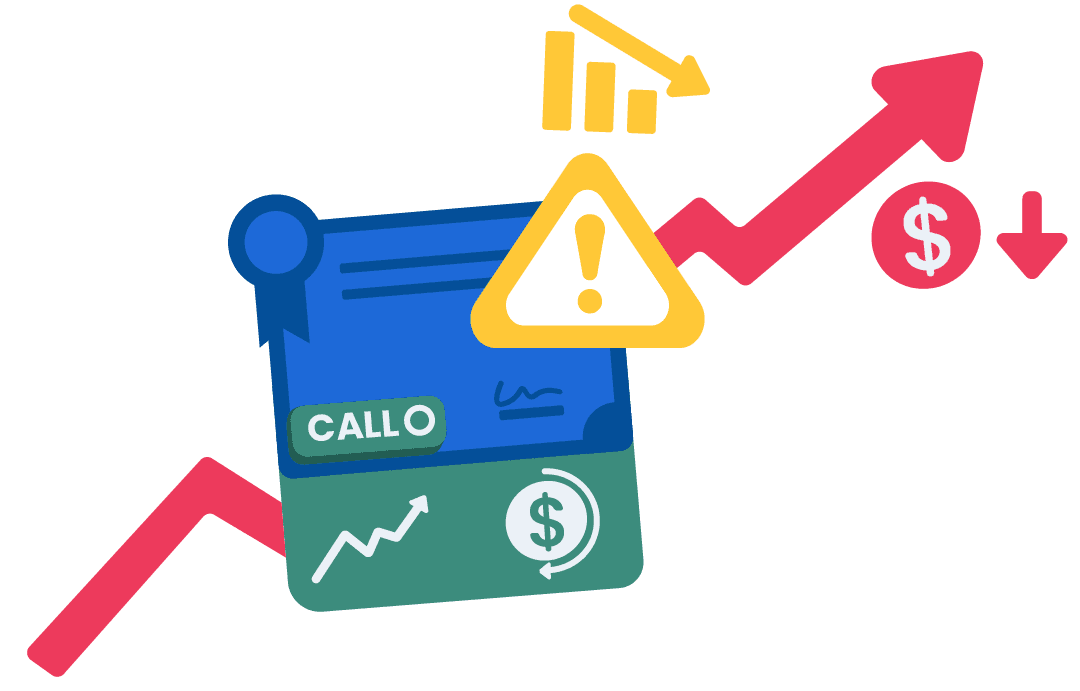
A short call strategy involves selling a call option, obligating the seller to sell the underlying asset at the strike price if exercised. 

The seller collects the premium upfront, which is the maximum profit. 

The strategy profits if the asset's price stays below the strike price, causing the option to expire worthless. 

The risk is unlimited, as the seller must provide the asset if the price rises significantly. This strategy suits investors bearish on the asset or expecting stable prices.

18-02.png

Long Put Strategy 

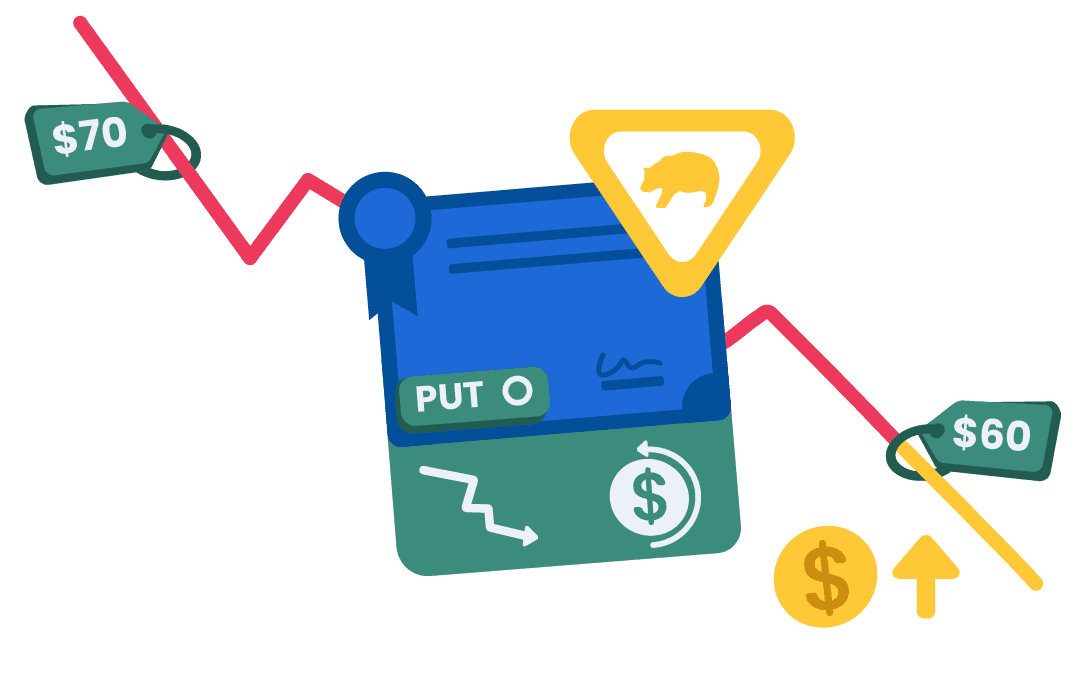
A long put strategy involves buying a put option, granting the right to sell the underlying asset at the strike price before expiration. 

This bearish strategy profits when the asset's price falls below the strike price minus the premium paid. 

The potential profit increases as the asset's price decreases, limited to the strike price minus the premium paid (since the asset can't fall below zero). 

The maximum loss is the premium paid. This strategy is for hedging existing positions or profiting from anticipated price declines.

Do you want to learn more?
Download InvestMentor to access the full lesson and explore interactive courses that build your financial knowledge and guide you toward smarter investing decisions.