
Economic Theories

Ideas shaping the economy.

Discover classical and neoclassical models shaping growth.

14-01.png

Theories of Economic Growth 

With the players in place, let’s explore how economies grow over time. 

Economic growth theories explain how economies expand over time. 

Classical theories emphasize capital accumulation and labor as key drivers, while neoclassical models introduce technological innovation as a critical factor. 

Endogenous growth theory highlights the role of human capital, innovation, and knowledge in sustaining growth. 

These theories provide frameworks for understanding the factors that drive long-term economic prosperity.
14-02.png

Classical Growth Theory 

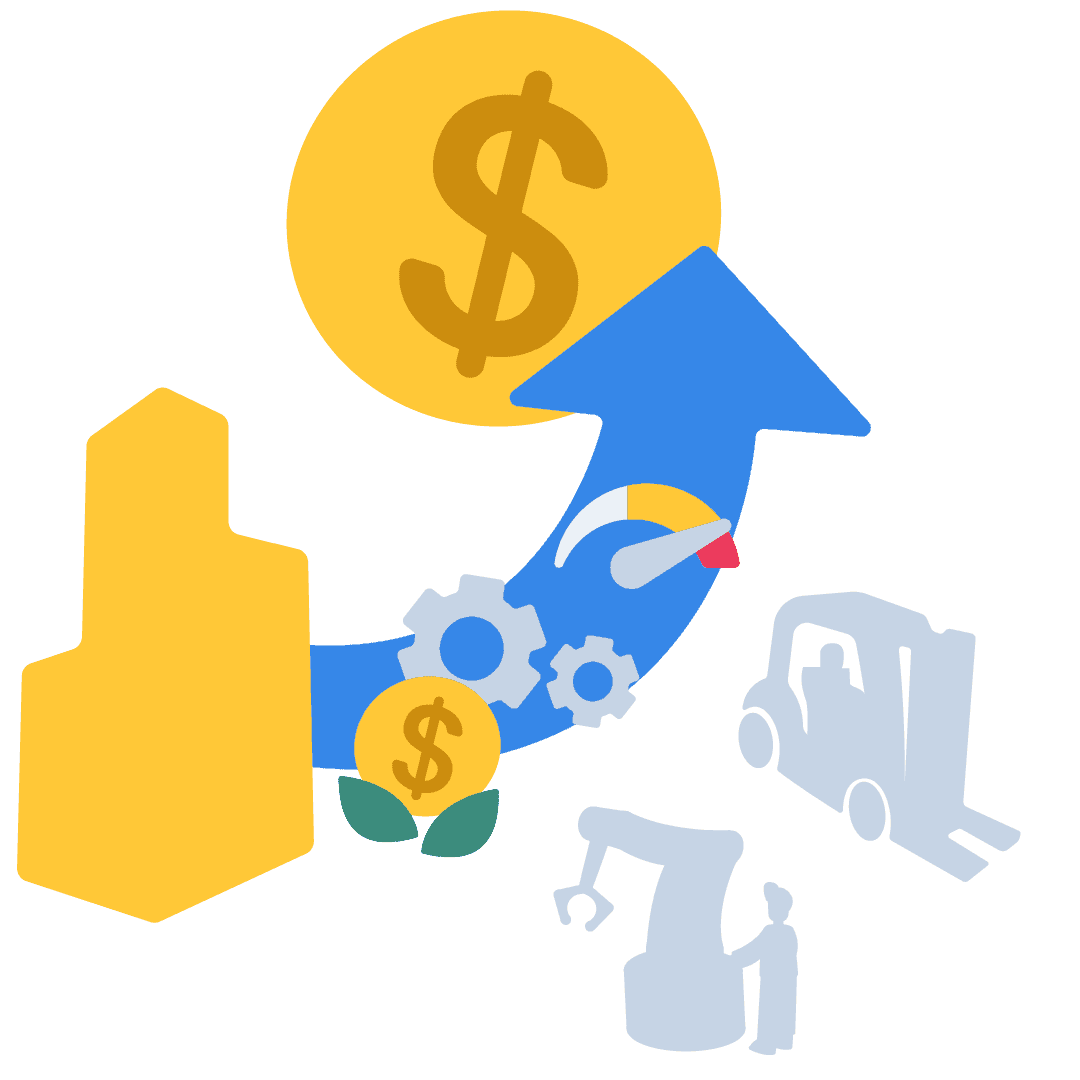
Classical growth theory, rooted in the ideas of economists like Adam Smith and David Ricardo, emphasizes capital accumulation and labor as the primary drivers of economic growth. 

It suggests that as businesses invest in capital, such as machinery, and other productive assets, productivity increases, leading to economic expansion. 

It also warns that without technological advancements, growth may slow as the economy reaches a point where additional capital and labor contribute less to output, leading to diminishing returns.

14-03.png

Neoclassical Growth Theory 

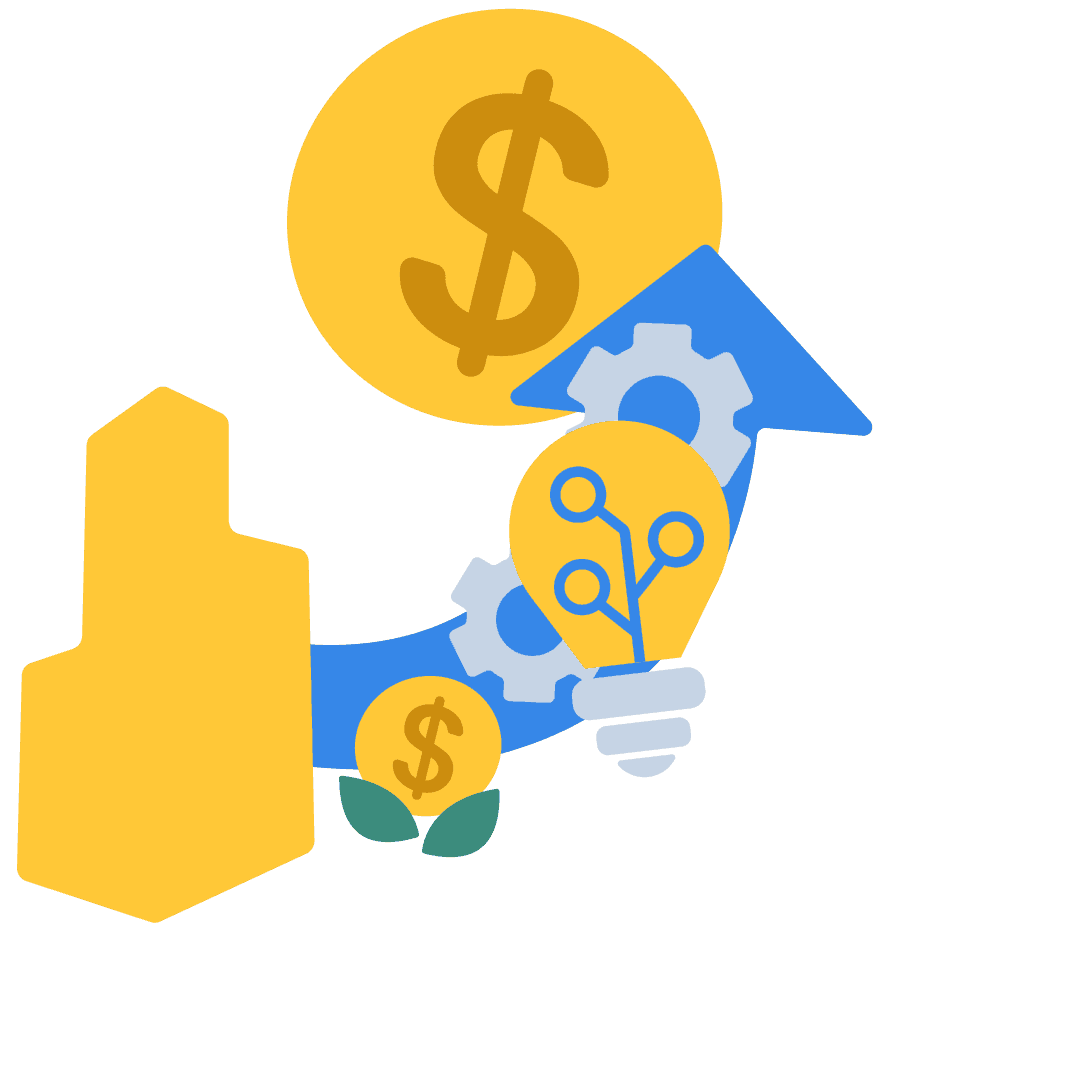
Neoclassical growth theory, developed by economists like Robert Solow, builds on classical ideas by introducing technological innovation as a key factor in sustaining long-term growth. 

This theory posits that while capital and labor are important, it’s technological progress that drives continuous growth by improving productivity. 

Unlike classical theory, neoclassical growth suggests that economies can achieve steady growth rates through innovation, which offsets diminishing returns on capital and labor.

14-04.png

Endogenous Growth Theory 

Endogenous growth theory, advanced by economists like Paul Romer, emphasizes internal factors—especially human capital, innovation, and knowledge—as key growth drivers. 

It argues that investments in education, research, and development generate innovations that sustain economic growth. 

Unlike earlier models, this theory suggests that fostering education and innovation can lead to continuous growth, with knowledge playing a central role in long-term prosperity.

14-05.png

Macronia’s Economic Expansion 

Macronia began by investing heavily in factories and infrastructure, aligning with classical growth theory. 

As growth plateaued, the country adopted neoclassical strategies, funding technology parks and modernizing industries to improve efficiency. 

Recently, Macronia has shifted to endogenous growth, launching nationwide education reforms and research grants to foster innovation. 

These targeted efforts have led to sustained GDP growth, higher living standards, and a thriving tech sector.

Do you want to learn more?
Download InvestMentor to access the full lesson and explore interactive courses that build your financial knowledge and guide you toward smarter investing decisions.