
Companies
New Boss
Apple Bets on an Engineer to Lead It to the AI Era
4/21/20264/23/2026
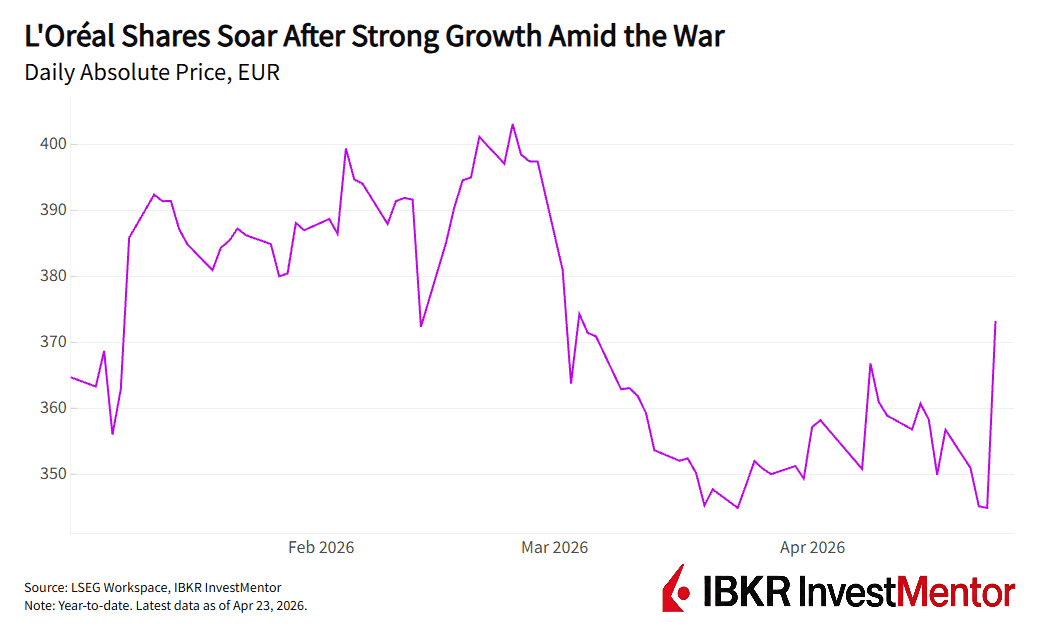
L’Oréal opened 2026 with €12.2 billion in quarterly sales, up nearly 7% from a year earlier. This was the fastest the French cosmetic giant has grown in two years.
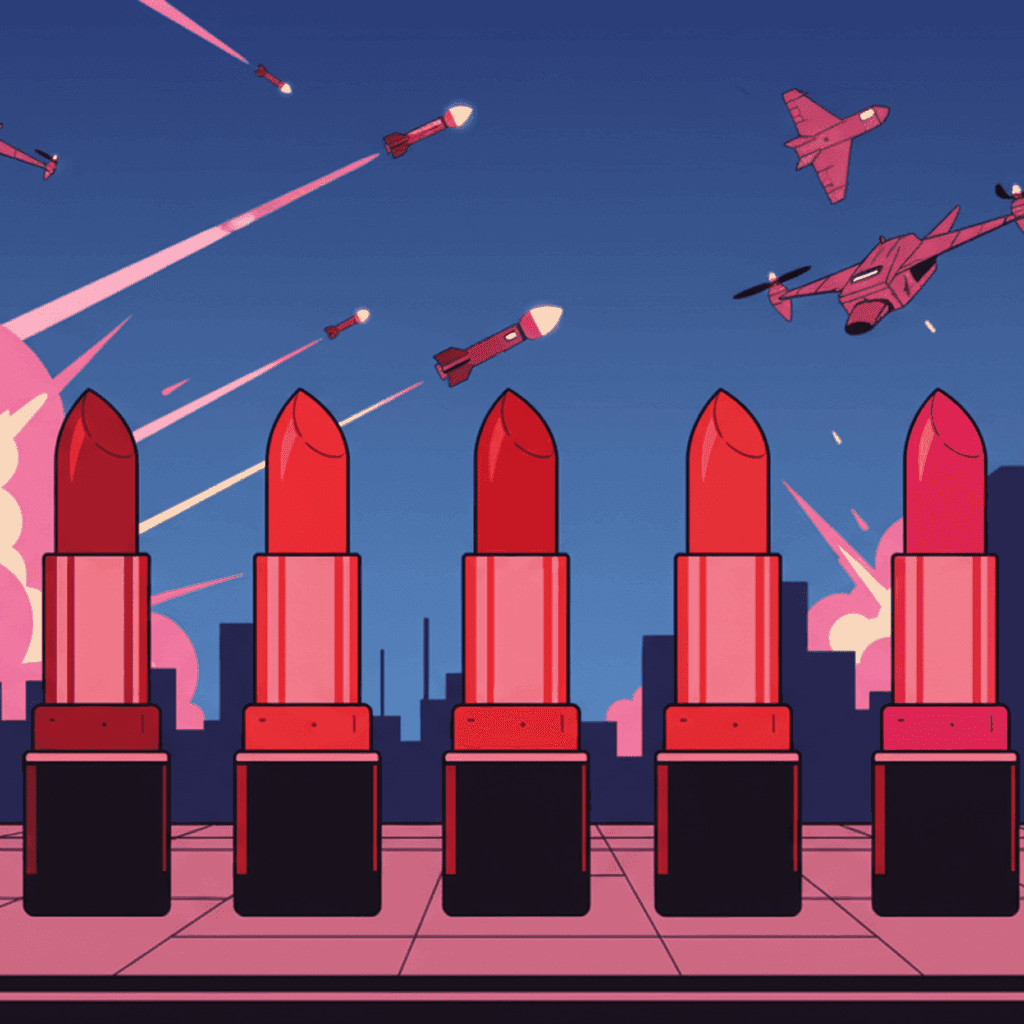
CEO Nicolas Hieronimus said Europe showed the clearest signs of the “lipstick effect”: people delaying big purchases in a crisis but still rewarding themselves with small treats of makeup, perfume, and haircare.
L'Oréal is the world’s largest cosmetics company, with over 40 brands under its umbrella, including Maybelline, Garnier, Lancôme, and Vichy.
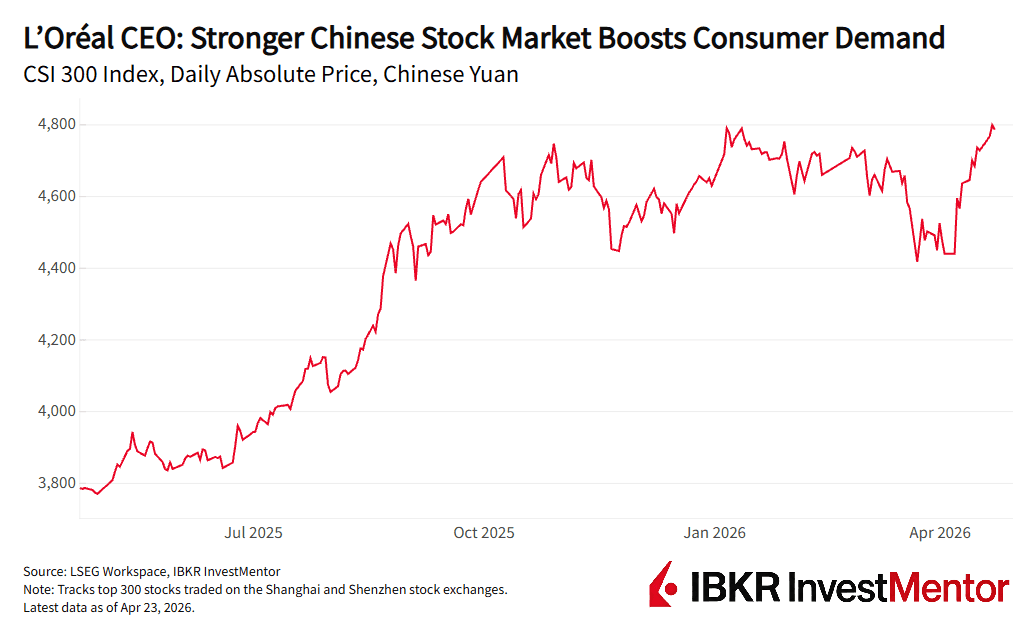
North Asia, led by China, grew about 5% year-on-year as beauty spending picked up. L’Oréal attributed this to stronger Chinese stock market performance.
China has a uniquely retail-focused stock market, with as much as 90% of daily volumes coming from individual investors. This compares to 20-25% in major Western marketplaces like the New York Stock Exchange.
Because of this, the stock market performance is strongly linked to how flush Chinese consumers feel. L’Oréal’s luxury fragrances and premium haircare performed well, while e‑commerce delivered double‑digit gains.
Two headwinds are hurting margins: rising oil‑linked logistics costs and the US tariffs. L’Oréal expects tariffs to dent first‑half profitability, though pricing and volume gains should offset much of the impact.
The US Supreme Court recently struck down President Donald Trump’s global tariffs, but the White House quickly replaced them with new 10% tariffs. These are due to be in place for 150 days while Trump’s administration explores a permanent, legally solid solution.
L’Oréal’s travel retail softened briefly due to the war, but the Middle East accounts for under 3% of revenue, keeping the disruption contained.
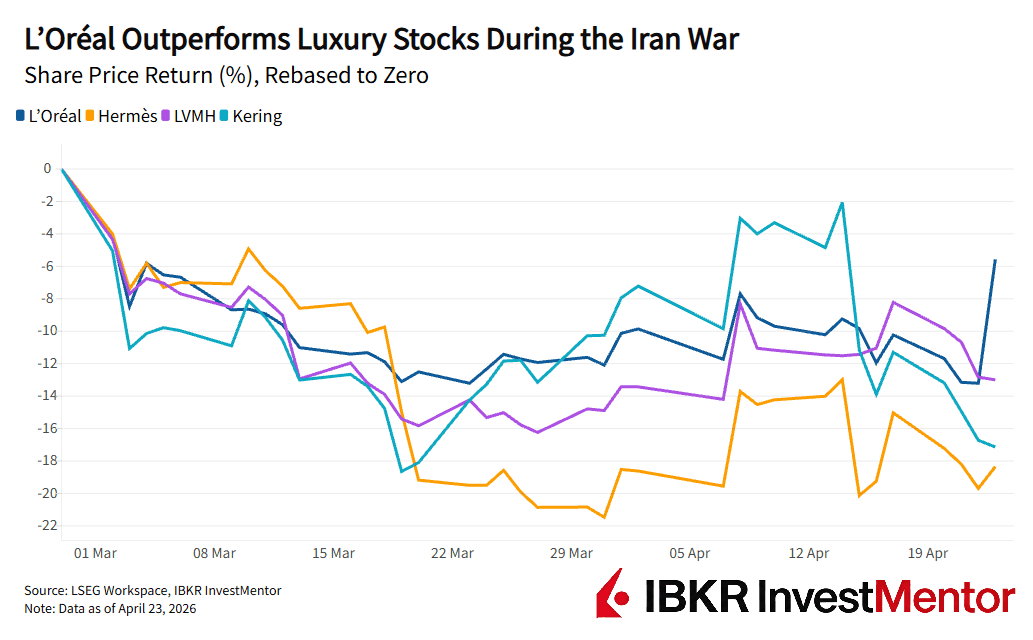
Luxury stocks like LVMH, Kering, and Hermès have struggled, with sales hit hard by the war and a sharp drop in Middle Eastern shopping. L’Oréal shows a different pattern: self‑care still sells in a crisis.
Why beauty still sells:
Affordable indulgence behaves differently from true luxury.
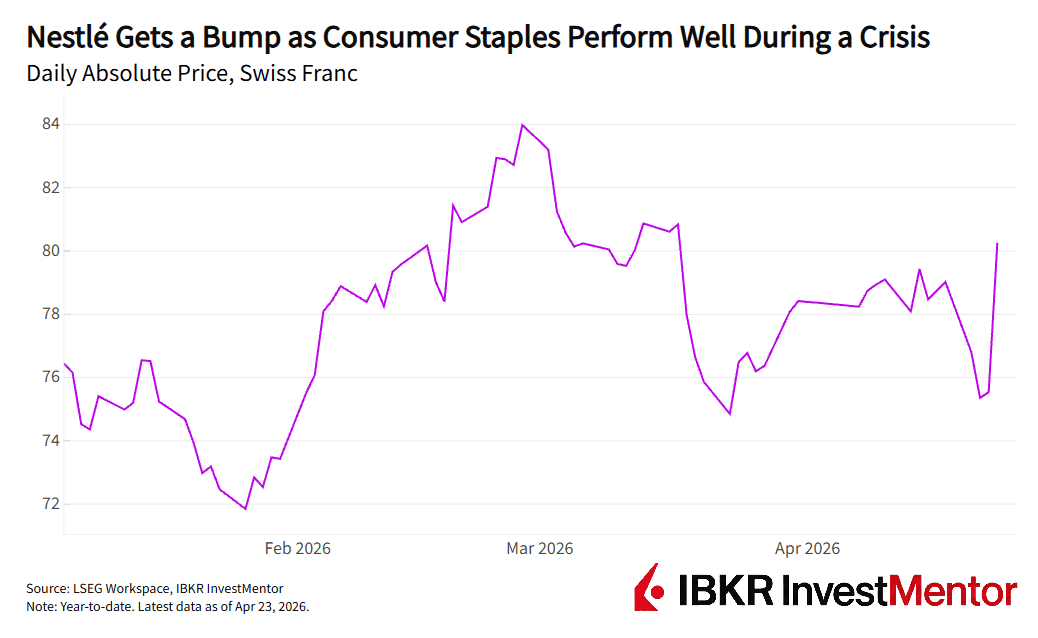
Nestlé — L’Oréal’s second‑largest shareholder with a 20% stake — also beat expectations, despite pressures from freight and energy costs due to the war. Food and snack sales were bolstered by more people eating at home, especially in Asia, where the oil shock has been the most severe.
Nestlé’s a classic defensive stock, selling consumer staples which continue to perform strongly even during a crisis.
L’Oréal’s biggest shareholder, the Bettencourt family, invited Nestlé to step in as a major investor back in the 1970s when the cosmetics giant risked being taken over by the French state. It has held onto a big slice ever since then, calling it a “financial investment.”
Want to explore more? Download our free app to unlock expert news updates and interactive lessons about the financial world.