
Companies
Challenger Banks
Why Fintechs Suddenly Want to Be "Real" Banks
12/17/202512/18/2025
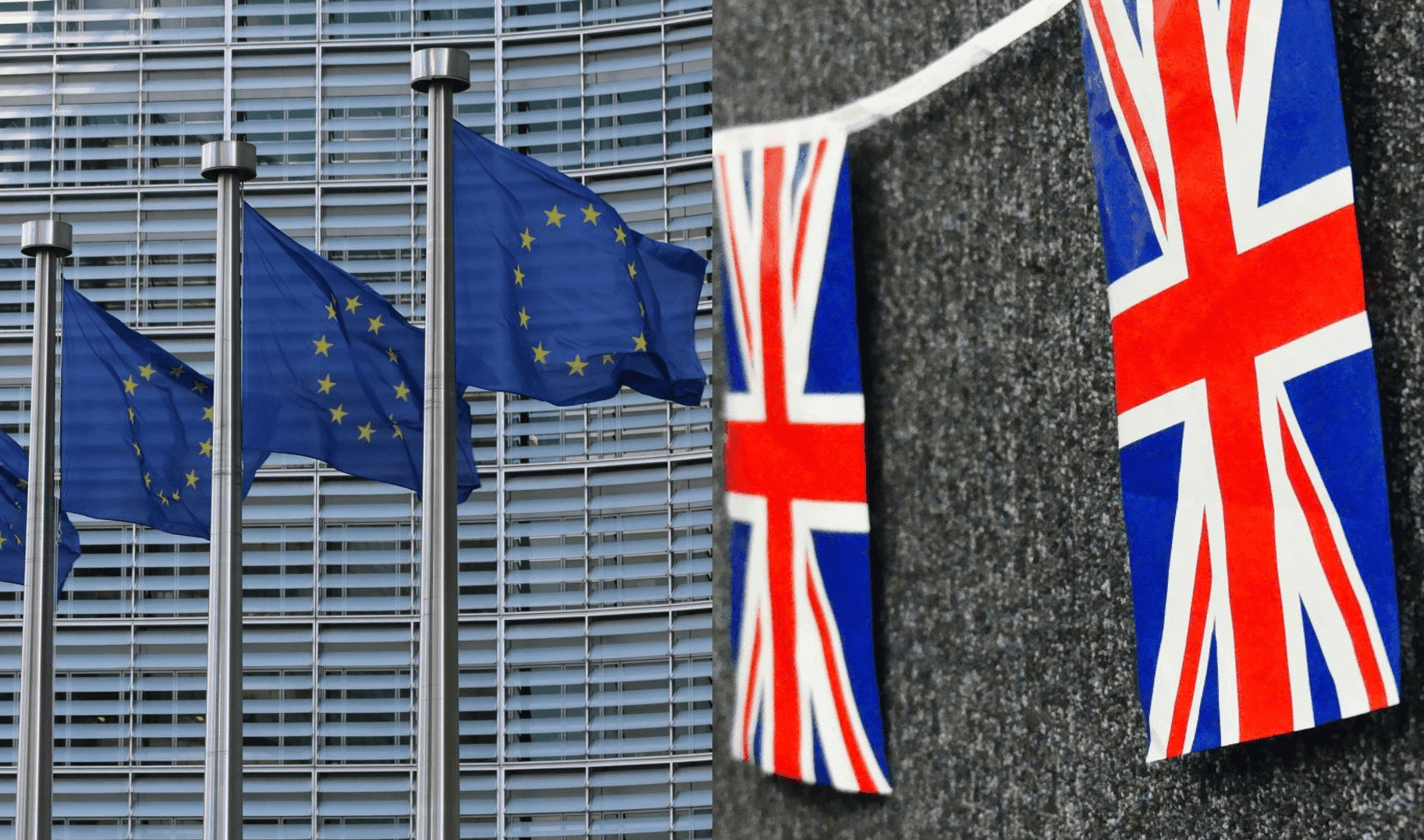
Super-Thursday of central banking delivered a split outcome, with the Bank of England cutting rates and the European Central Bank staying put.
Both decisions were in line with economists’ predictions, but the BoE delivered yet another knife-edge thriller, with only 5 out of 9 Monetary Policy Committee members voting for the cut. The previous meeting was similarly divided, except that time the Bank decided to keep the rates unchanged.
The contrast between the two central banks reflects two different economic backdrops rather than opposing policy views.
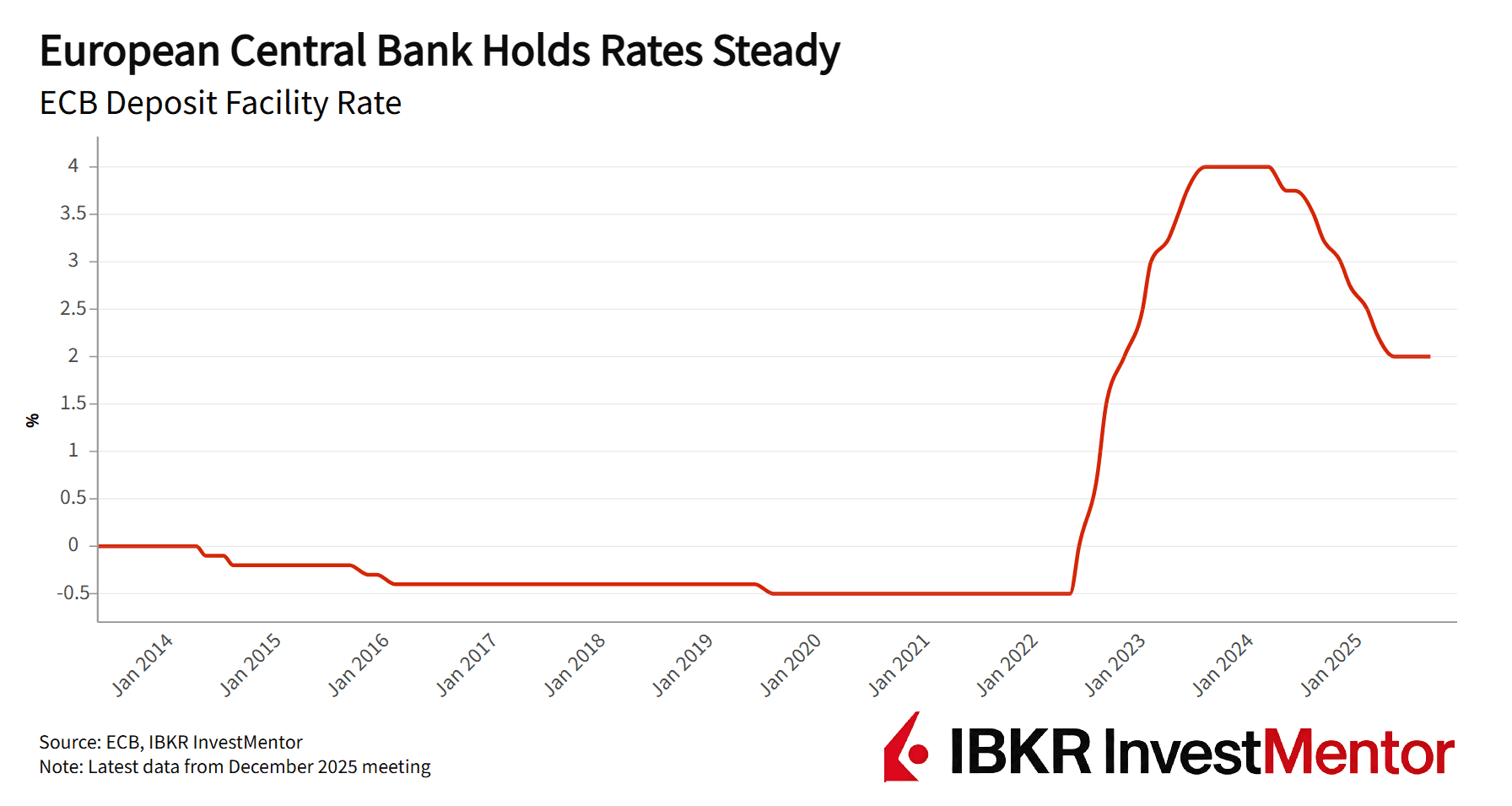
The ECB kept its main policy rate unchanged at 2%, revising both growth outlook and inflation forecast upwards. Most economists now expect the rates to stay on pause for the next two years, assuming no big shocks in the eurozone.
Recent data have beaten expectations, with European exporters adapting to US tariffs better than anticipated and domestic spending offsetting manufacturing weakness. Inflation is hovering around ECB's target of 2%, and is expected to stay there.
When asked about the bank’s next steps, ECB chief Christine Lagarde said there’s so much uncertainty that she can’t offer forward guidance — a key for investors to determine the direction of the monetary policy.
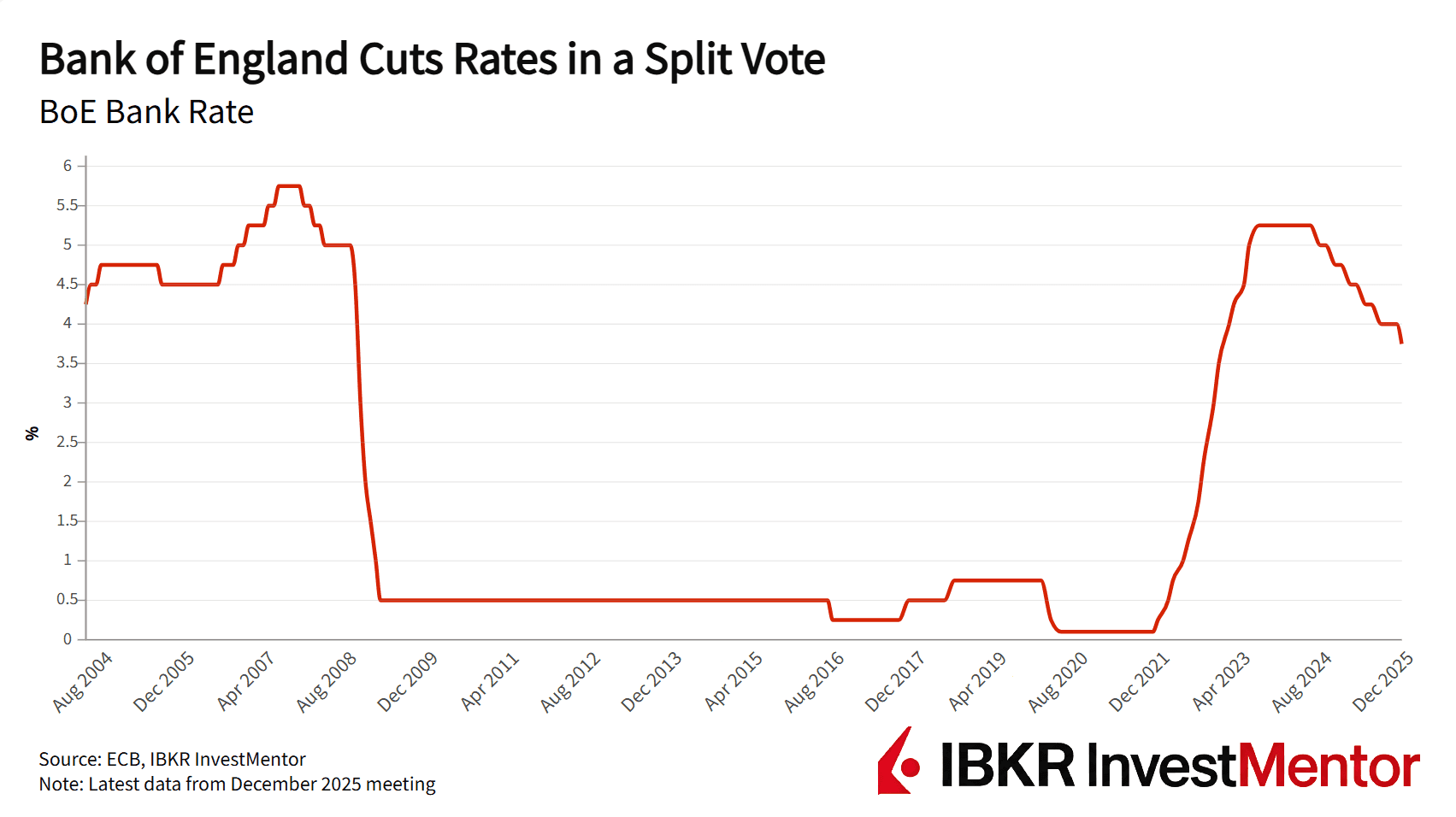
The Bank of England slashed rates to 3.75% from 4%, with Governor Andrew Bailey casting the deciding vote.
The latest consumer price data was published just one day before the BoE meeting. UK inflation fell sharply to 3.2% in November, below the 3.5% economists expected and under the BoE’s own 3.4% projection. Economists were widely expecting a cut already before the data, but the figures reinforced the case for easing.
But even at 3.2%, the inflation is still running higher than the 2% BoE target, with British consumers feeling price pressures at grocery stores.
The UK economy has failed to perk up, despite the current government pledging to focus on growth. Gross-domestic product (GDP) contracted by 0.1% in October, month-on-month. The unemployment rate is inching up, and wage growth has slowed.
The latest figures are still suppressed by Jaguar Land Rover’s cyber attack, which, by some estimates, cost the UK around £2 billion. It is considered the most financially damaging cyber attack in UK history, with JLR car production curtailed for months and over 5,000 British businesses impacted.
The UK has struggled to get back on track since the financial crisis of 2008, with persistently low growth lagging the US and the EU.
Central banks influence financial conditions primarily through interest rates. When central banks raise or lower the rates, or even hint at moving them, the effects spread quickly through the economy.
Inflation is steered by rates: higher rates cool demand, lower rates risk overheating the economy and pushing prices up.
Want to explore more? Download our free app to unlock expert news updates and interactive lessons about the financial world.