Tech
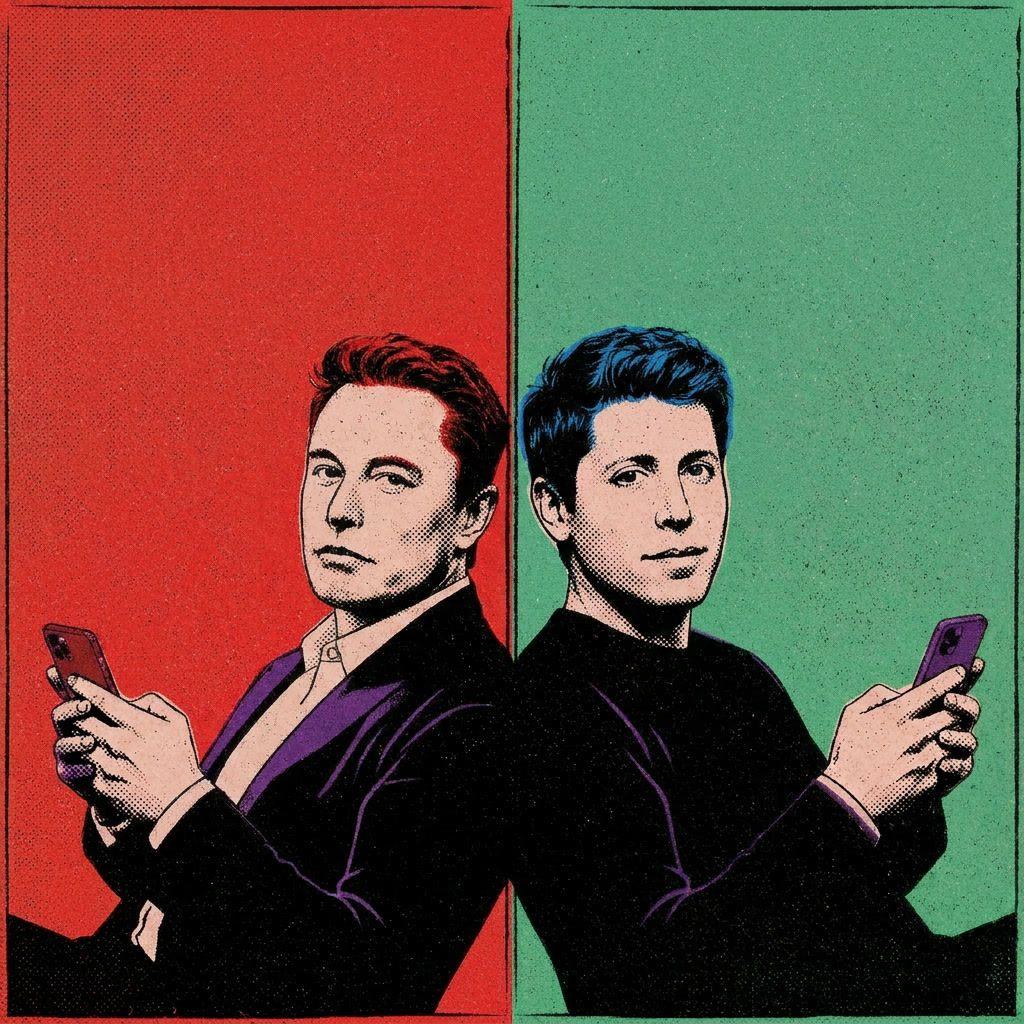
Musk vs. Altman
The Ultimate Tech-Bro Court Battle Ends With a Whimper
5/19/20265/20/2026
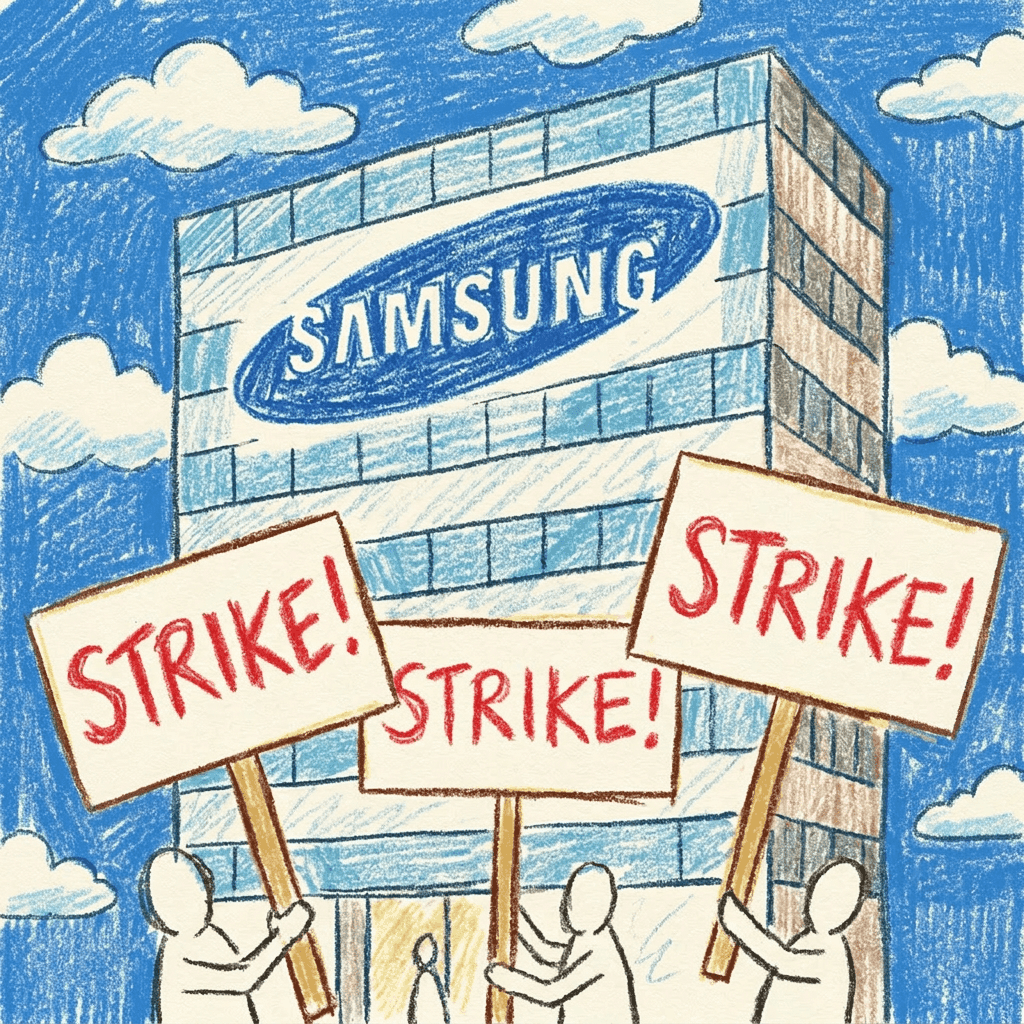
The 18-day Samsung strike has been suspended just hours before the deadline. 48,000 workers of the South Korean tech giant had threatened to walk out.
Union leaders reached a tentative pay deal with management after Labor Minister Kim Young-hoon stepped in to mediate. The agreement will now go to a member vote, taking place on May 22-27.
Why does this matter? Samsung is the world’s largest memory chip manufacturer. The strike could have slowed production of chips that are a hot commodity, with shortages hitting companies around the world.
The key breakthrough: both sides finally agreed on how bonuses will be shared between the immensely profitable memory chip division and weaker units.
Samsung’s profits have surged as the AI boom has driven up demand for memory chips. Employees say the company has not been sharing enough of the profits with workers, and bonuses have been distributed unevenly.
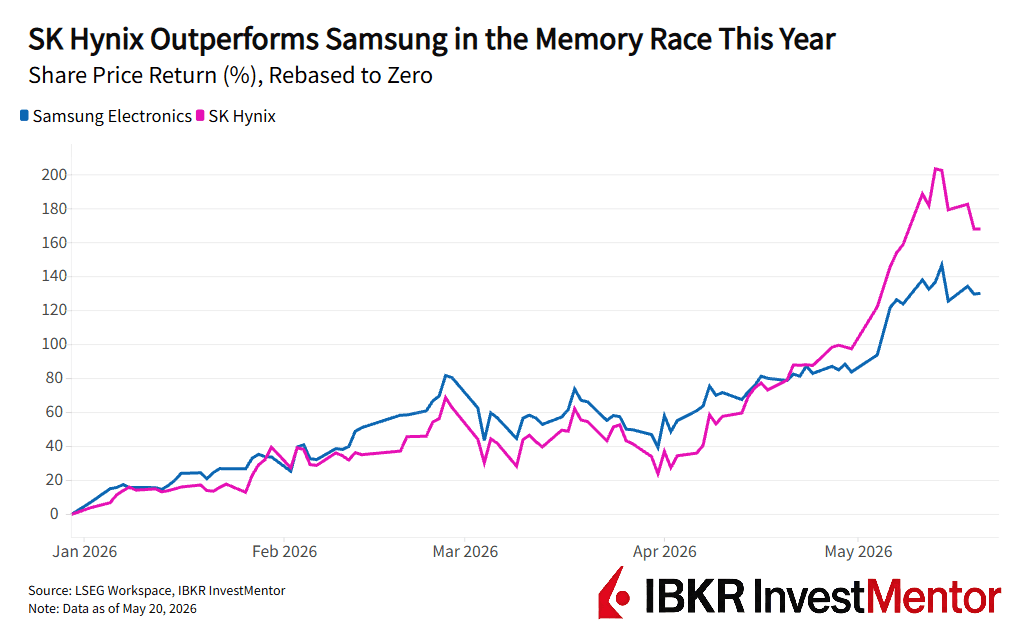
The frustration runs deeper because rival SK Hynix pays richer bonuses, pulling talent away. The tentative deal suggests compromise but details are yet to be published.
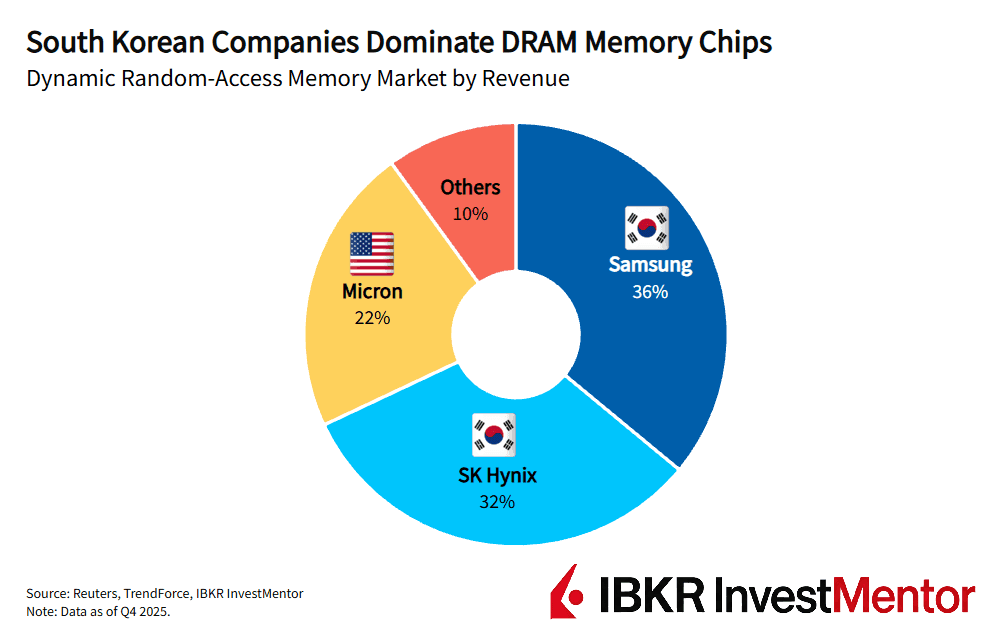
The strike’s timing couldn’t have been worse. Memory chips — especially those powering AI systems — are already scarce, with inventories covering just weeks.
A full walkout risked:
Samsung’s not out of the woods yet. It has feuded with the union since its very first strike in 2024, and the relationship is tense.
To South Korea, Samsung is far more than just a company.
That scale turns corporate disputes into national concerns, explaining why the government wanted to intervene. Officials warned a prolonged strike could shave 0.5 percentage points off economic growth. When a company gets this big, labor disputes are macroeconomic events, too.
A strike is a form of industrial action in which workers collectively stop working to pressure an employer to meet their demands — usually related to pay, conditions, or benefits.
South Korea is among the most strike-prone developed economies, with large walkouts common in key sectors from autos to chips.
As the nation's economic powerhouse, Samsung was able to resist unionization for a long time. But in the aftermath of a damaging corruption scandal, the company finally gave in in 2020.
Want to explore more? Download our free app to unlock expert news updates and interactive lessons about the financial world.