Companies
Mining Mega-Deal
How a Mega‑Merger Would Reshape Mining Industry
1/9/20261/9/2026
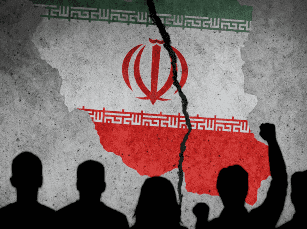
Iran’s economy is buckling under a severe currency collapse. The rial has fallen to record lows, losing half of its value against US dollar last year. This has pushed up the cost of food, medicine, and rent.
Traders and shopkeepers were among the first to take to the streets in December as inflation accelerated. Protests have since spread across major cities and universities, the central bank chief has resigned, flights are getting cancelled, and the country is now in a near‑total internet blackout.
Phones, payments, and even satellite‑based services like Starlink are being disrupted, slowing commerce and cutting off digital tools people rely on to navigate daily life.
Years of sanctions have left Iran with limited access to foreign currency and global finance. Oil exports remain restricted, starving the central bank of dollars needed to stabilize the rial.
Iran has very little pricing power, with China buying about 90% of Iranian oil exports at heavy discounts. Most countries won’t dare to touch oil sanctioned by the US.
Importers face higher costs and unpredictable delays, while businesses struggle with unstable exchange rates and limited credit. In this environment, even small shocks cascade into broader economic instability, feeding the inflation spiral now driving unrest.
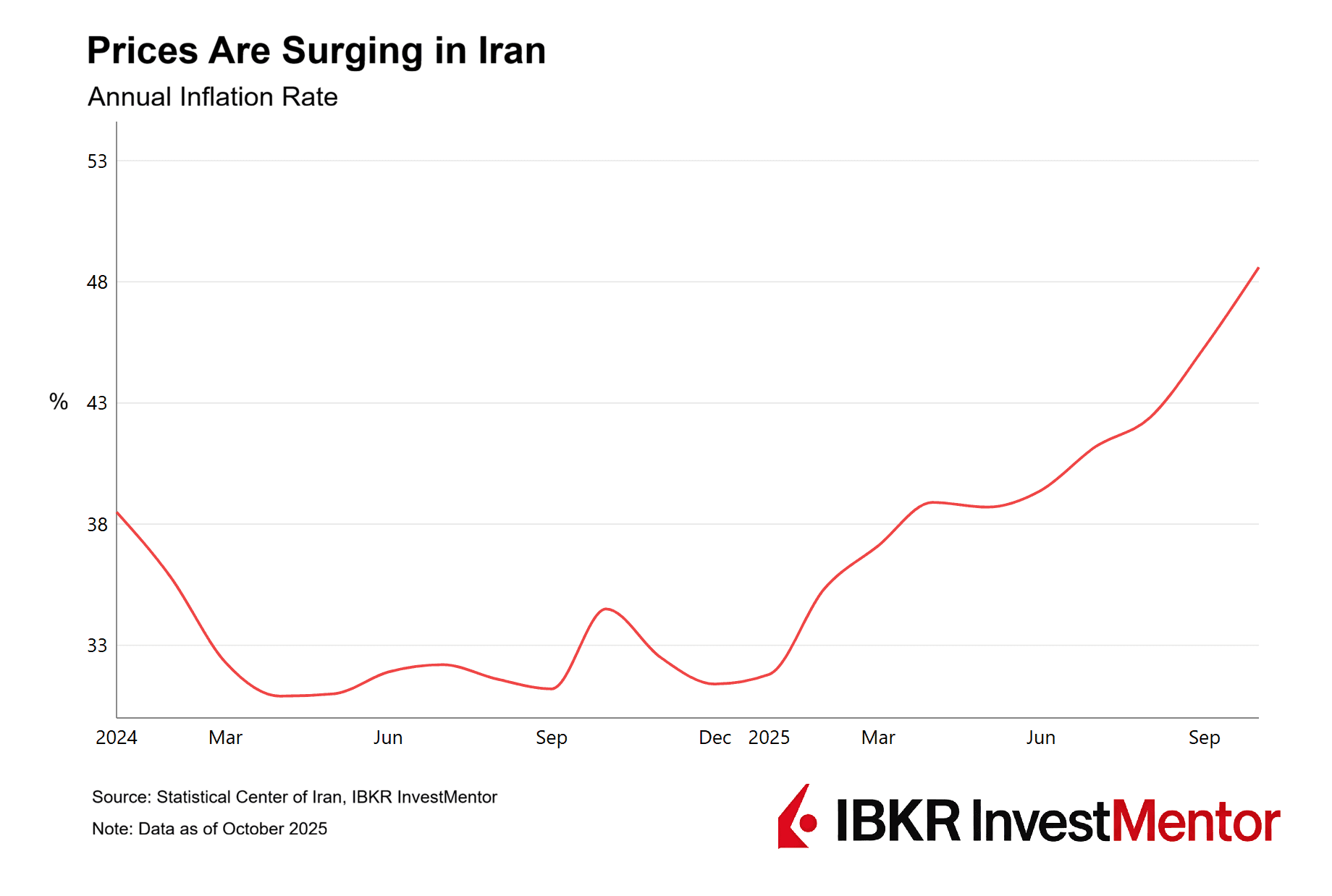
For households, the crisis is felt in everyday essentials. A weakening currency makes imports more expensive, pushing inflation into punishing territory. Officially, it’s running above 40% annually, but for some essential products — especially food — the rate is much higher.
When prices rise this quickly, wages lag, savings evaporate, and people turn to dollars, gold, real estate, and cryptocurrencies to protect what they have left.
But with the country largely offline, even crypto has become difficult to access or move. Economic frustration is widespread, with bazaars in major cities closing in protest.
A sudden collapse of Iran’s government would send shockwaves through global energy markets.
Key implications:
In the long term, a new regime could re-establish international diplomatic and trade relations and bring more oil and other products to the global markets.
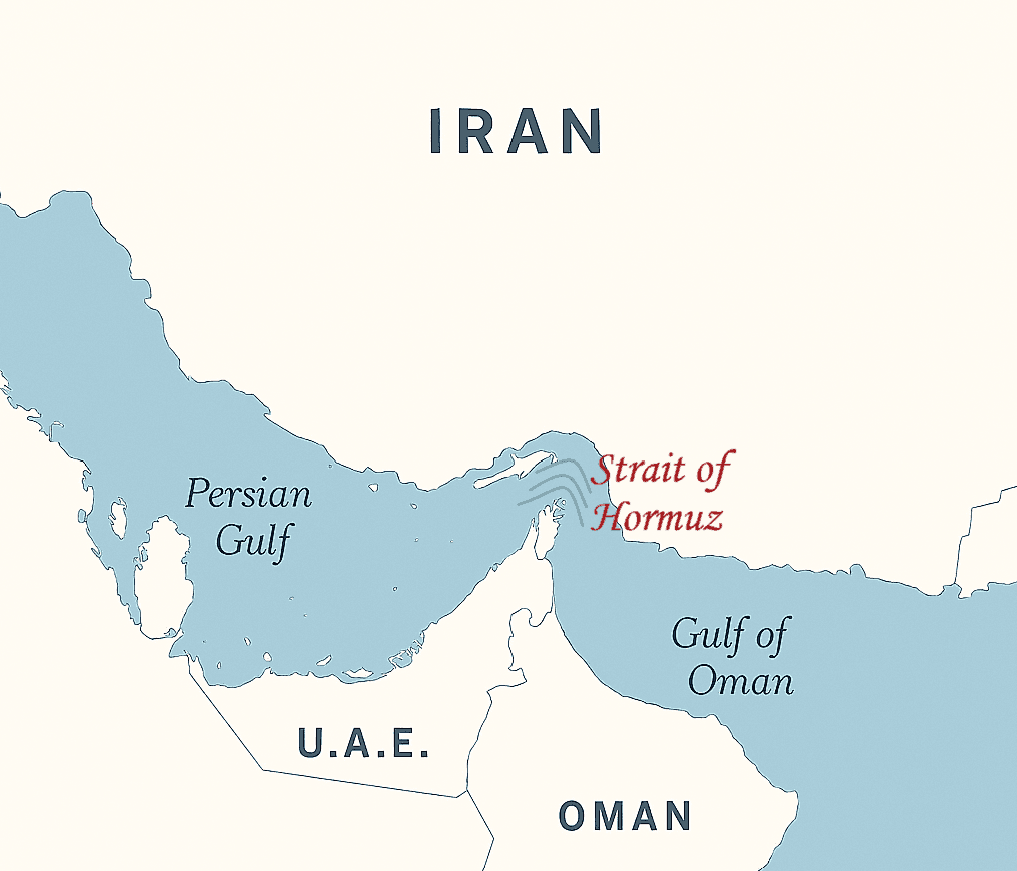
The Strait of Hormuz is one of the world’s most critical energy corridors. About a fifth of the global oil supply and a major share of LNG exports pass through this narrow waterway between Iran and Oman.
Any instability in Iran raises concerns because Tehran sits on one side of the Strait and has a significant military presence in the area. Even the threat of disruption can push up oil prices, raise shipping insurance costs, and tighten global energy markets.
For countries like China, heavily reliant on the Gulf crude, the strait’s stability is essential to keeping supply secure and prices predictable.
Want to explore more? Download our free app to unlock expert news updates and interactive lessons about the financial world.