Companies
Meme M&A
A Meme Stock’s Chase for an E‑Commerce Giant
5/7/20265/8/2026
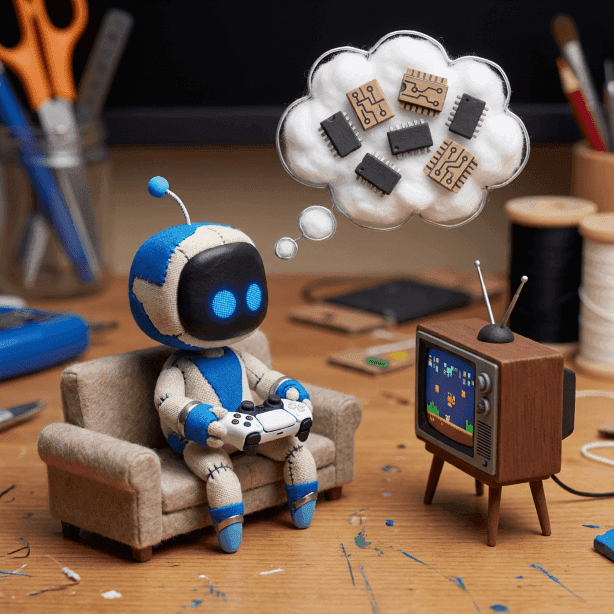
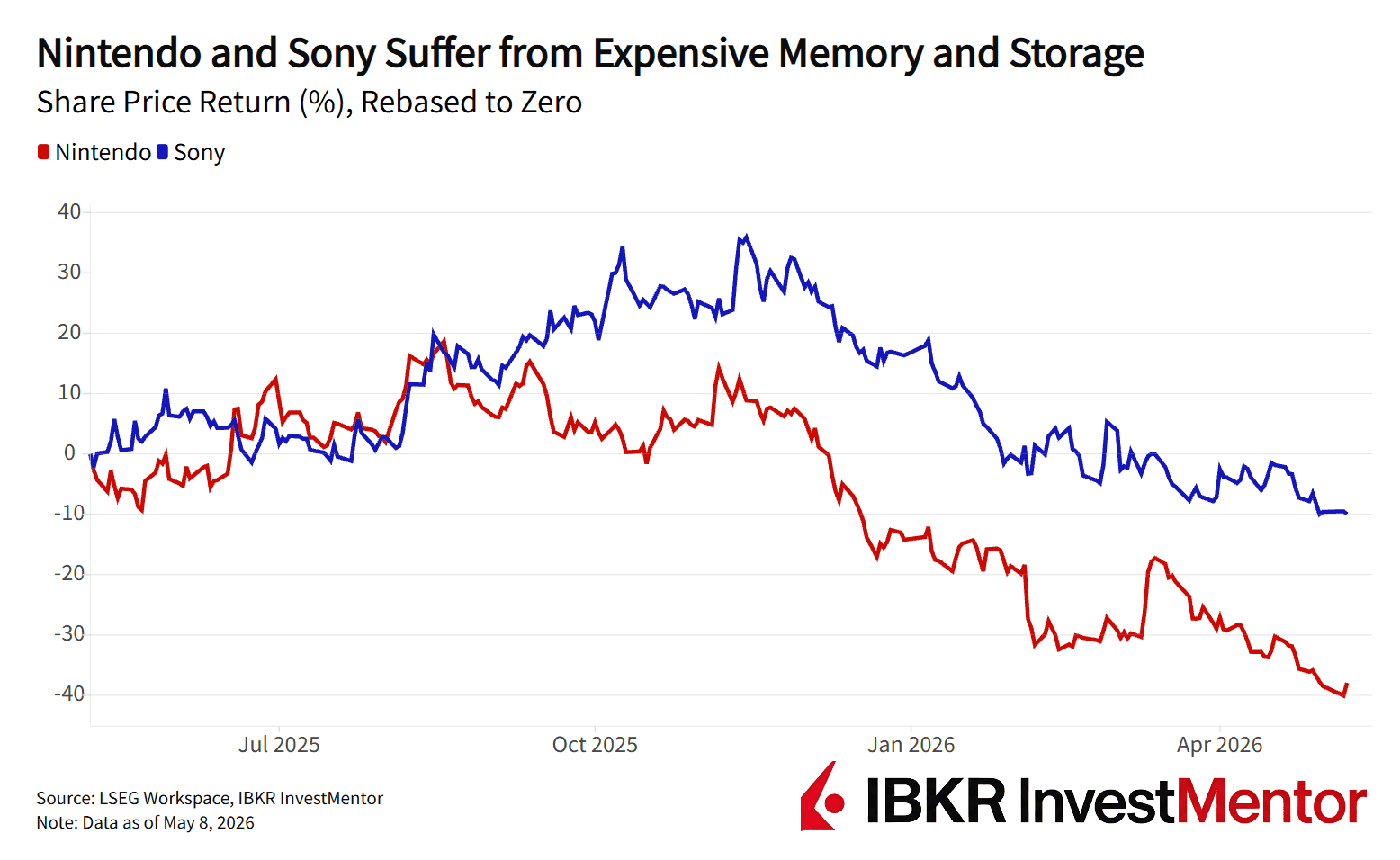
Sony and Nintendo earnings on Friday drilled down the same message: memory shortage is a real headache for the video game industry.
Sony expects annual gaming sales to fall 6% and said its outlook depends on securing memory at “reasonable prices.” It sold 1.5 million PS5 gaming consoles in the March quarter, down 46% from a year earlier, after raising prices by $100. The memory and storage crunch was the driver behind the price hike.
Nintendo, meanwhile, hiked Switch 2 prices by $50 and cut its sales forecast. Switch 2, which was just released last June, is now expected to sell 16.5 million units in this fiscal year — a drop of 17% from the previous year.
When companies say “memory,” they usually mean two things:
AI data centers need special, premium memory (especially HBM, a high-speed type of short-term memory used with AI GPUs). Memory makers are shifting factory capacity toward that high-margin AI memory, and everyone else gets squeezed, often paying more for less.
This crunch isn’t a “gamers only” problem. All smart devices need memory: phones, PCs, servers, routers — even cars.
The result: consumer electronics makers compete against cloud giants like Microsoft and Google, who have deeper pockets and stronger bargaining power.
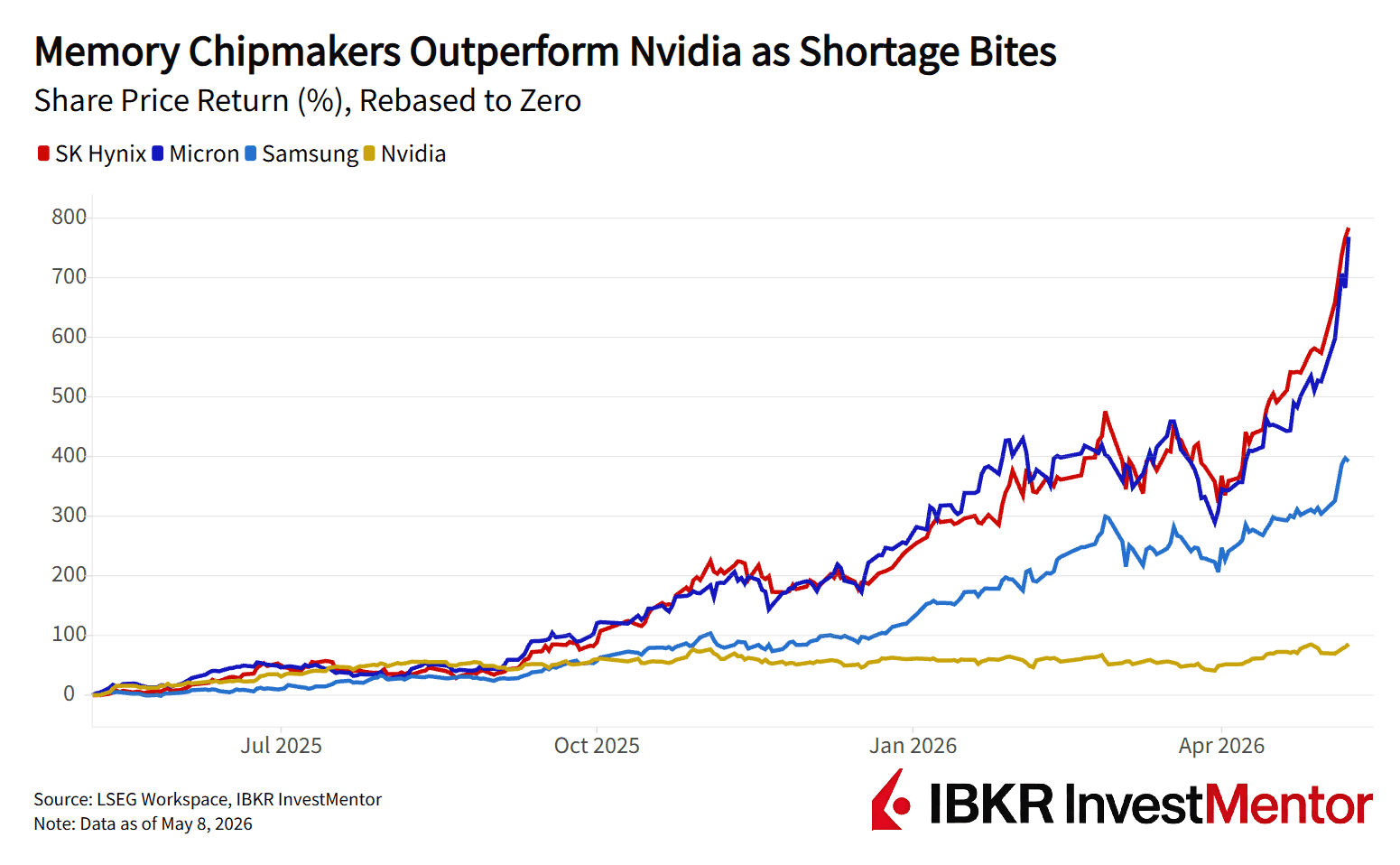
The memory chip industry is infamous for brutal cycles: prices spike, companies overbuild, then prices crash. Some analysts now argue the AI era could smooth the boom-bust pattern.
Why? Big AI buyers are pushing multi-year contracts (three to five years, not quarter-to-quarter haggling) to lock in supply. Chipmakers say customer behavior is shifting toward security of supply over price.
The scramble is so intense that some huge customers have reportedly even floated funding entire production lines or expensive tools for Korean chipmaker SK Hynix.
Want to explore more? Download our free app to unlock expert news updates and interactive lessons about the financial world.