
Commodities
Metals Meltdown
Why Precious Metals Suddenly Crashed
2/2/20262/3/2026
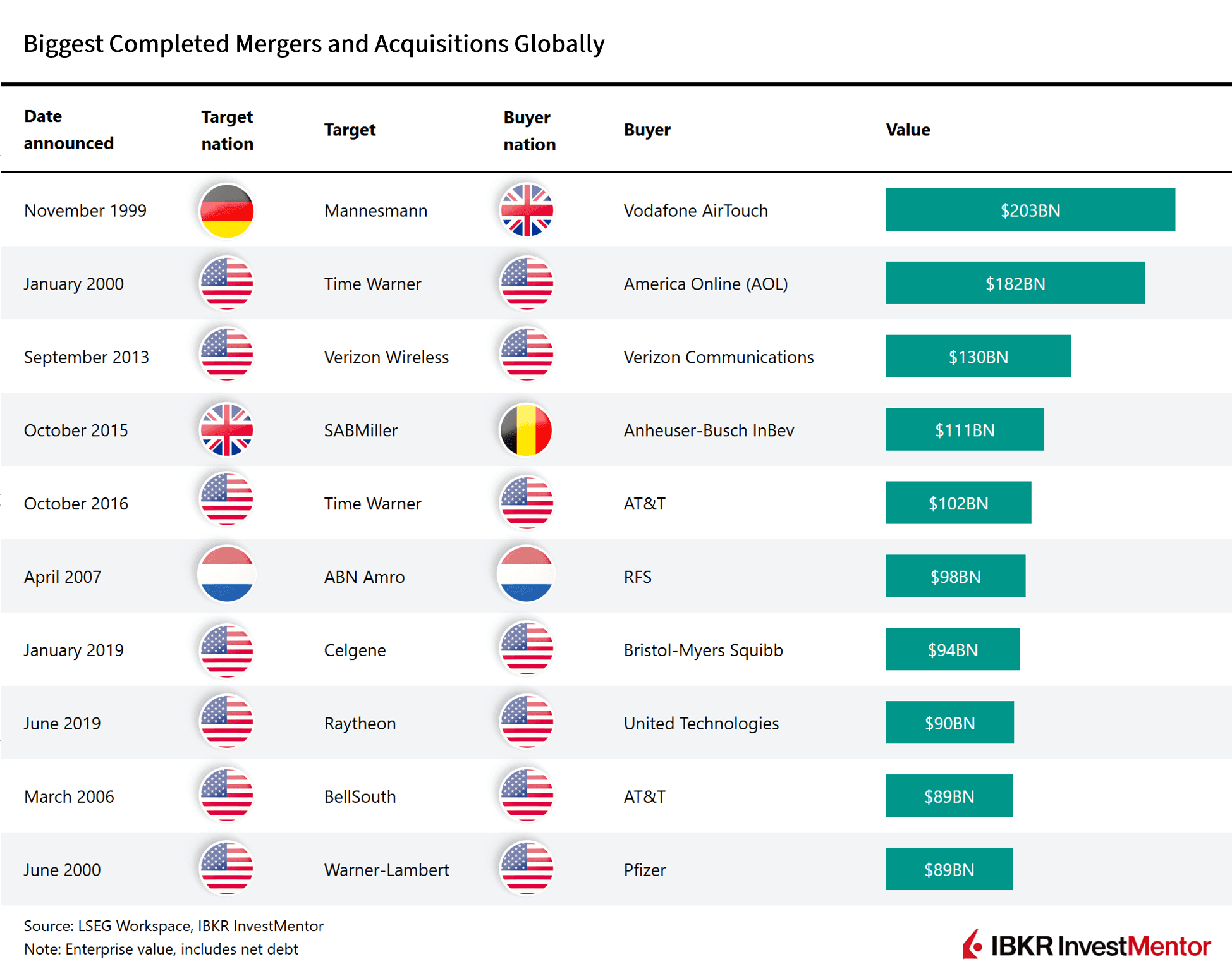
Elon Musk’s SpaceX has bought out his artificial intelligence startup xAI, forming what is likely the most valuable private company on earth.
Key figures:
While the sums are remarkable on paper, the deal is about the world’s richest person rearranging his business portfolio. Other investors are involved, but Musk has voting control over both firms.
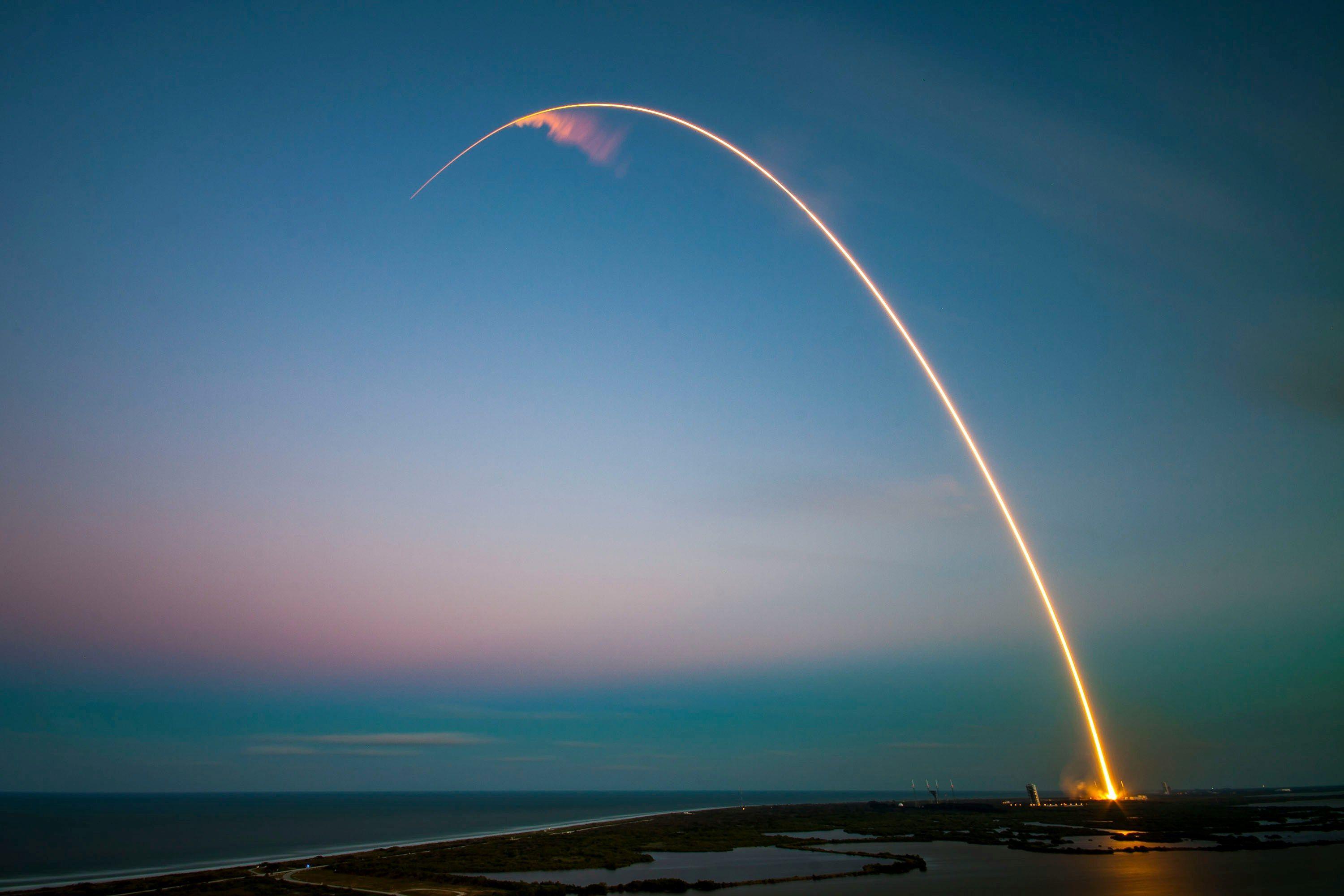
SpaceX makes and launches rockets and spacecraft, and operates the Starlink internet satellite constellation — a group of satellites working together.
xAI is known for developing AI chatbot Grok, but it also recently bought Musk’s social networking site X (former Twitter), which generates vast amounts of data that can be used for AI training.
Musk’s idea is to combine xAI’s AI expertise with space technology, first launching AI satellites from Earth and ultimately creating data centers in space.
One of the most ambitious ideas tied to the merger is the concept of space‑based data centers. Today’s AI models require enormous amounts of energy. Earth‑based data centers strain power grids and require a lot of water for cooling.
It’s a bold idea, pursued also by rivals such as Starcloud and Jeff Bezos’s Blue Origin. Musk claims that “within 2 to 3 years, the lowest-cost way to generate AI compute will be in space.”
The merged company is considering going public in 2026, potentially targeting a valuation as high as $1.5 trillion. SpaceX is reportedly looking to raise around $50 billion in the initial public offering, which would make it the largest IPO on record. The current record is held by oil giant Saudi Aramco, which raised $25.6 billion in 2019.
Why an IPO?
OpenAI and Anthropic also pop up as potential 2026 IPO candidates.
Elon Musk oversees an empire of companies that occasionally share ideas, talent, or technology. After the SpaceX-xAI merger, the landscape looks like this:
Tesla is currently the only company in Musk’s portfolio that is listed on a stock exchange.
Want to explore more? Download our free app to unlock expert news updates and interactive lessons about the financial world.