
Media
Fed on Hold🎥
10/29/2026
10/29/2026
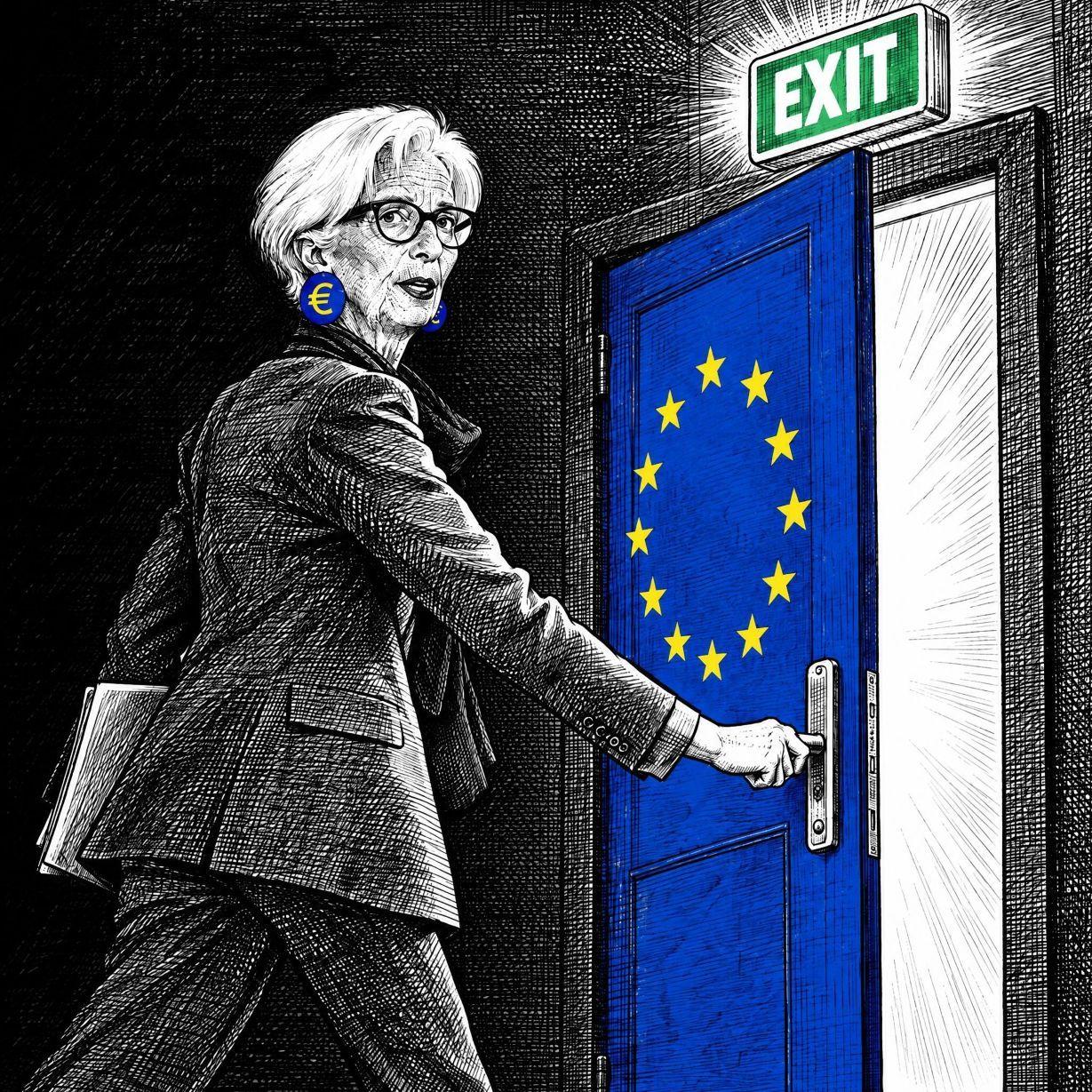
European Central Bank President Christine Lagarde announced her resignation on Thursday, kickstarting a race for what is arguably the most influential job in all of Europe. The news of her departure overshadowed the ECB decision to keep rates at 2.5%.
Her term was due to end in October 2027 but instead, she’s now leaving in February. Lagarde’s announcement ends months of speculation about her exit. Earlier this year Lagarde rushed to deny rumors and assure that “baseline” is that she would stay for the full term.
The ECB oversees monetary policy of the entire Eurozone, consisting of 21 countries of varying needs. The central bank was in a key role protecting the economies during the Eurozone crisis of the 2010s.
Lagarde is due to leave two months before April 2027 French presidential elections. Her term would have officially ended in October 2027.
Her departure opens a rare vacancy at the heart of Europe’s monetary system. If EU-critical leaders were to take power in France or Germany, the appointment process for her successor could become gridlocked. Far-right leader Marine Le Pen is leading the French presidential polls and German populist party AfD has done well in state elections.
Central bank independence has been fiercely debated in the US, and Lagarde’s move is likely to spark that debate across the pond too. The Bank of France governor quit earlier this year, allowing outgoing centrist president, Emmanuel Macron, to pick the successor.
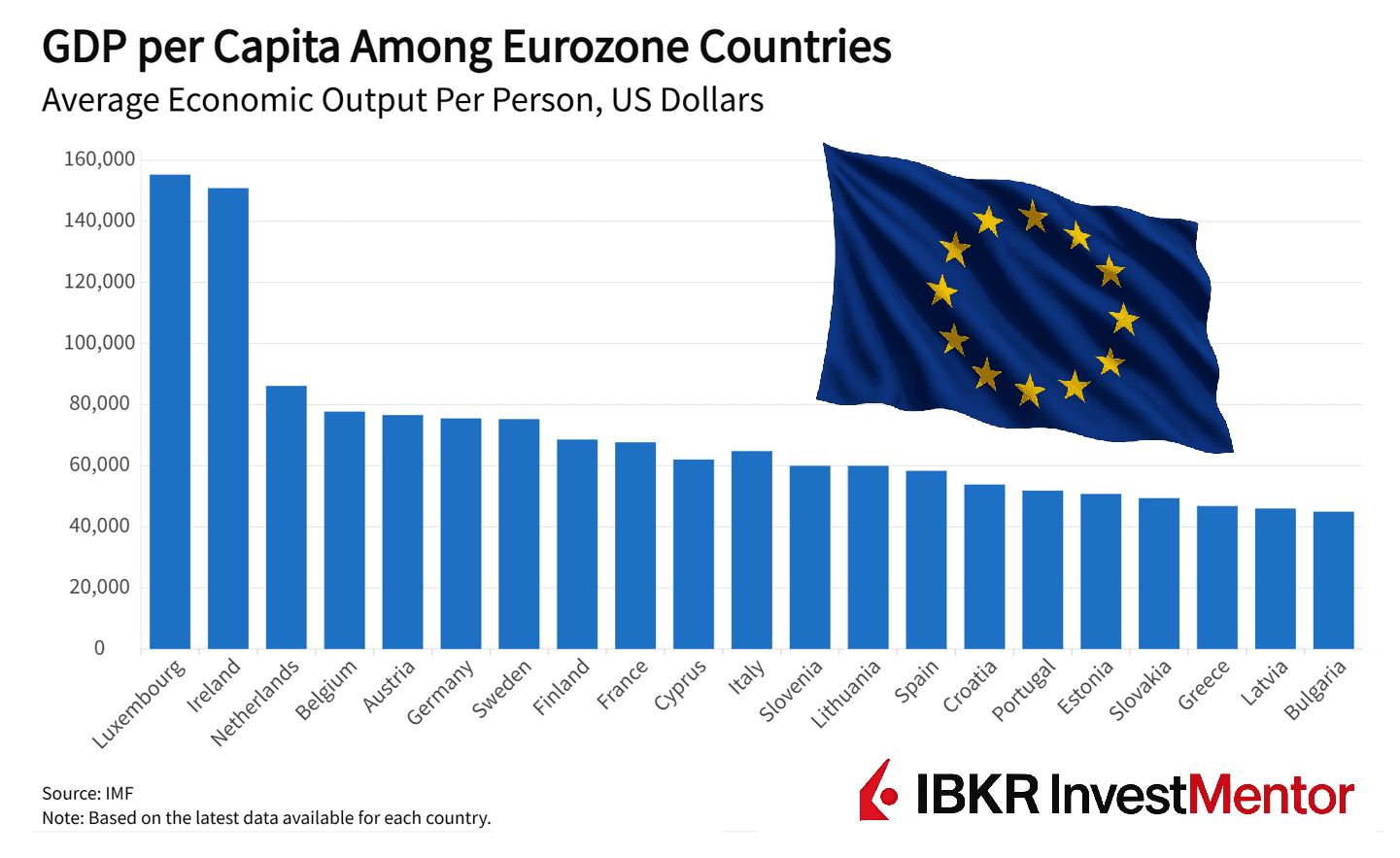
Choosing an ECB president is a multi‑step political negotiation.
Key facts:
Because 21 eurozone governments must align, the recruitment process blends economics, diplomacy, and regional balance.
Lagarde was a surprise choice, so it’s not certain who wins the race once the countries come together to trade political favors. The early shortlist is taking shape, and none are radical disruptors.
Isabel Schnabel, a German ECB board member, was a potential candidate, too. But she’s due to start as the financial counsellor at the International Monetary Fund (IMF) in January. Another heavy hitter, ECB chief economist Philip Lane, is leaving in May. Lagarde herself is likely to become the chair of the World Economic Forum.
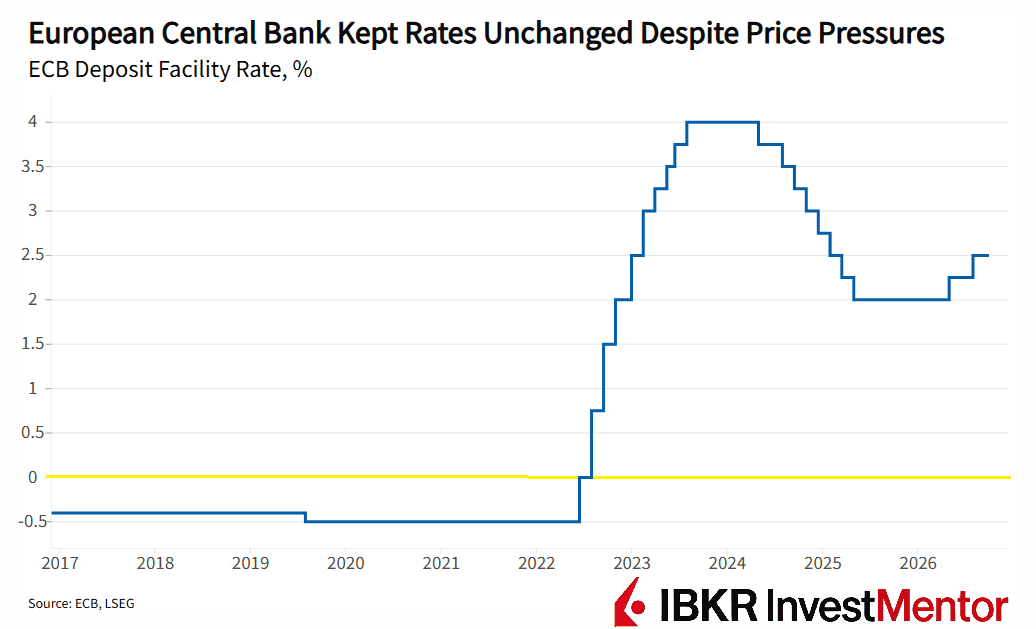
The new ECB chief will inherit a complex economic and political landscape: