
Media
Hold or Trade🎥
10/23/2026
10/26/2026

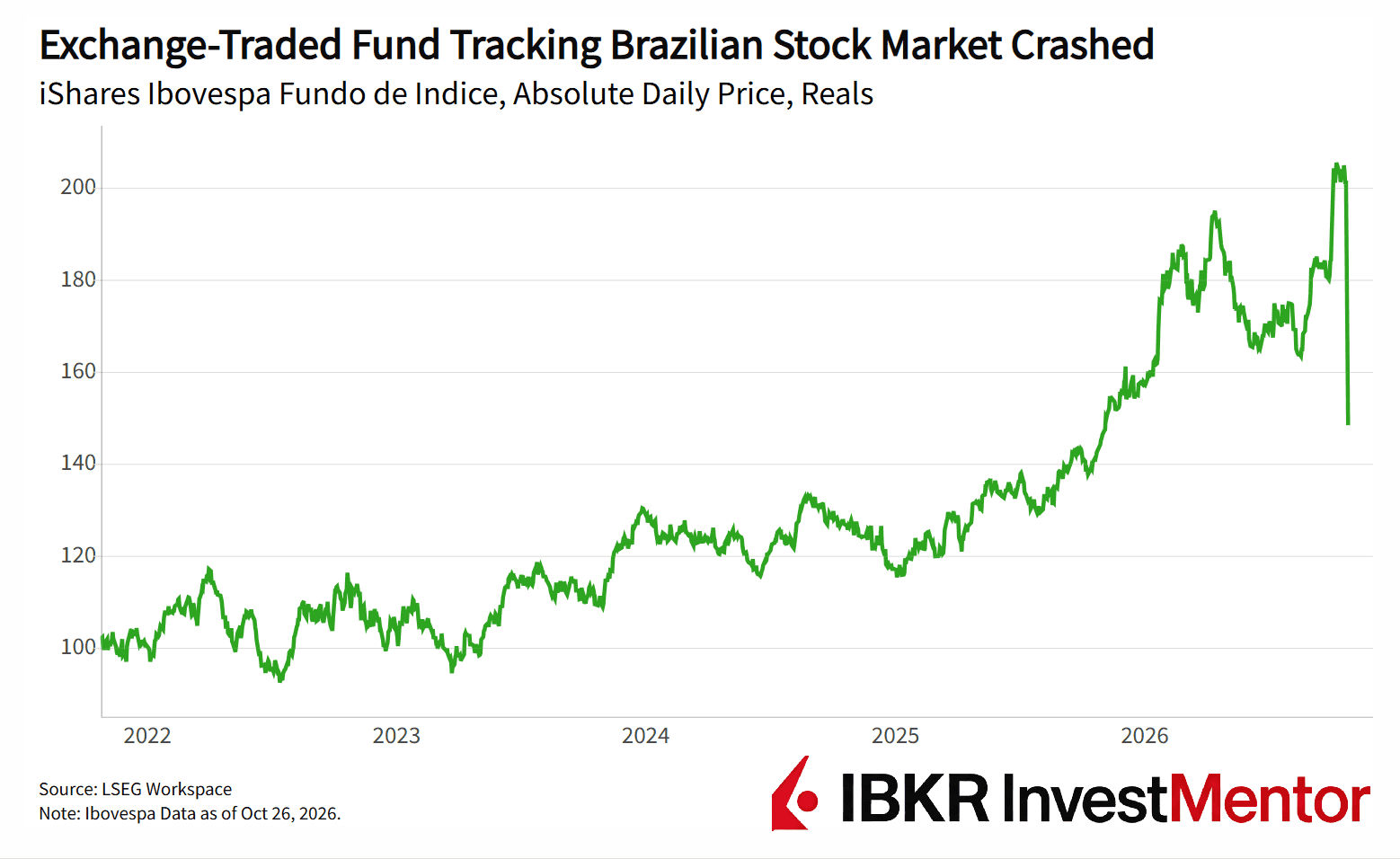
Luiz Inácio Lula da Silva has won a historic fourth presidential term, defeating right-wing challenger Flávio Bolsonaro in a thriller of an election.
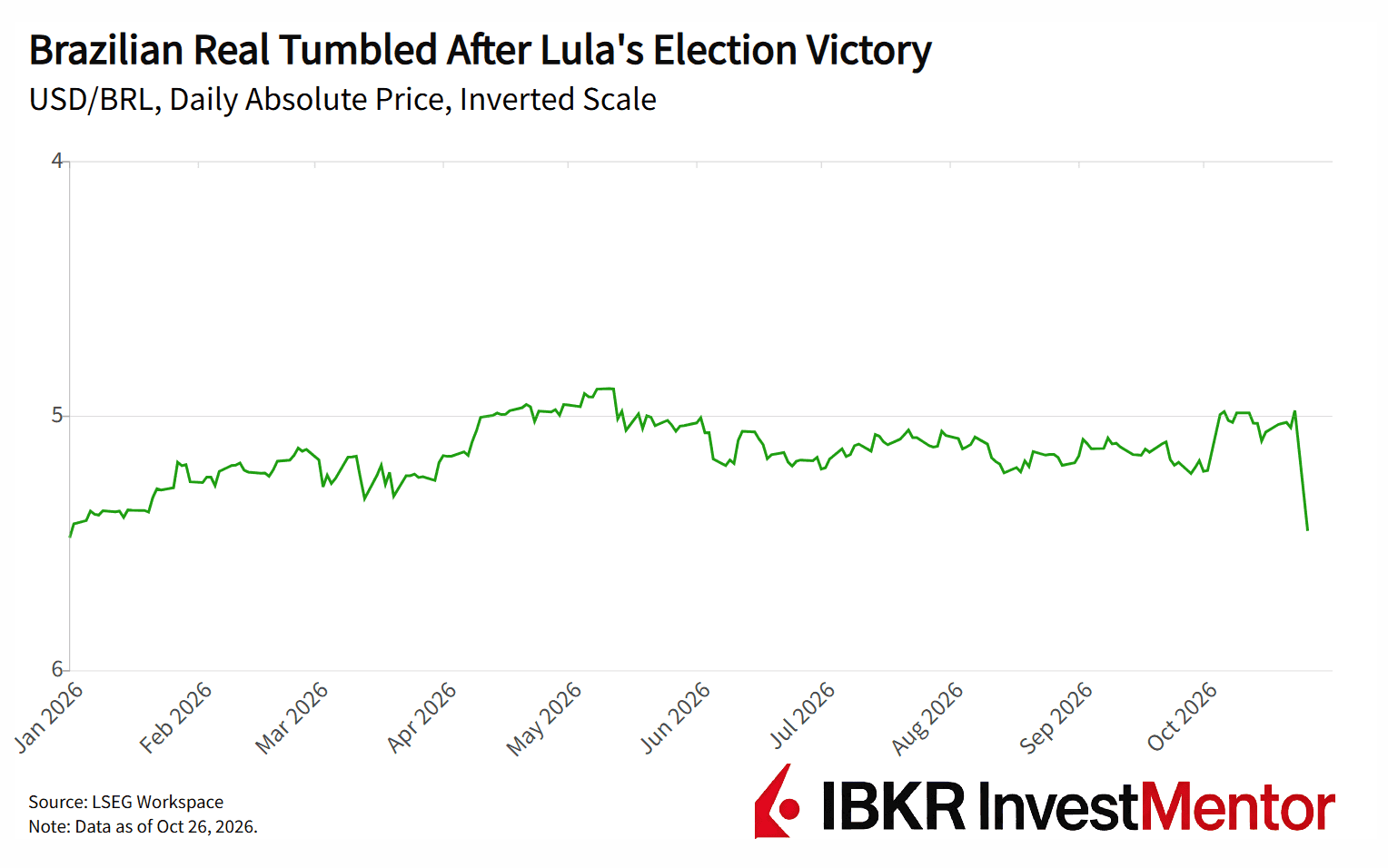
Investors bet on Bolsonaro’s victory, expecting more fiscal discipline. The young challenger (the son of jailed former president Jair Bolsonaro) had earlier shocked markets by winning the first round, sending bond yields plunging, stocks surging, and Brazilian currency real spiking. After that surprise, prediction markets put his odds of victory above 75% as late as Friday. But ultimately, 80-year-old Lula won the final round in a knife-edge 51.8%–48.2% vote.
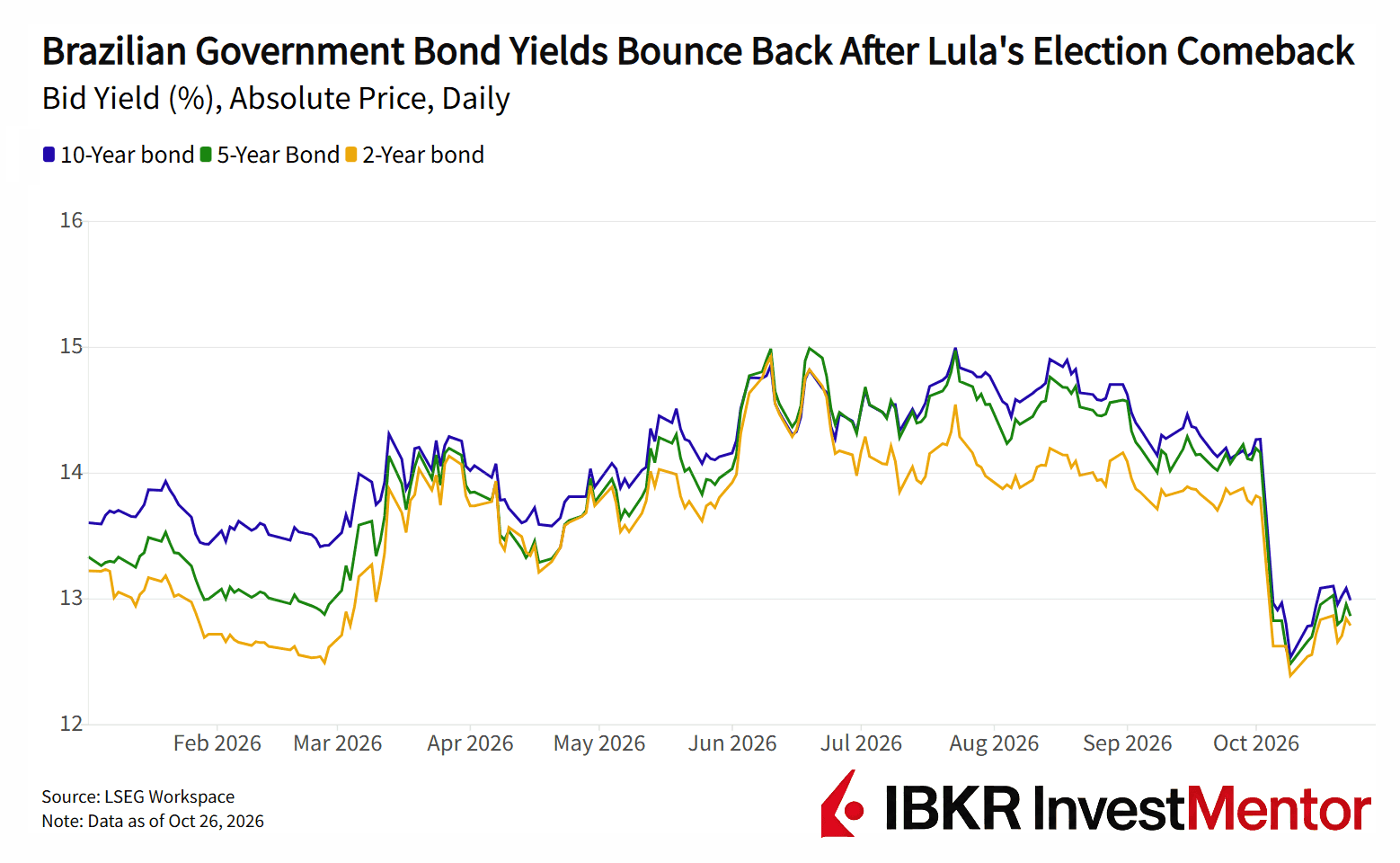
Markets are pricing in government finances, not voting who’s the best person to lead the country. Brazil’s public debt is already around 83% of the national output, which is a lot for an emerging country with high interest rates. Brazil’s 10-year government bond yields are around 13%, compared to 5% in the US or 3% in Germany. That means its debt is expensive to service.
Investors expected Bolsonaro to cut spending, while Lula campaigned on measures including higher welfare payments, debt forgiveness, and free weekend public transport. That raised fears of larger deficits, more borrowing, and stickier inflation. Now investors are watching Lula’s choice of finance minister and his fiscal plan.
Bolsonaro has refused to concede, planning to challenge the result. This fuels instability.
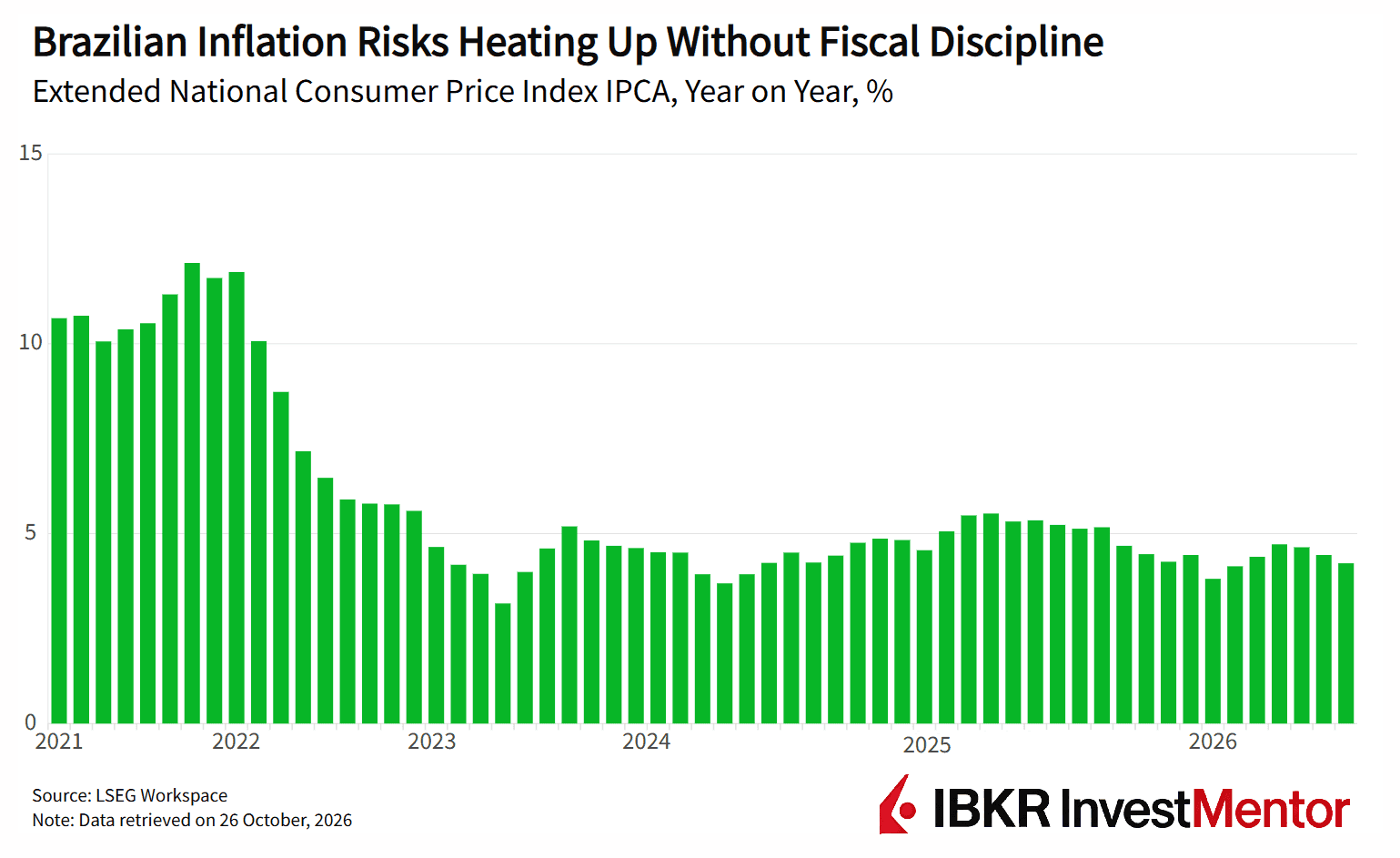
The market selloff can leak into Brazil’s wider economy. A weaker currency makes imported goods more expensive, adding inflation pressure. Higher government borrowing costs can leave less money for public services and investment. And elevated interest rates make mortgages, business loans and other credit costlier.
Brazil is familiar with that squeeze. Its economy grew 2.3% in 2025, slowing from 3.4% in 2024 as high interest rates weighed on consumption and investment.
But Lula faces constraints too. His team says it wants to run a budget surplus of about 1.3% of GDP by 2030, leaving little room for fiscal excess. And a more conservative Congress could block large spending increases.
Why should an investor in London, New York, or Hong Kong care? Brazil is Latin America’s largest economy, with GDP of about $2.3 trillion in 2025.
It’s a commodity heavyweight, providing the world with soybeans, oil, iron ore, beef and coffee. China alone bought almost 80% of Brazil’s soybean exports in 2025, when the country harvested a record crop of more than 170 million tons. And as the guardian of the Amazon rainforest and a top-10 greenhouse-gas emitter, it’s a huge player in climate politics too.
That gives Brazil an unusually long reach. Changes in its currency, interest rates, trade policy, or agricultural output ripple through commodity markets and global supply chains.