
Tech
Big Tech Wrap-up
Clouds Boom but Patience Shrinks as AI Spending Accelerates
7/31/20268/3/2026
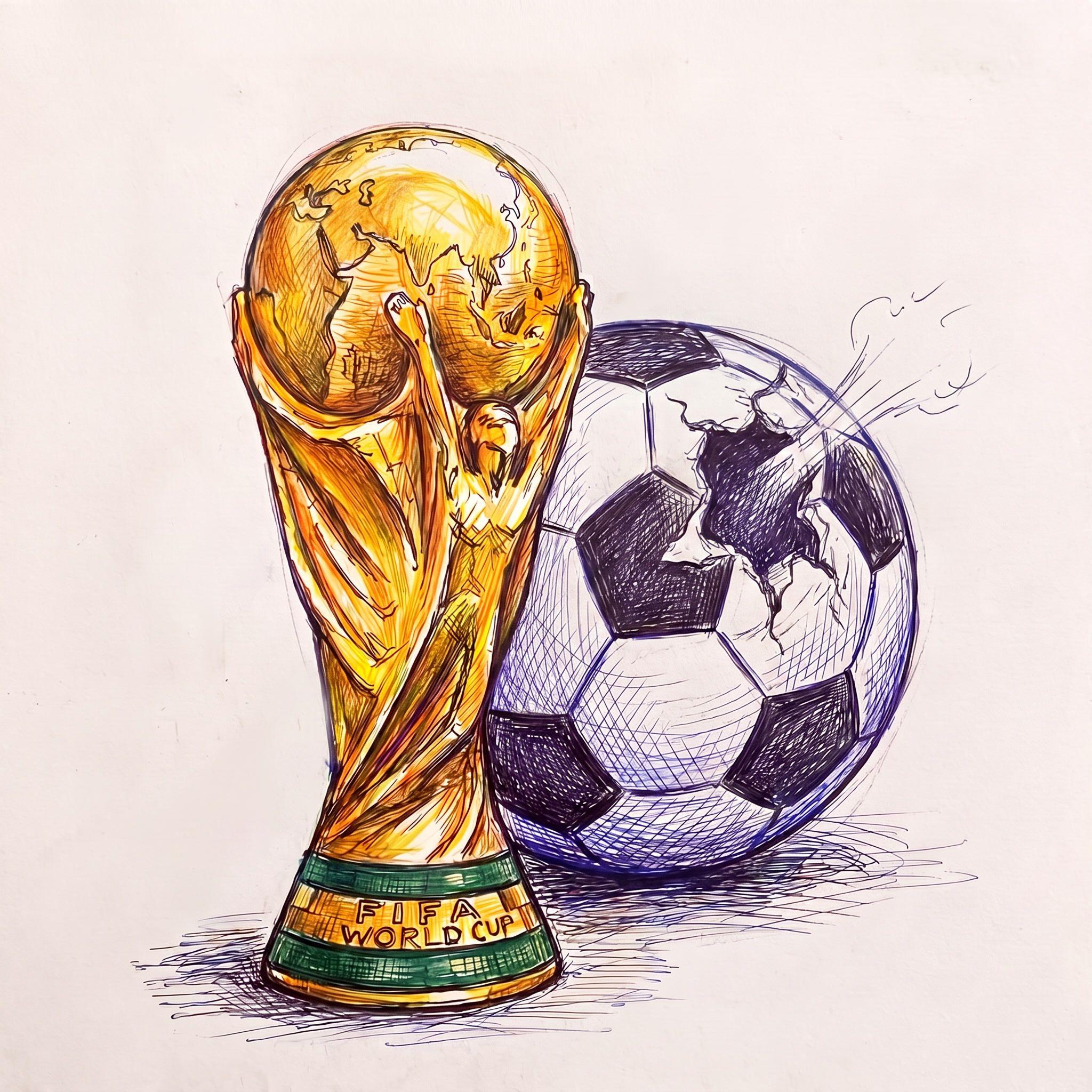
Fifa President Gianni Infantino has been forced to drop his plan to sell a stake in the World Cup after an uproar across the world of football (soccer). In a matter of days, 147 countries out of 211 Fifa members opposed the plan.
The plan was to set up a new company called Fifa Forward Enterprise (FFE), which would have held the commercial rights to the World Cup and other competitions. Up to 20% of this business would have been sold to private investors, valuing the subsidiary at roughly $20 billion. The deal could have raised $4.2 billion.
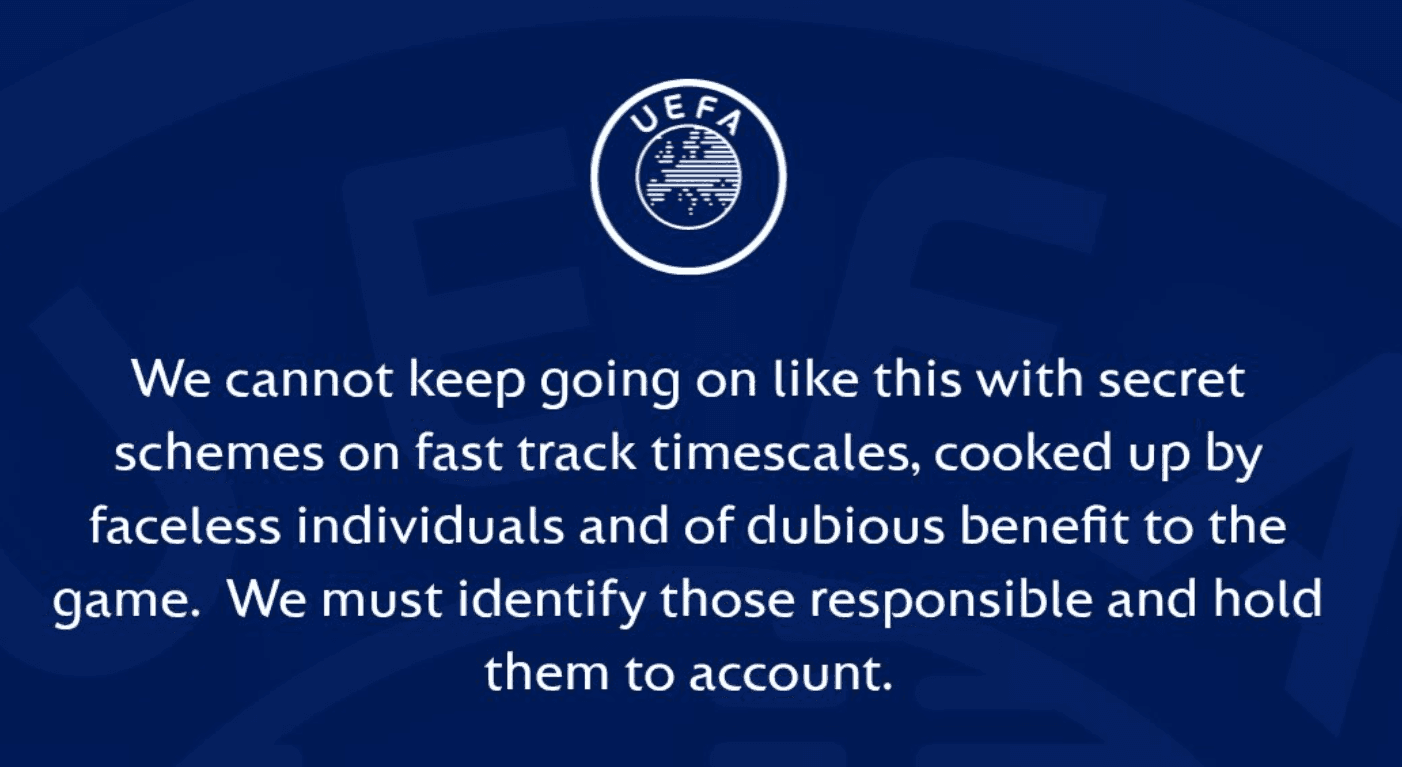
Uefa led the opposition to the plan, announcing a boycott shortly after an emergency meeting. It sharply criticized Fifa and its leadership, rallying football associations into a unanimous front against the proposal.
Uefa accused Fifa president Gianni Infantino and others of “enriching themselves and their friends.” Tech investor Joshua Kushner's Thrive Eternal fund was lined up as a lead investor. He is US President Donald Trump’s son-in-law Jared Kushner’s brother.
Fifa is supposed to operate as a non-profit, returning proceeds to support the sport and member countries. Infantino would become the CEO of this new venture, with an annual salary of $50+ million.
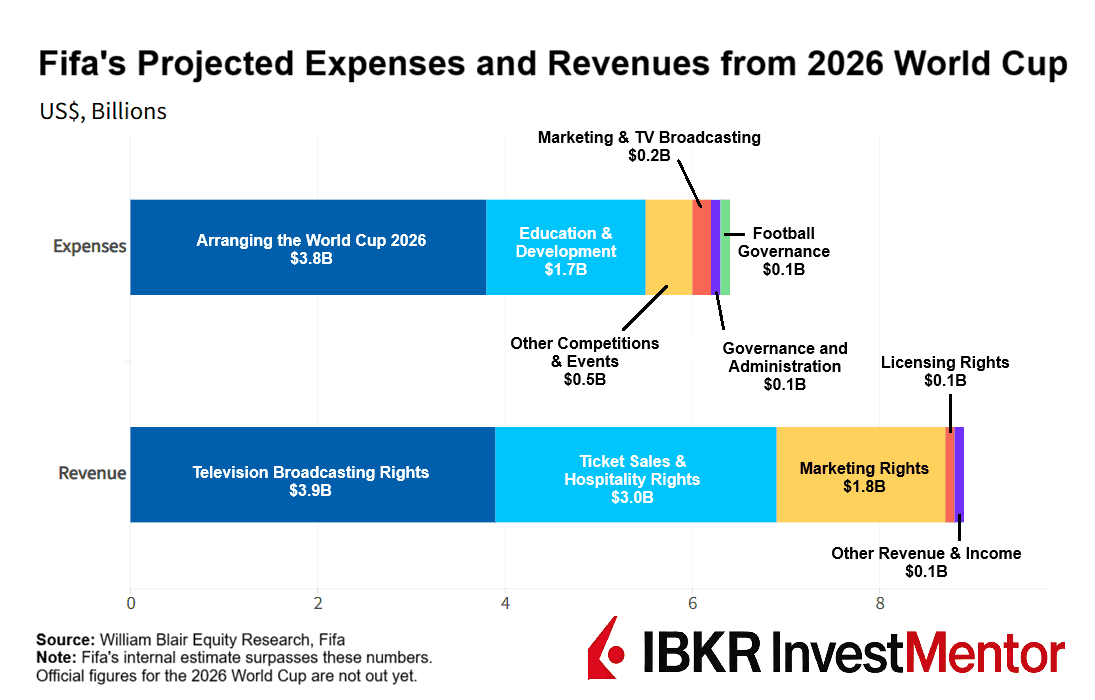
Fifa argued the sale would have democratized football's wealth. The US-Mexico-Canada World Cup this summer blew past revenue expectations, with the whole 2023-2026 commercial cycle expected to rake in a record $15 billion. But much of football money remains concentrated in Europe. Infantino’s offer was geared towards smaller countries:
But ultimately, there's no World Cup without big football countries like Germany, France, England, and the reigning champion, Spain. Infantino failed to consult with the European giants and convince them of the plan.
Football has an awkward relationship with money. A few years back, a proposal for a closed European “Super League” sparked outrage, and the project was quickly buried.
Fifa has been forging ahead with commercialization, with this summer’s tournament reaching new heights. The number of teams was expanded from 32 to 48, average ticket prices climbed to thousands of dollars, and “hydration breaks” allowed ads to interrupt matches.
Infantino has kept the door open for a 64-team tournament in 2030. He is also pushing to organize the games every 2-3 years instead of the current four-year interval. He says he wants the World Cup to be “for the whole world.” Cynics say the real driver is the opportunity to sell more tickets.
The backlash has raised questions about the future of the entire sport. Uefa has threatened Infantino with legal action. His re-election as Fifa president in March next year is now very much in doubt.
While not all are against commercialization of the sport, one major complaint was procedural. Many football bodies learned about the proposal through media reports rather than formal consultation. Fifa gave members only seven weeks to approve or reject the plan.
There's also the question of Fifa's reserves. At $5 billion, they could be used directly to benefit the smaller countries in a similar way as the sale was supposed to. Uefa has challenged non-profit Fifa for holding such huge reserves, rather than distributing the money for the benefit of the game.
Want to explore more? Download our free app to unlock expert news updates and interactive lessons about the financial world.