
Politics
Greenland Rally
Why Security Deal Changes Less Than White House Suggests
9/21/20269/22/2026
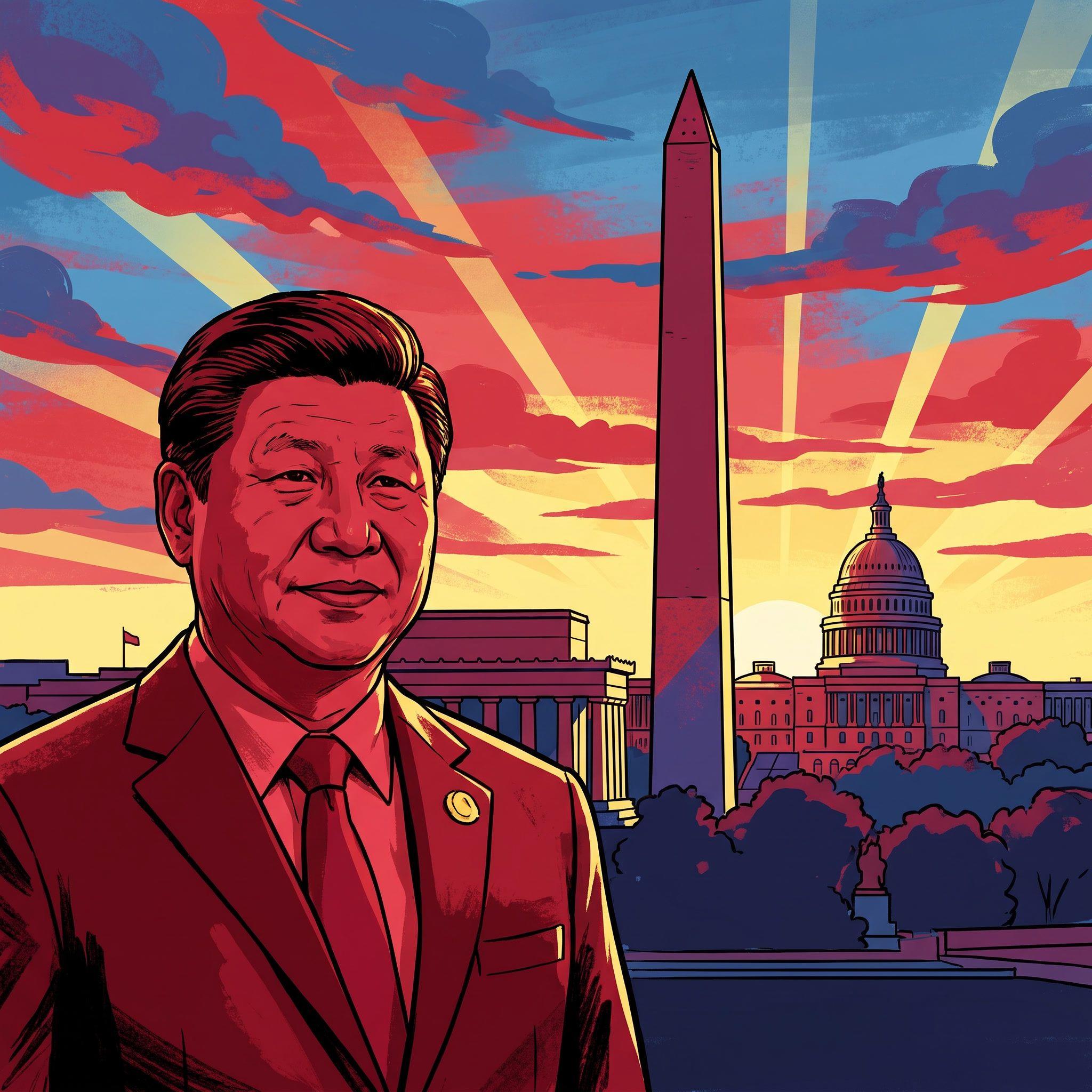
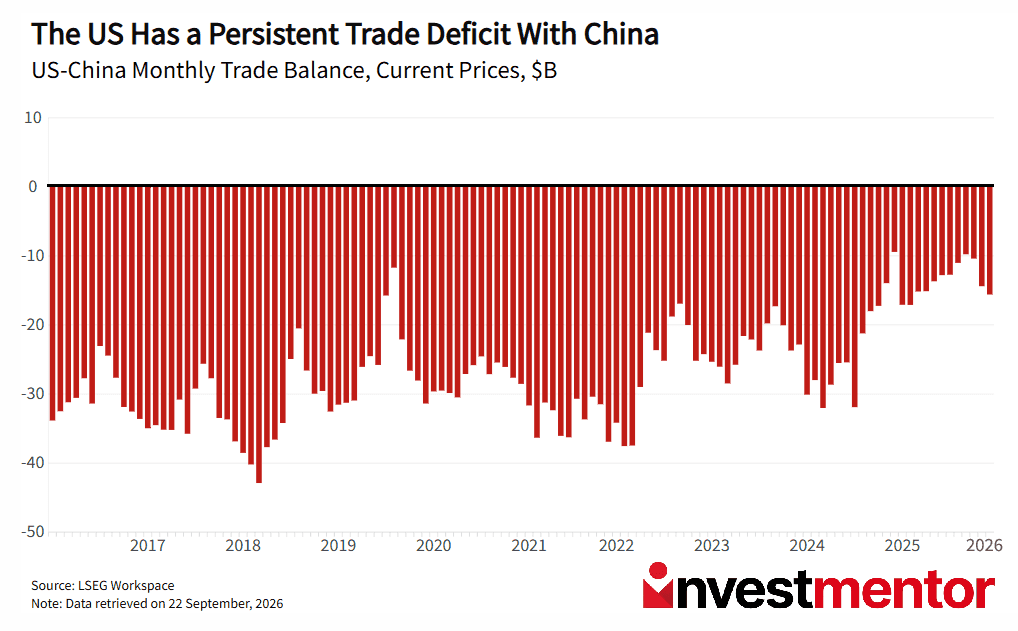
This Thursday, the leaders of the world's two biggest economies meet in Washington. Last time, US President Donald Trump and Chinese President Xi Jinping met four months ago, and Xi’s first visit to the US in 11 years.
The US and China have fierce disputes but they also need each other. The trade truce agreed in Busan last year expires on November 10, and both sides would be hurt by a return to a full-blown trade war that rattled global markets and fueled inflation. The two will likely discuss:
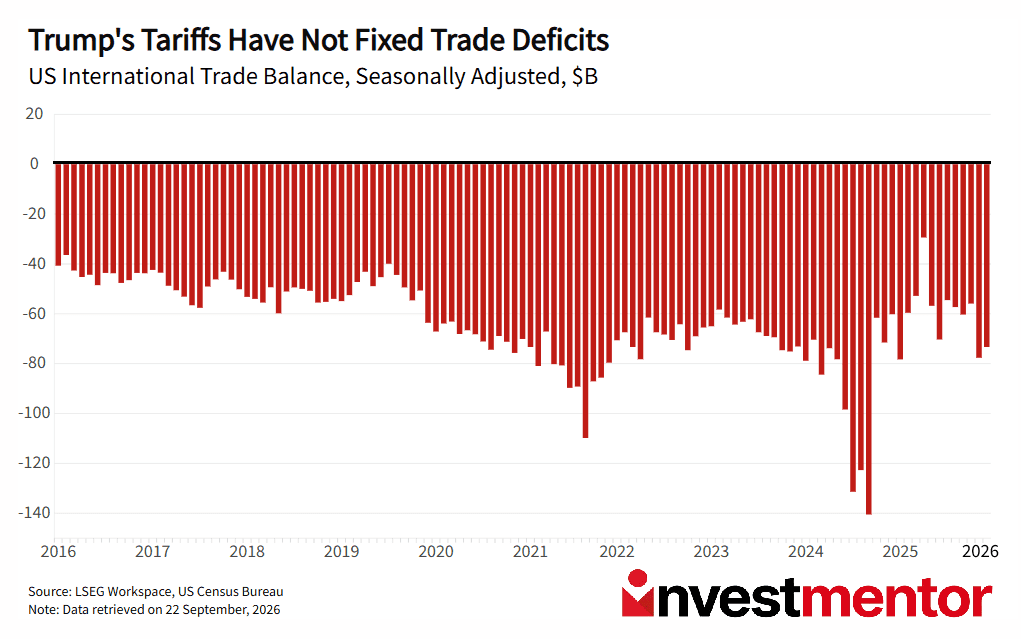
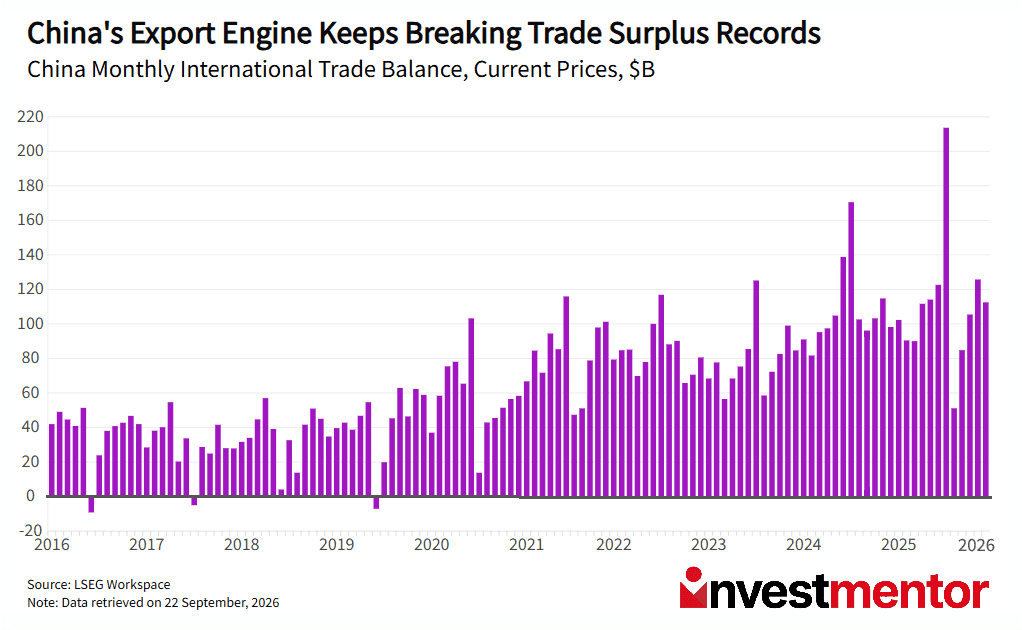
Trump returned to the White House promising to shrink the US trade deficit through tariffs. Instead, China’s global trade surplus is on course to hit record $1.2 trillion this year. Direct trade between the two is shrinking but China has rerouted supply chains and found alternative markets.
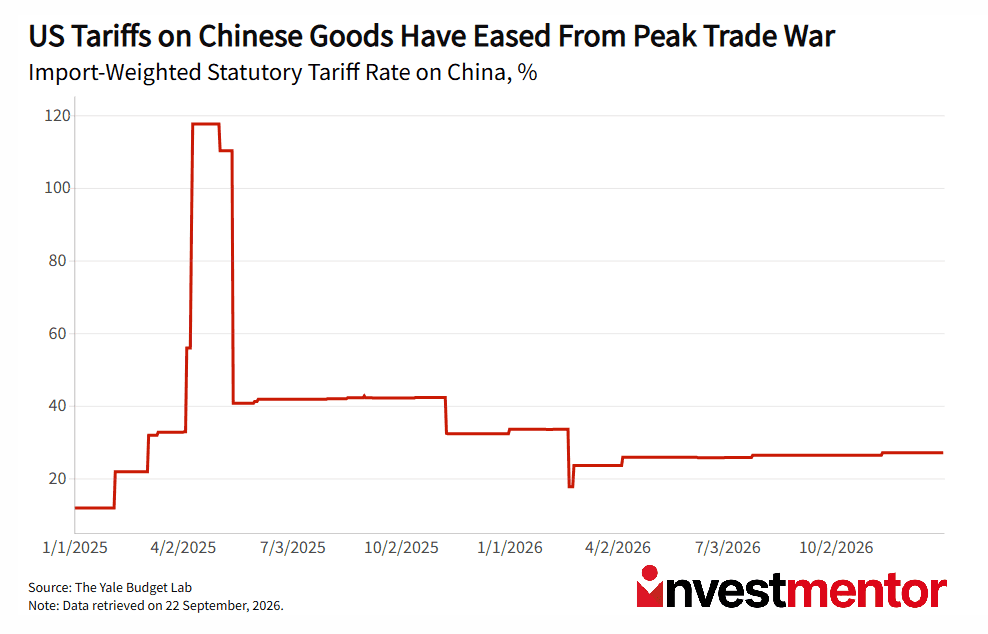
US tariffs have been reduced from the original April 2025 “Liberation Day” levels. And after the US Supreme Court struck those down, the White House has struggled to find a legally solid structure for new ones. Chinese imports face a complicated stack:
The US and China are both racing to build the strongest AI systems. But after pleas from AI CEOs for an industry-wide slowdown, governments are discussing guardrails.
American and Chinese officials have agreed to meet again in Shenzhen in roughly two months and establish an “incident line” for AI emergencies. The proposed dialogue would cover threats such as autonomous agents launching cyberattacks, criminals weaponizing AI and systems operating beyond their developers’ control.
Nuclear rivals created hotlines because competition made accidents more dangerous. It looks like AI requires its own version. But at the same time there are no signs of Trump or Xi willing to hit the brakes on the AI race.
Washington wants to keep the most advanced chips away from China, fearing they could accelerate AI, military technology, cyberattacks and surveillance.
But at the same time, the US wants China to buy its products and reduce the trade deficit. Since January, top Chinese tech companies have been able to buy “second-tier” Nvidia H200 and AMD MI325X chips, on a case-by-case basis. China was first reluctant to green light the purchases, but chip trade has perked up over the summer.
Beijing was badly burnt by the restrictions and the US is still blocking access to the top-of-the-line chips. This is why China’s primary goal is to encourage Huawei and other local companies to develop a homegrown chip industry.
The US dominates advanced AI chips, but China dominates many of the materials needed to make chips, cars, missiles and motors. It built its market supremacy in rare earth metals over six decades through state planning, domestic research, and foreign acquisitions. Now it controls:
That helps explain Washington’s restrained approach before the summit. When Beijing restricted rare earth exports last year, some US aerospace and chip companies struggled to secure supplies.
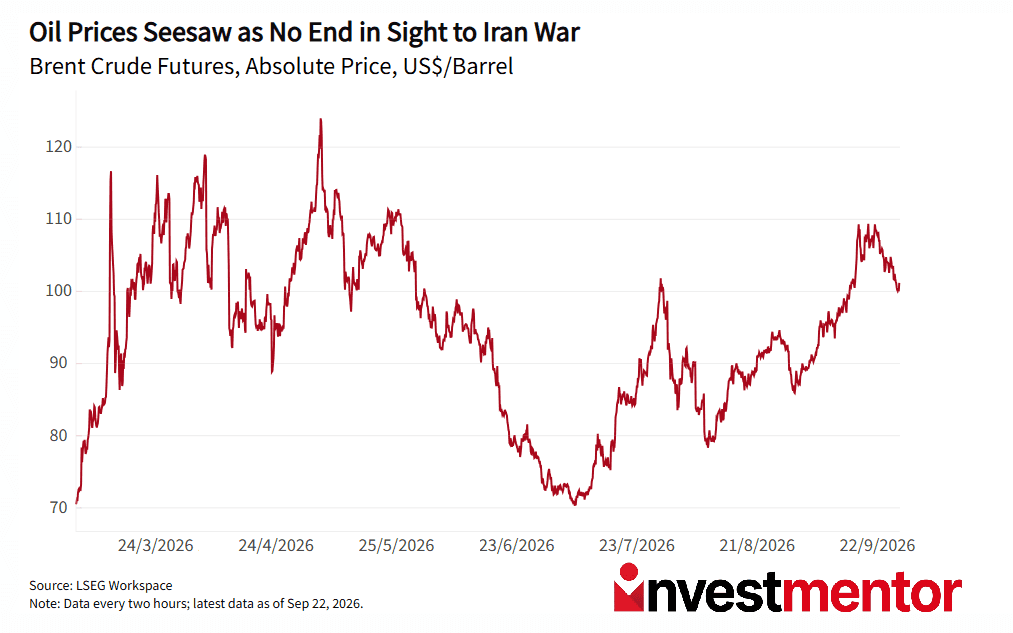
The US war with Iran gives Xi Jinping another valuable card. China has been one of the largest buyers of sanctioned Iranian crude, providing Tehran with revenue. Washington wants Beijing to pressure Iran and could threaten Chinese banks or refiners with secondary sanctions.
But aggressive enforcement could provoke China just as Washington wants cooperation elsewhere.
China has helped contain the oil shock. Its crude imports fell drastically from a five-year average of roughly 11.5 million barrels a day to about 8 million in the second quarter, freeing crude for other buyers and limiting the rise in global prices. China has been relying on its vast oil reserves but if it starts buying aggressively again, the global prices will shoot up.
Want to explore more? Download our free app to unlock expert news updates and interactive lessons about the financial world.