
Economy
US Housing
Understand the US Real Estate Cycle
10/7/2025
10/9/2025
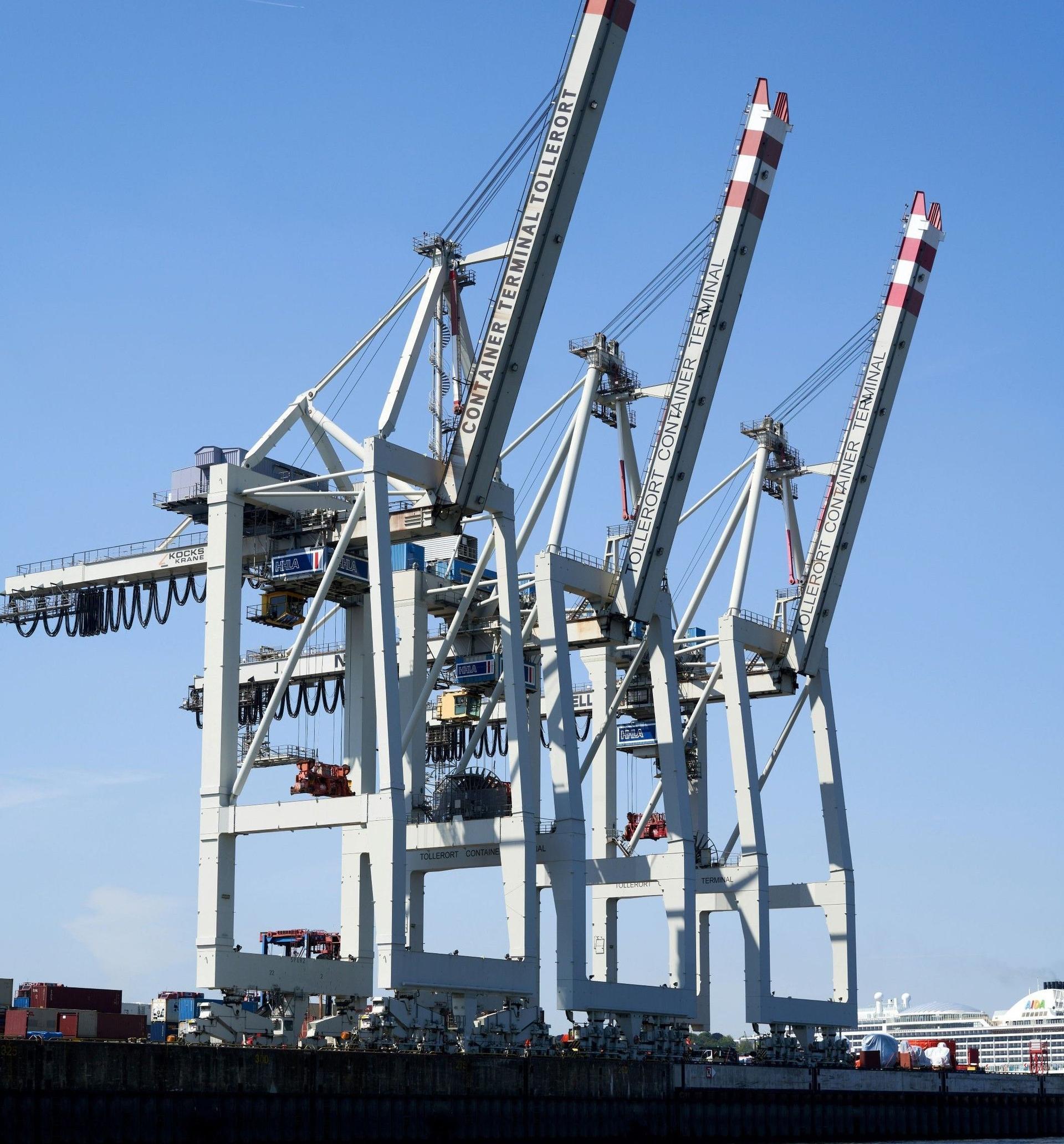
Export-heavy Germany struggling
Germany’s economy has long relied on selling goods abroad — from cars to industrial machinery. But in August, exports fell unexpectedly, especially to the US, as new tariffs and a stronger euro made German products less competitive.
Overall, this signals deeper challenges for Germany’s export-driven model, which has powered the economy for decades.
Germany’s Week in Data
A wave of economic updates from Germany:
Factories Slow Down
Industrial production in Germany saw its steepest monthly drop in over three years, led by a 19% fall in car manufacturing.
That matters because factory output reflects how much the economy is producing — and when production slows, trouble often follows.
Overall output is now 12% below its early-2023 peak, and orders have fallen for four straight months.
The Engine of Europe Is Misfiring
Germany is the largest economy in Europe and the third largest in the world. But growth has stalled. After two years of contractions, the government now expects just 0.2% growth this year.
That’s a modest figure for a country of this size and influence.
To counter this, Berlin has launched a €500 billion investment plan aimed at infrastructure and innovation. Still, challenges remain:
What Investors Should Watch
Germany’s slump could ripple across European stock markets, especially in sectors tied to manufacturing and exports. But not all signals are negative — government spending and rising consumer demand may support other areas.