
Companies
From Shoes to AI
Allbirds Leaves the Nest and Chases AI Hype
4/16/20264/20/2026
The Strait of Hormuz remains largely shut, after short-lived hopes of a diplomatic breakthrough. White House has extended the ceasefire with Iran to give peace talks enough time to run their course. But Iran has continued to attack ships, and seized two vessels on Wednesday.
The key maritime route, which handles a fifth of the world’s oil and gas shipments in normal times, has been obstructed by Iran since 28 February. The US has rolled out its own counter-blockade, which Iran considers an act of war.
The last pre‑war tankers from the Persian Gulf are reaching destinations in Malaysia and Australia now, with no new supply in sight. In Europe, the last shipments arrived a week earlier. Shortages are about to get real.
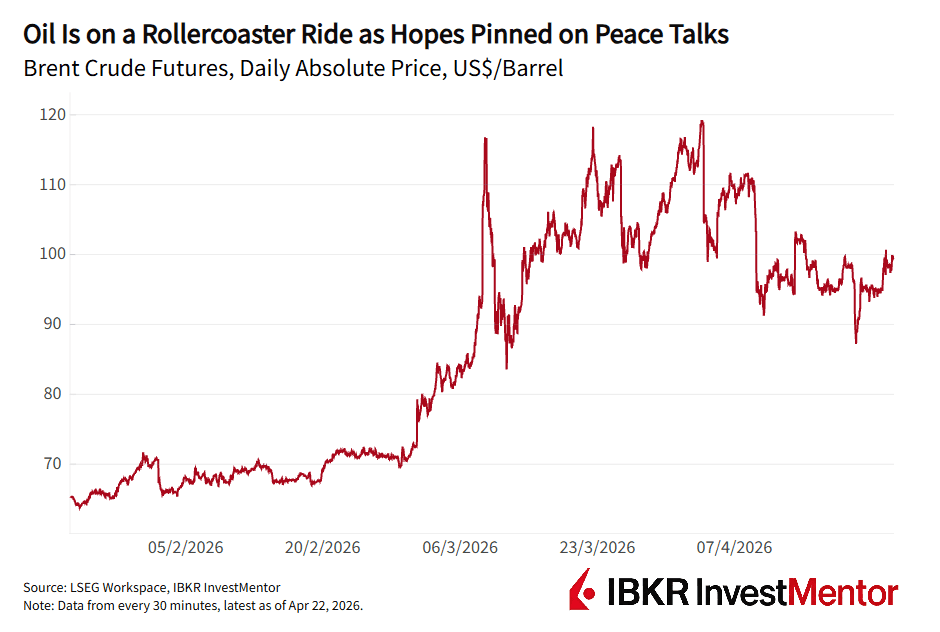
“The price of oil” quoted daily in the news is usually the latest Brent front-month contract, meaning the nearest futures contract that hasn’t expired yet. On Monday, Brent traded around $95 per barrel.
But refineries often need oil right away. Forties Blend, a benchmark that follows spot prices of North Sea oil, has been trading as much as 50 dollars above Brent futures. This means refineries are willing to pay a lot more to get physical oil quickly.
The physical market is pricing a world where logistics are broken and the speed of recovery is uncertain. The Gulf exports have hit a near-total halt, and many oil production facilities in the region are badly damaged.
Jet fuel is likely the first product to break. Prices have more than doubled since the conflict began. The International Energy Agency has said Europe is weeks away from shortages. Airline trade body IATA has calculated that European carriers may have to start cancelling some flights at the end of May. This is already happening in parts of Asia.
The timing is damaging to airlines. Severe shortages arrive just as the summer travel season is about to kick off. And it’s not just holidaymakers that are hit. Around a third of the world trade by value moves via air.
Europe’s reduced refining capacity of jet fuel leaves it acutely dependent on imports that are in short supply.
The Hormuz chokehold is squeezing far more than just crude.
Even if the Strait of Hormuz reopens, flows won’t normalize quickly. Shipping data from Kpler shows there are about 260 vessels laden with oil and LNG floating in the Gulf of Persia, waiting to exit.
If the ceasefire holds and Iran allows it, these ships could, within weeks, provide the world with 170 million new barrels of oil and 1.2 million metric tons of LNG.
But shipowners and insurers need security guarantees. And beyond that, the Gulf oil and gas infrastructure is badly damaged, taking in some instances years to fix.
Want to explore more? Download our free app to unlock expert news updates and interactive lessons about the financial world.