Economy
Factory Pulse
Order Books Grow, but Costs Come Roaring Back
3/2/20263/5/2026
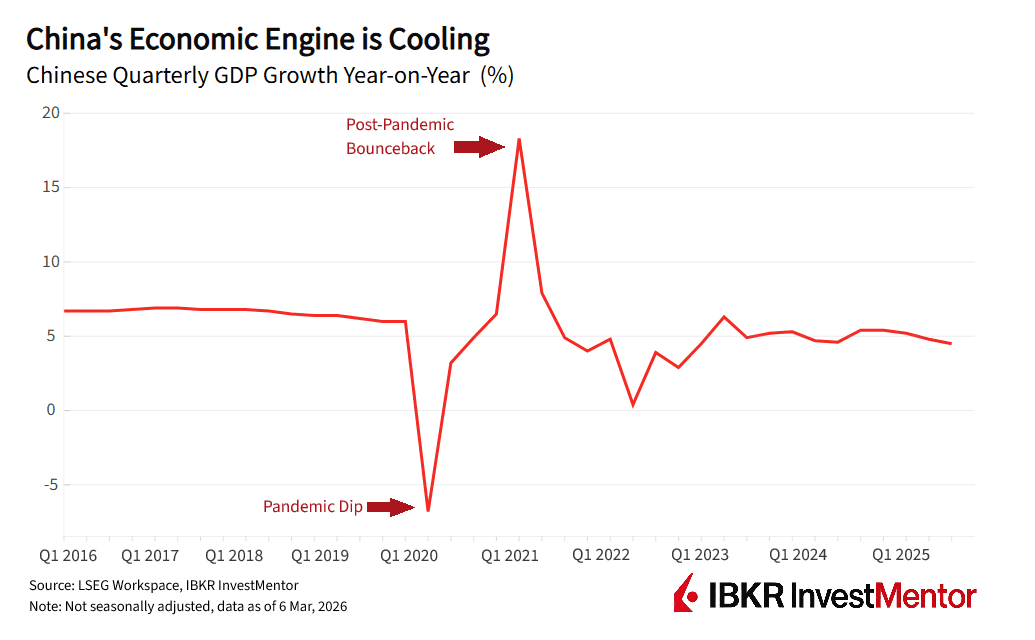
China has set a 4.5–5% growth target for 2026, its lowest range in decades. Last year’s target was “around 5%”, which China officially reached.
Leaders described the new goal as a realistic response to the tougher global backdrop of US tariffs, geopolitical tensions, and domestic problems. China is tackling a high local government debt and a prolonged property crisis, with China Vanke being the latest major developer teetering on the verge of collapse.
A wider band gives policymakers more leeway to adjust if conditions worsen.
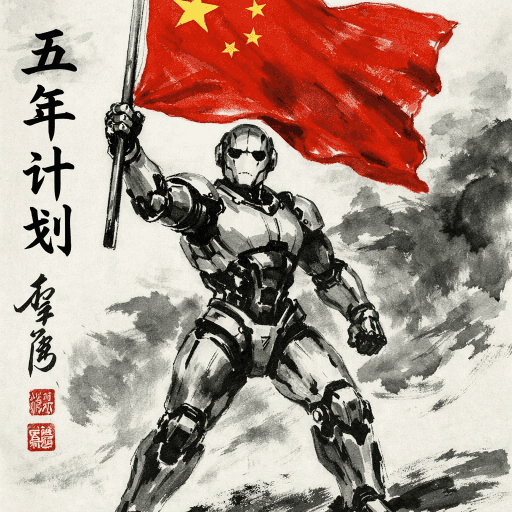
Technology, not consumption, is China’s growth focus in its new five-year plan. The government wants to build a domestic chip supply chain and invest heavily in AI, quantum tech, and advanced manufacturing.
All of this is to reduce reliance on foreign suppliers, especially as the US is still blocking Nvidia from shipping its most advanced chips to China.
AI appears more than 50 times in the plan, with visions of robot‑run factories. And China, the world’s largest electric-vehicle exporter, continues to bet on the green transition. It already has 85% of the world’s charging stations and plans to double them in three years.
Five‑year plans are big, top‑down roadmaps for an entire economy. Instead of letting markets guide what gets made and at what price, governments set targets from the center. The idea began in the Soviet Union in 1928, when Joseph Stalin pushed to industrialize at breakneck speed. Communist China adopted the model in 1953.
Today, China still uses five‑year plans, but they’re strategic guides, not rigid production orders. Think of them as a national priority list: which industries matter most, where investment will flow, and what the government wants the economy to look like in the future.
The central government is still leaning on strategic investment, even as it cracks down on unproductive local infrastructure projects.
China hasn’t managed to fully transform from “the world’s factory” into a middle-income economy fueled by domestic consumption. And now the focus is shifting from shopping bags to AI chips.
Key challenges:
Want to explore more? Download our free app to unlock expert news updates and interactive lessons about the financial world.