Tech
AI Under Guard
China Tightens AI Defenses as DeepSeek Shifts Strategy
4/27/20264/28/2026
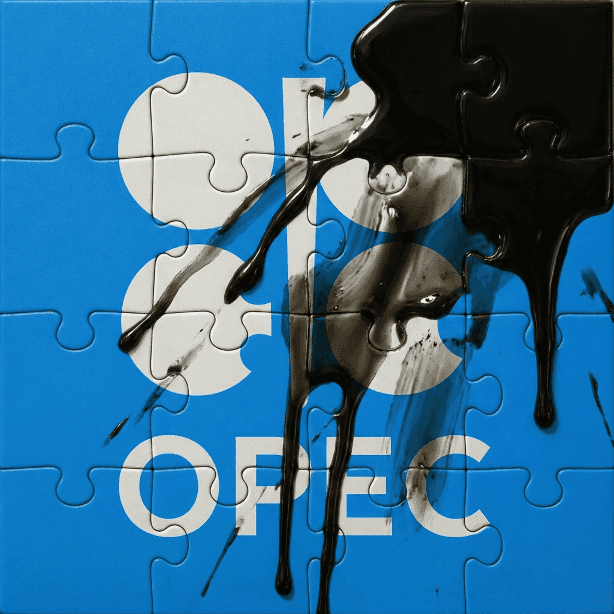
The United Arab Emirates is leaving Opec after almost 60 years, a move that exposes widening rifts inside the world’s most powerful oil cartel during the Iran‑war energy crunch.
“The UAE’s decision to exit from Opec reflects a policy-driven evolution aligned with long-term market fundamentals,” UAE Energy Minister Suhail al-Mazrouei wrote on social media.
Translation: The UAE has for years expressed frustration with Opec’s production quotas. It wants to make more money in exporting oil. The US-Israel war against Iran has further amplified political and economic differences within Opec, of which Iran is a member.
Opec is short for the Organization of the Petroleum Exporting Countries. It’s a group of 11 oil‑producing nations that coordinate how much oil they pump. It is a textbook definition of a cartel, a group of producers influencing prices together through supply.
Why is it legal? National governments crack down on cartels, but as an intergovernmental organization of sovereign nations, no one can really stop Opec. Saudi Arabia is the group’s de facto leader, but the UAE did not let the Saudis know about its exit in advance.
Opec+ includes some non‑Opec producers, such as Russia and Mexico. The US, the world’s largest producer, is not a member.
The expanded group was created in 2016 after a price crash, to give producers more firepower over the market. Together, OPEC+ controls around half of the global oil supply.
Leaving the bloc means exiting both Opec and Opec+. As a top‑10 oil producer pumping about 3.4 million barrels a day pre-war, the UAE matters. But the bigger question is whether other Opec members will now start breaking ranks.
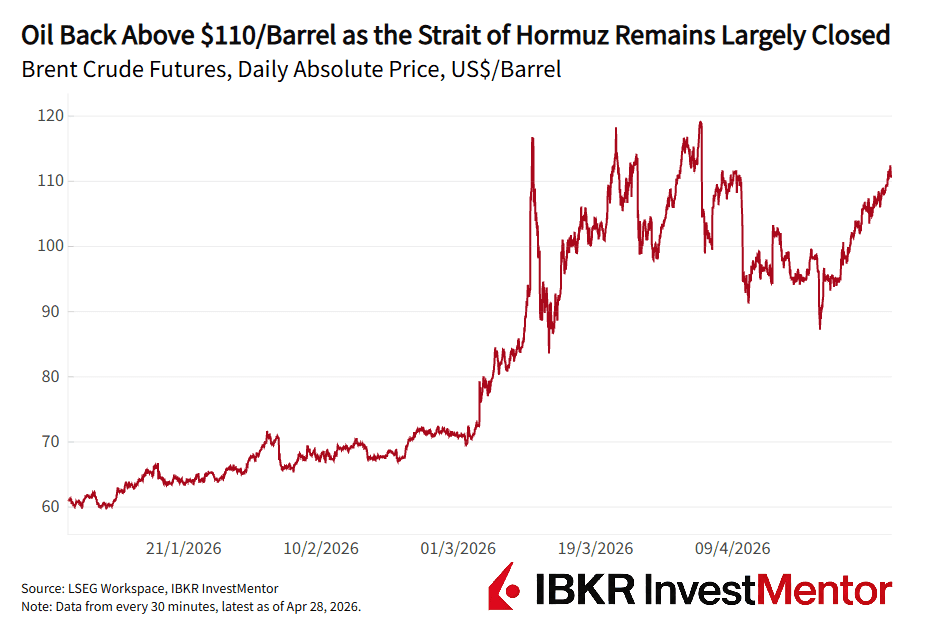
In the short term, the UAE says the impact will be limited. Exports are already constrained by disruptions at the Strait of Hormuz, which normally carries about 20% of the world’s oil.
Longer term, Opec could become structurally weaker. The UAE can fully exploit its position as one of the world’s lowest‑cost, lower‑carbon oil producers — and sell more oil, faster, on its own terms.
The UAE has absorbed more than 2,000 Iranian missiles and drones during the war and has criticized the muted response from Arab partners. Operating independently lets it maximize output and deepen ties with the US and Israel.
Want to explore more? Download our free app to unlock expert news updates and interactive lessons about the financial world.