
Commodities
New Gold Rush
What Drives the New Gold Rush?
1/26/20261/27/2026
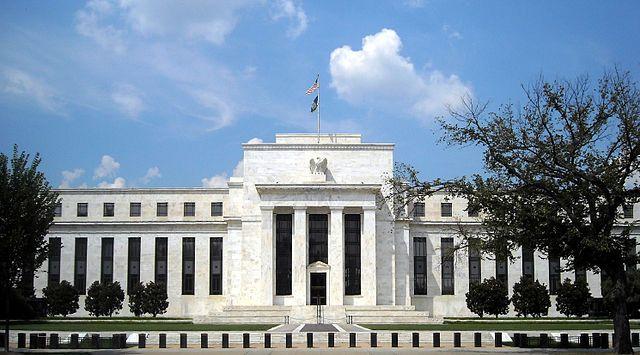
The Fed made no big policy moves on Wednesday, keeping the benchmark rate in the 3.50%–3.75% range as expected. But the focus is on the noise around the institution.
The Department of Justice has opened a criminal investigation into Fed Chair Jerome Powell, related to a Senate testimony he gave on renovations to the Fed buildings. The White House is also embroiled in a legal battle to fire Fed Governor Lisa Cook.
All this is taking place as President Donald Trump is expected to announce a successor to Powell, whose term ends in May.
In an unprecedented move, 11 leading central bankers around the world declared their support for Chair Powell. The list includes the chiefs of the ECB and the Bank of England, among others. The heads of the Bank for International Settlements, known as the bank for central banks, also signed the letter.
Why such a strong reaction? Central bankers worry that the investigation is politically motivated.
“The independence of central banks is a cornerstone of price, financial, and economic stability in the interest of the citizens that we serve,” they wrote.
Former Fed chairs Janet Yellen, Ben Bernanke, and Alan Greenspan have also publicly supported Powell.
Independent central banks can make difficult monetary policy calls, keeping the prices stable, even when it’s politically painful.
Independence shields monetary policy from short-term political pressures and lets central banks focus on long-term goals: keeping inflation in check and maintaining financial stability.
When politics intrudes, uncertainty in the markets rises — and that hits everything from mortgage rates to stock valuations. Long-term borrowing costs may creep up, the currency may weaken, and, in the worst-case scenario, the distrust may even trigger a full-blown capital flight.
Clashes between governments and central banks are common, even when the institutions are legally protected:
The idea of insulating central banks from politics is relatively new.
But independence isn’t universal. China’s PBOC operates under close government direction, and in many countries, independence exists more on paper than in practice.
Regardless of the ongoing investigation, Jerome Powell’s term as the Fed chair is about to end.
For a long time, the betting markets positioned National Economic Council director Kevin Hassett as the top candidate to replace him, but President Trump recently said that he wants to keep Hassett in his current role. Former Fed governor Kevin Warsh and current governor Christopher Waller have interviewed for the role. BlackRock’s fixed-income executive, Rick Rieder, was the last to interview and has emerged as a potential surprise pick.
Want to explore more? Download our free app to unlock expert news updates and interactive lessons about the financial world.