
Companies
Blockbuster Deal
Netflix’s $72 Billion Deal Could Disrupt Hollywood
12/5/202512/8/2025
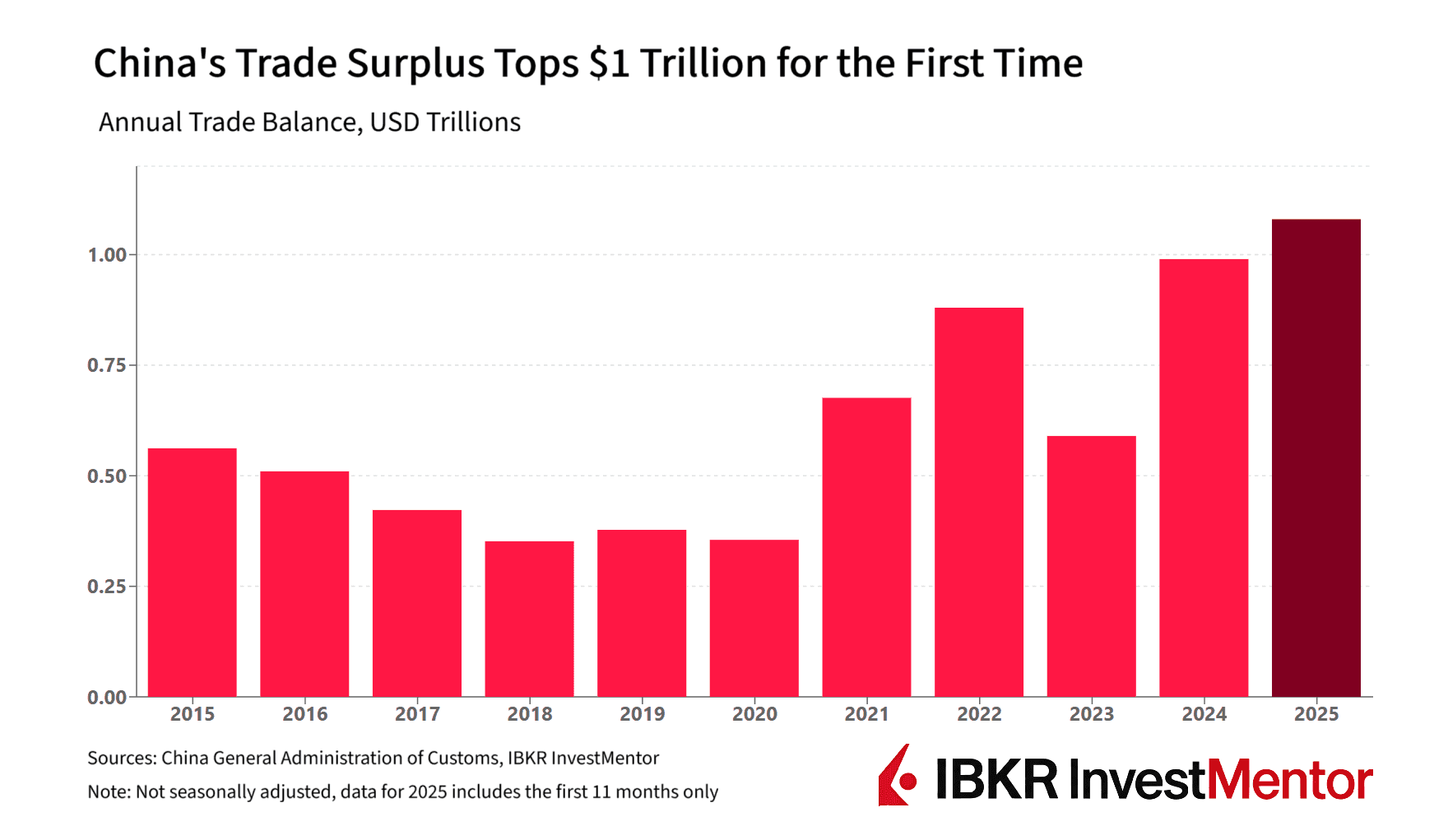
China’s annual trade surplus crossed the trillion-dollar mark for the first time. The new record was set in just 11 months, with December’s data still to come.
Together, these figures underscore how China’s exporters are powering ahead despite US tariffs. The rest of the world is more than making up for the dip in the US.
The US–China trade dispute is reshaping the global economy, even though the rhetoric between the countries has recently softened. The White House tariffs on Chinese goods still average 47.5%, forcing many Chinese businesses to look for market opportunities elsewhere.
Chinese firms also shifted assembly to hubs in Mexico and Africa, allowing some goods to reach the US with lower duties. Tariffs slowed direct flows but didn’t stop the surplus — they simply redirected it.
The trade balance is the scoreboard of exports minus imports. A surplus means selling more than you buy, like China today. A deficit means buying more than you sell, like the US on most years.
China’s full-year surplus is set to equal about 6–7% of China’s $19 trillion economy, rivaling America’s dominance after WWII when other exporters were in ruins.
Surpluses can fuel jobs and innovation, and can be used for geopolitical clout. But they can also reveal weak domestic demand.
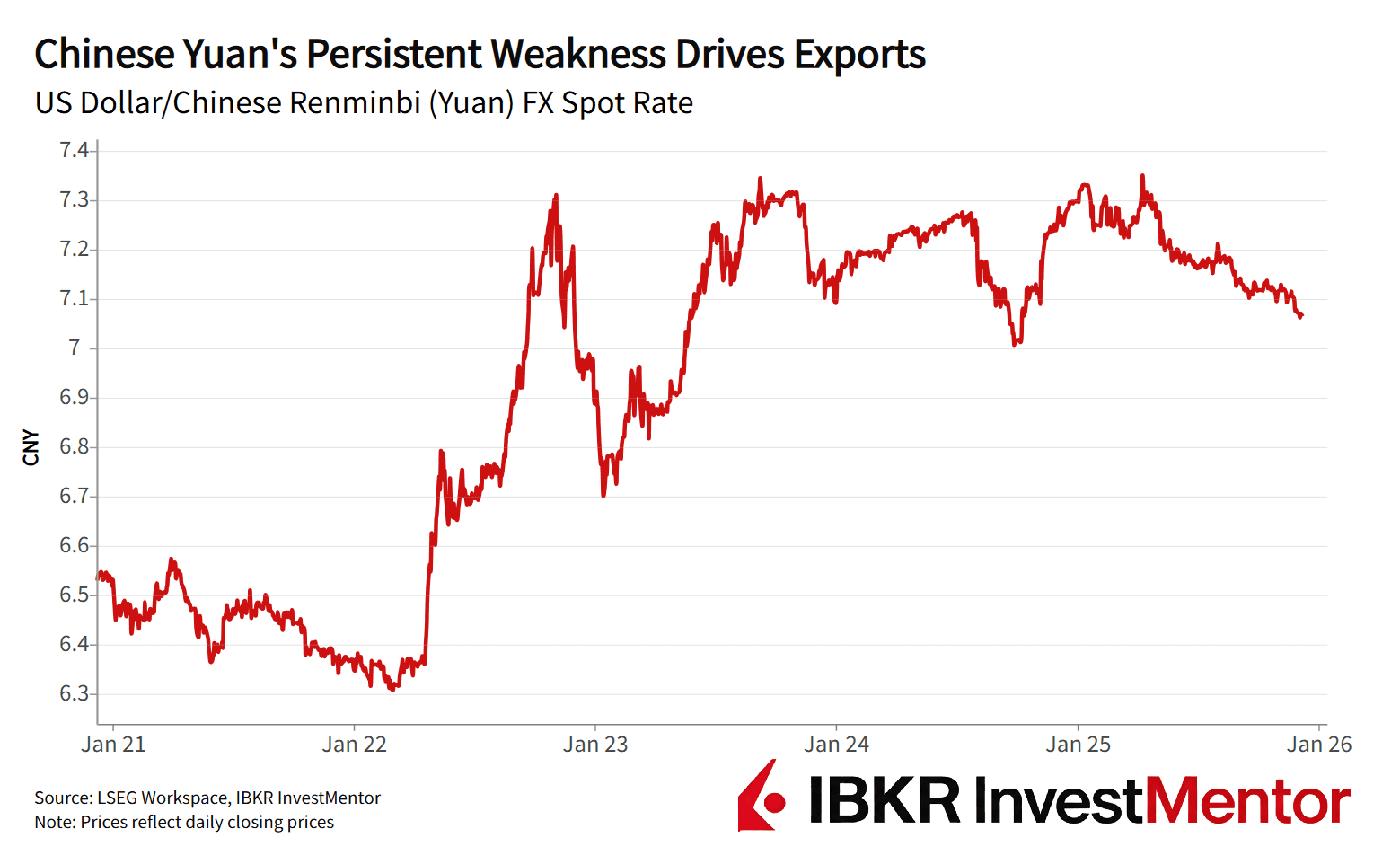
China’s trade boom has been turbocharged by a soft currency. China’s currency renminbi (or yuan) has weakened against the euro and the dollar in recent years, making Chinese goods cheaper abroad while imports into China remain costly.
That tilt helps Chinese exporters win market share in Europe and Asia, but it leaves domestic households paying more for foreign products like wine, cosmetics, or gasoline.
The yuan is valued under a managed float, with the PBOC (the Chinese central bank) setting a daily midpoint and stepping in to curb big moves.
China’s trillion‑dollar surplus is drawing scrutiny. IMF officials are in Beijing this week to review currency and trade policies, while some economists at home and abroad argue that narrowing the surplus could boost household demand. A stronger yuan would make imports cheaper, but risk slowing factory growth and job creation.
The debate shows how trade balances aren’t just numbers. Fiscal and monetary policy choices, along with global factors, determine whether growth leans on exports or consumers.
Want to explore more? Download our free app to unlock expert news updates and interactive lessons about the financial world.