
Companies
Big Reset
French Video Game Giant Fights for Survival
1/22/20261/22/2026

The latest income, spending, and GDP data tell a consistent story: the US economy is still growing at a solid pace, powered by consumers who are spending faster than their incomes are rising, while inflation is running close to the Fed’s comfort zone but not quite there yet.
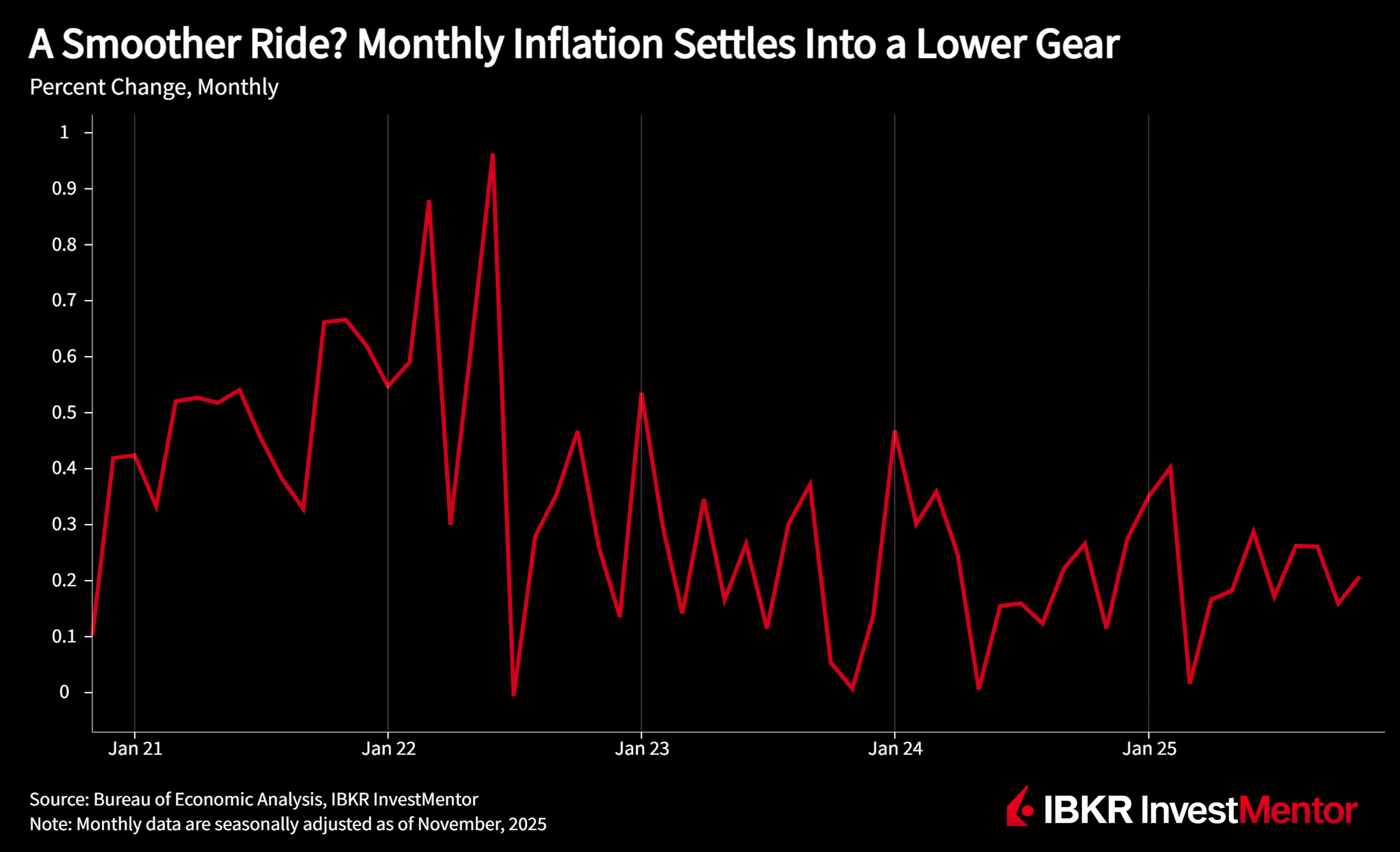
Personal income picked up into year end.
At the same time, Personal Consumption Expenditures (PCE) increased 0.5% in both October and November. In real terms, after adjusting for inflation, spending rose 0.3% in each month, while real disposable income was flat in October and up 0.1% in November.
The gap between income growth and spending growth shows up in the saving data. Personal outlays (spending plus interest and transfers) climbed almost as much as income, and the personal saving rate slipped from 3.7% in October to 3.5% in November.
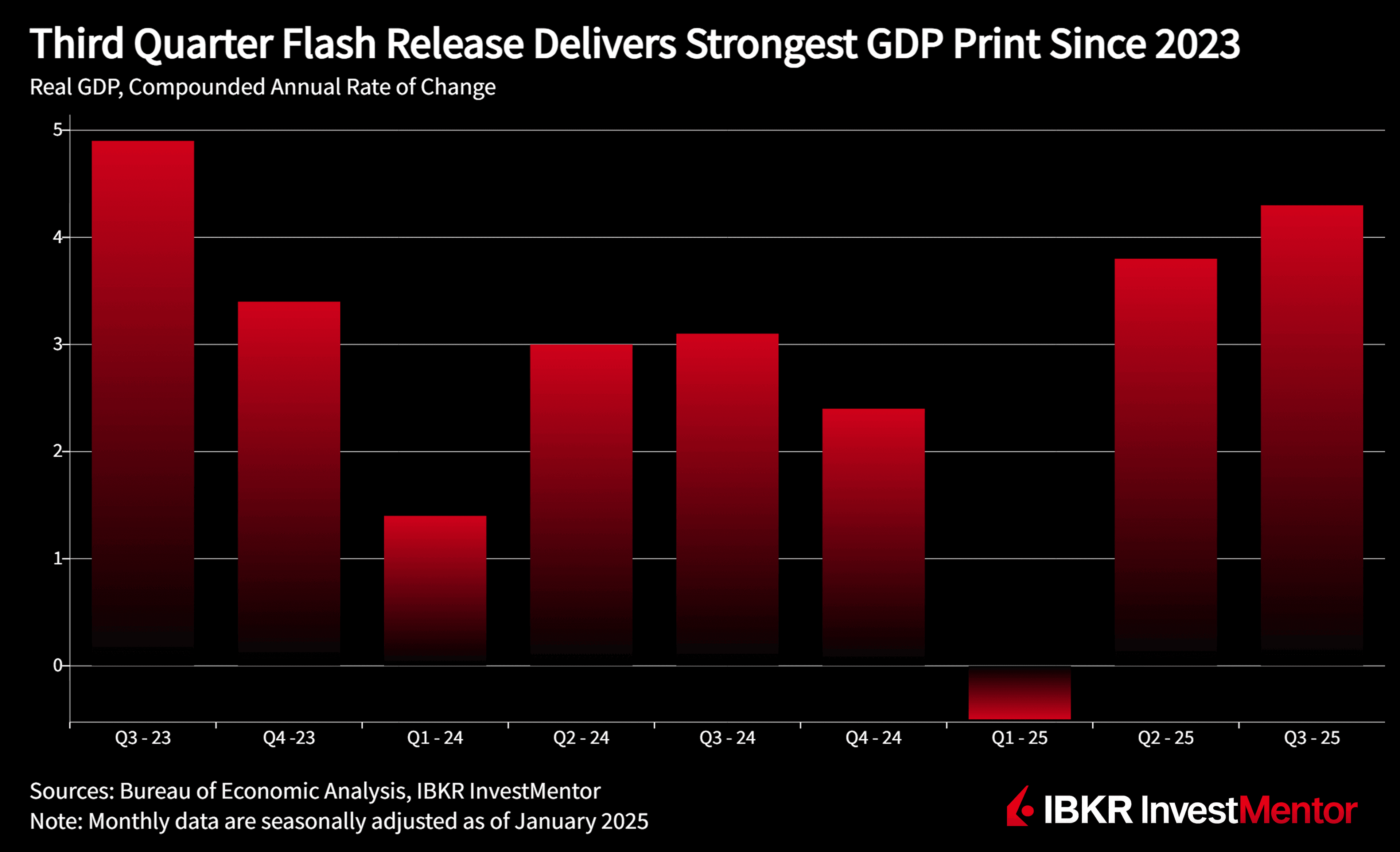
The updated estimate for third quarter 2025 GDP confirms that the broader economy was running hot heading into the autumn.
Real final sales to private domestic purchasers, a good gauge of underlying private demand that strips out inventories and trade, rose 2.9%. That is slightly softer than the prior estimate but still a solid pace.
From an industry angle, output increased 5.3% in private services and 3.6% in private goods producing industries, partly offset by a small decline in government value added. Overall real gross output rose 3.2%.
Overall, the data show an economy still growing at a healthy pace: incomes are rising, consumers keep spending even as the saving rate drifts lower, inflation is off its peaks but holding in the high-2% range, and output and corporate profits are strong.
For policymakers, that argues for caution, not urgency: growth and earnings are too solid for aggressive rate cuts, but inflation is no longer a crisis that demands more hikes.
For investors and businesses, the US consumer remains the key engine. As long as jobs and real incomes hold up, spending should keep supporting growth; the real questions are how long households can live with low saving rates and how smoothly inflation can be guided closer to 2% without knocking that engine off track.
Want to explore more? Download our free app to unlock expert news updates and interactive lessons about the financial world.