Commodities
Deadline Risk
President Trump’s Iran Countdown Leaves Markets in Limbo
4/7/20264/8/2026
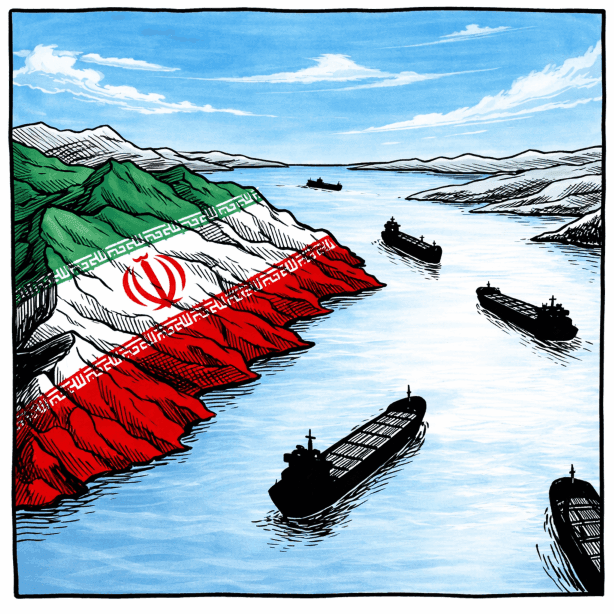
The US and Iran have agreed to a two‑week ceasefire, brokered by Pakistan, just hours before the deadline set by President Donald Trump. The deal includes reopening the Strait of Hormuz, a key shipping route that normally handles 20% of the world’s oil and liquefied natural gas (LNG) traffic.
The pause on the six-week-old war came after Trump threatened to destroy Iran’s “whole civilization,” targeting power plants and other key infrastructure. Israel, the US partner in this war, has agreed to stop attacks on Iran, but continues its operation against Lebanon.
Formal peace talks between the US and Iran are set to begin in Pakistan’s Islamabad on Friday.
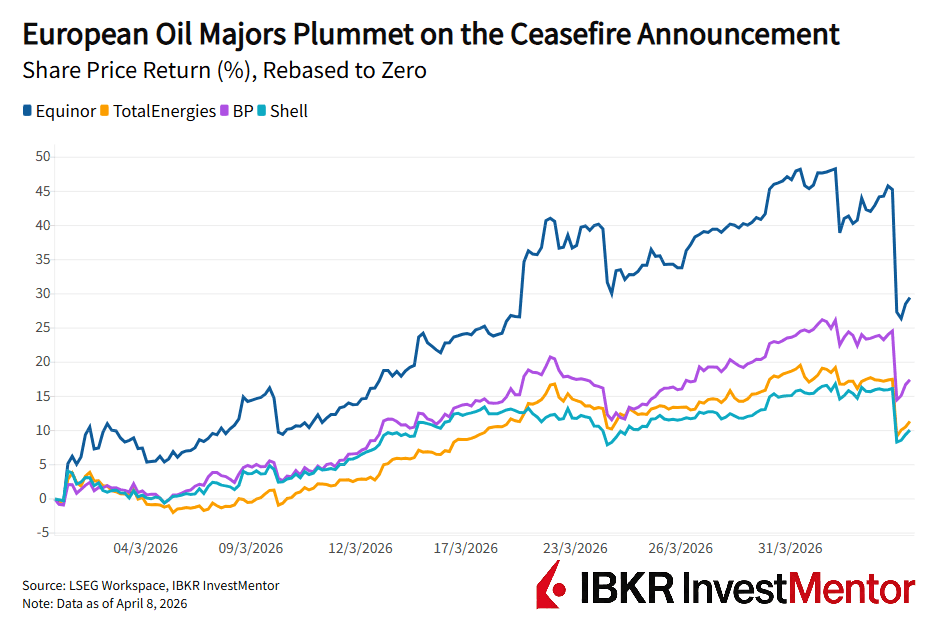
The energy markets instantly latched onto hopes of the global oil traffic returning to normal.
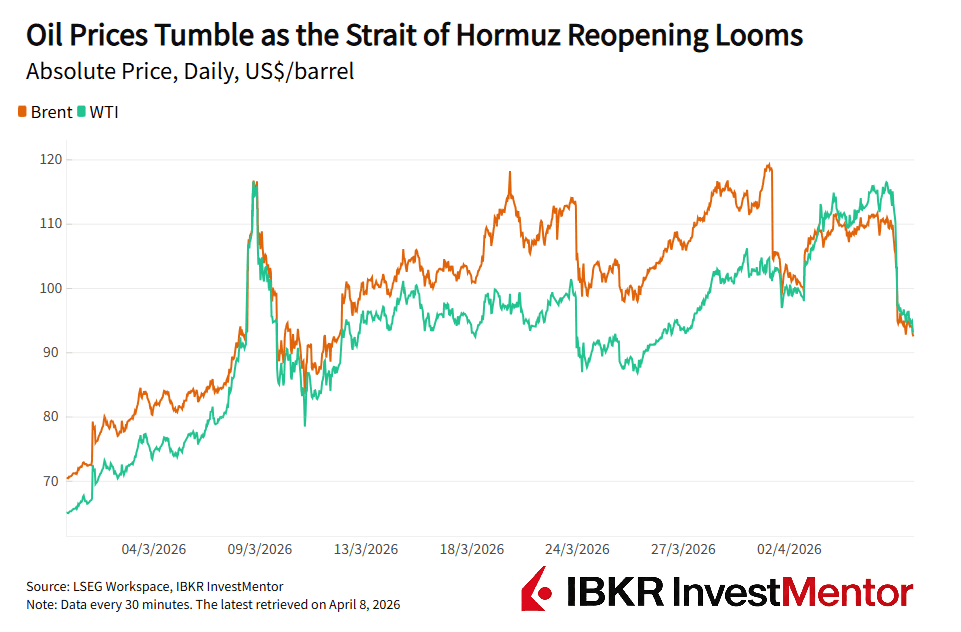
Reality check: Crude is still trading well above the pre-war levels of $72 for Brent and $67 for WTI. This oil shock is not over.
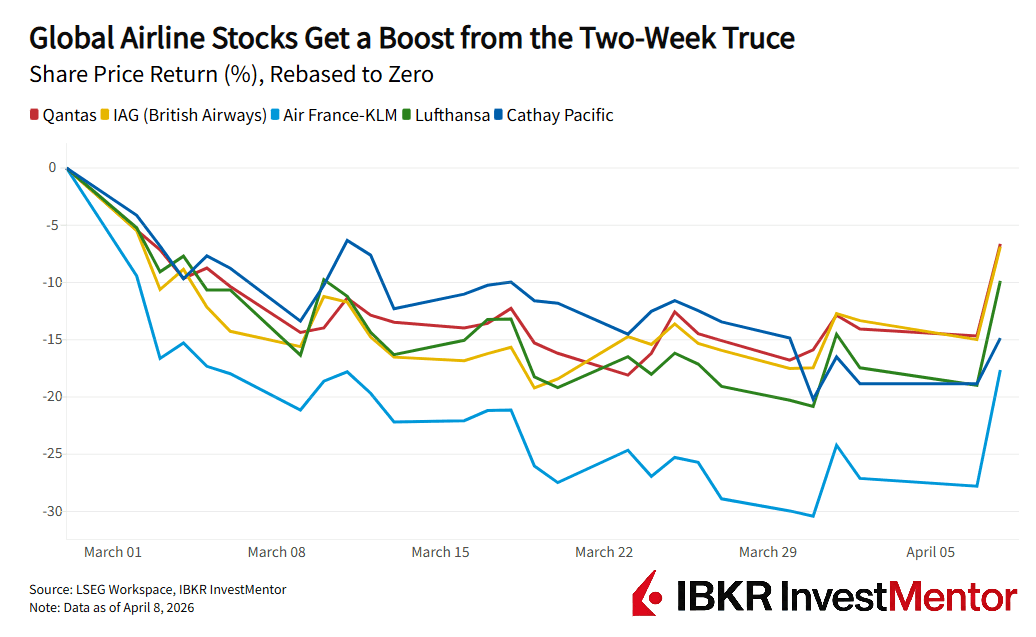
Outside energy, the tone flipped to risk-on, with investors piling money back into riskier assets.
The Strait of Hormuz remains largely impassable. Iran says it could open it in a “limited” way ahead of the Friday talks. If traffic is allowed to flow freely, around a thousand vessels stuck in the Gulf could leave.
But it is far harder to convince empty tankers to enter and load new cargo. Insurers, crews, and shipping firms all need clarity beyond a two-week ceasefire, which is not guaranteed to last. Shipping groups have said they are not changing routes yet and will continue to assess risks day by day.
President Trump has floated an idea of a “joint venture” with Iran, charging ships tolls to pass the Strait of Hormuz. Iran has already started doing that on its own, with some Chinese ships reportedly paying as much as $2 million to pass safely. But Iran and the US may struggle to find common ground on Friday’s talks:
Want to explore more? Download our free app to unlock expert news updates and interactive lessons about the financial world.