
Economy
Upstream Heat
Before It Hits Your Cart: Prices Are Climbing Upstream
3/18/20263/18/2026
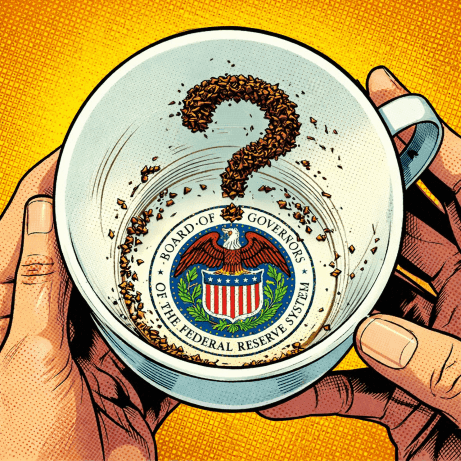
For almost two decades, the Federal Reserve, the US central bank, has tried to calm markets by being very clear about its thinking. Press conferences. Forecasts. Charts mapping out future interest rates.
Kevin Warsh, the likely next Fed chair, wants to unwind much of that approach. He thinks the Fed has gone too far, turning guidance into a promise the market expects to be kept. His argument: a central bank that explains everything risks locking itself into yesterday’s assumptions, even when the world changes fast.
Forward guidance is when the Fed tells markets how it expects interest rates to move in the future and how it views the economic conditions. It became popular after the 2008 crisis, when rates were near zero, and reassurance mattered. Since then, forward guidance has become a mainstay tool for most modern central banks.
The Fed under Warsh would likely reduce the use of this tool or abandon it altogether.
His core critique:
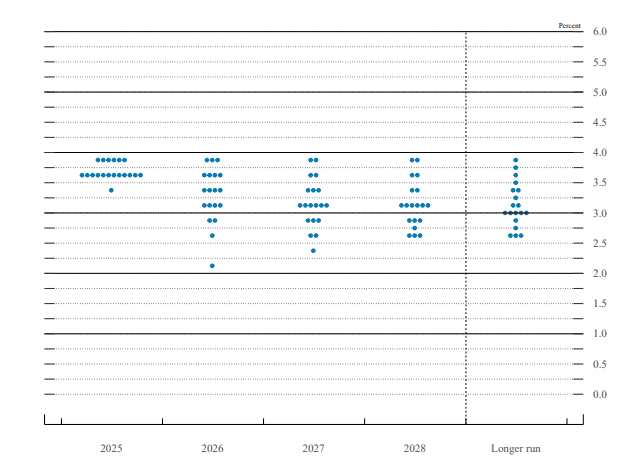
One key element of the Fed’s forward guidance that Warsh could potentially ditch is the dot plot. This chart shows where each Fed policymaker thinks interest rates might go over the next few years. Markets obsess over it, even though it’s not a plan or a promise. Instead, it’s a snapshot of the board members’ views at that moment.
Warsh has said in interviews that the Fed should keep its “cards a little closer to the vest.” Currently, the Fed publishes detailed expectations on inflation, interest rates, and the economy four times a year.
“I worry whether it constrains them from doing the right thing as different facts and events unfold,” Warsh said last year.
Warsh is also pushing for a smaller Fed balance sheet. He has long opposed repeated rounds of quantitative easing, the bond‑buying programs during the great financial crisis after 2008, and again during the pandemic. While he supported emergency action during crises, he has argued that those tools stayed in place for too long.
Warsh has warned that:
Warsh is supposed to replace Jerome Powell as the new Fed chair on May 15. His confirmation has been delayed due to a Republican senator opposing the ongoing criminal investigation into Powell.
So, what happens if Warsh is confirmed and he chairs the June meeting, amid a global oil shock and renewed inflation pressures?
If he sticks to his principles of a smaller balance sheet and fewer predictions, the Fed’s overall influence over the markets could somewhat diminish. But one-off moves could be sharper than before, whenever the Fed announces a rate decision or key economic data is released.
Want to explore more? Download our free app to unlock expert news updates and interactive lessons about the financial world.