
Economy
Vanke Woes
Debt Drama Puts China’s Property Market on Edge
12/15/202512/16/2025

Nasdaq is taking its first formal step toward round‑the‑clock trading, filing with the securities regulator SEC to expand US stock and ETF trading to 23 hours a day, five days a week. The one-hour break would be reserved for maintenance and clearing.
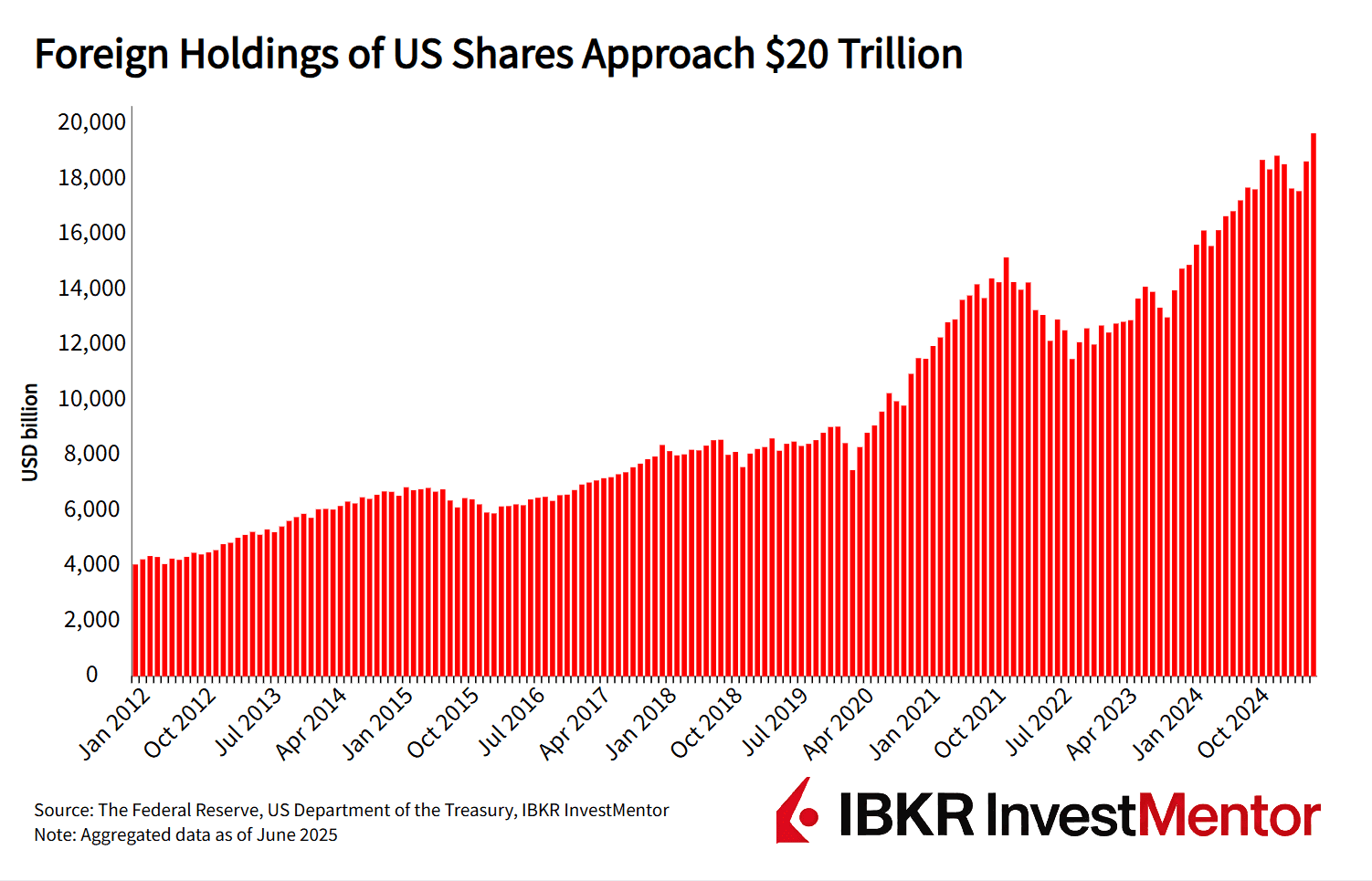
The decision reflects global demand for US equities, held by investors across every time zone. Foreign ownership of US equities has climbed to almost $20 trillion. US equities make up about two-thirds of the overall market value of all listed shares globally.
Other big American exchanges, including NYSE and CBOE, have made similar moves applying for longer hours, and an entirely new player — 24X National Exchange — is also trying to break into the market of continuous trading.
Nasdaq expects to obtain regulatory approvals and complete the required technology upgrades next year. The central clearing hub, the US Depository Trust and Clearing, is rolling out non-stop clearing for stocks by the end of 2026.
Today’s three‑part schedule — pre‑market, regular hours, after hours — already adds up to 16 hours of trading. Nasdaq’s new plan splits the day into two long sessions:
Extended hours aren’t new, but demand has surged as investors in Asia, Europe, and the Middle East seek to react to news and trade US stocks without waiting for New York to wake up.
Today, they rely on alternative trading systems, like Blue Ocean, where liquidity is patchy. Many retail brokerages also offer 24/5 trading on selected stocks.
Nasdaq wants to bring that activity onto its main exchange, saying this will increase price transparency and surveillance, offering global investors a unified order book.
Longer hours offer flexibility, but they also come with new risks and added volatility. Overnight trading usually has thinner liquidity and wider spreads, meaning prices can move sharply, increasing trading costs.
For example, a company reporting earnings after the closing bell often sees a big price swing in the extended hours. But once regular trading hours kick in, the moves tend to moderate, with more traders buying and selling.
Some banks and brokerages fear that the shift to nearly non-stop trading is costly, with investments needed in technology and staff.
The most consequential market change ahead may not be the longer trading hours — it’s the potential end of mandatory quarterly reporting in the US. This could lift regulatory pressures on companies but reduce transparency.
Regulators are weighing a switch to a semiannual model, similar to the EU, where companies must publish annual and half‑yearly reports but aren’t required to issue quarterly updates. Yet most multinationals still report every three months to satisfy global investors. If the US aligns with the EU and the UK, that norm could shift.
Other reforms, like blockchain-based tokenized stocks, are also in the pipeline for big stock exchanges.
Non‑stop trading is almost here, but not everyone is convinced it’s a good idea. Some see flexibility and global access, but others worry about thin liquidity and overnight volatility.
Want to explore more? Download our free app to unlock expert news updates and interactive lessons about the financial world.