
Markets
Crisis in Iran
How a Currency Crash Threatens Iran’s Regime
1/9/20261/13/2026
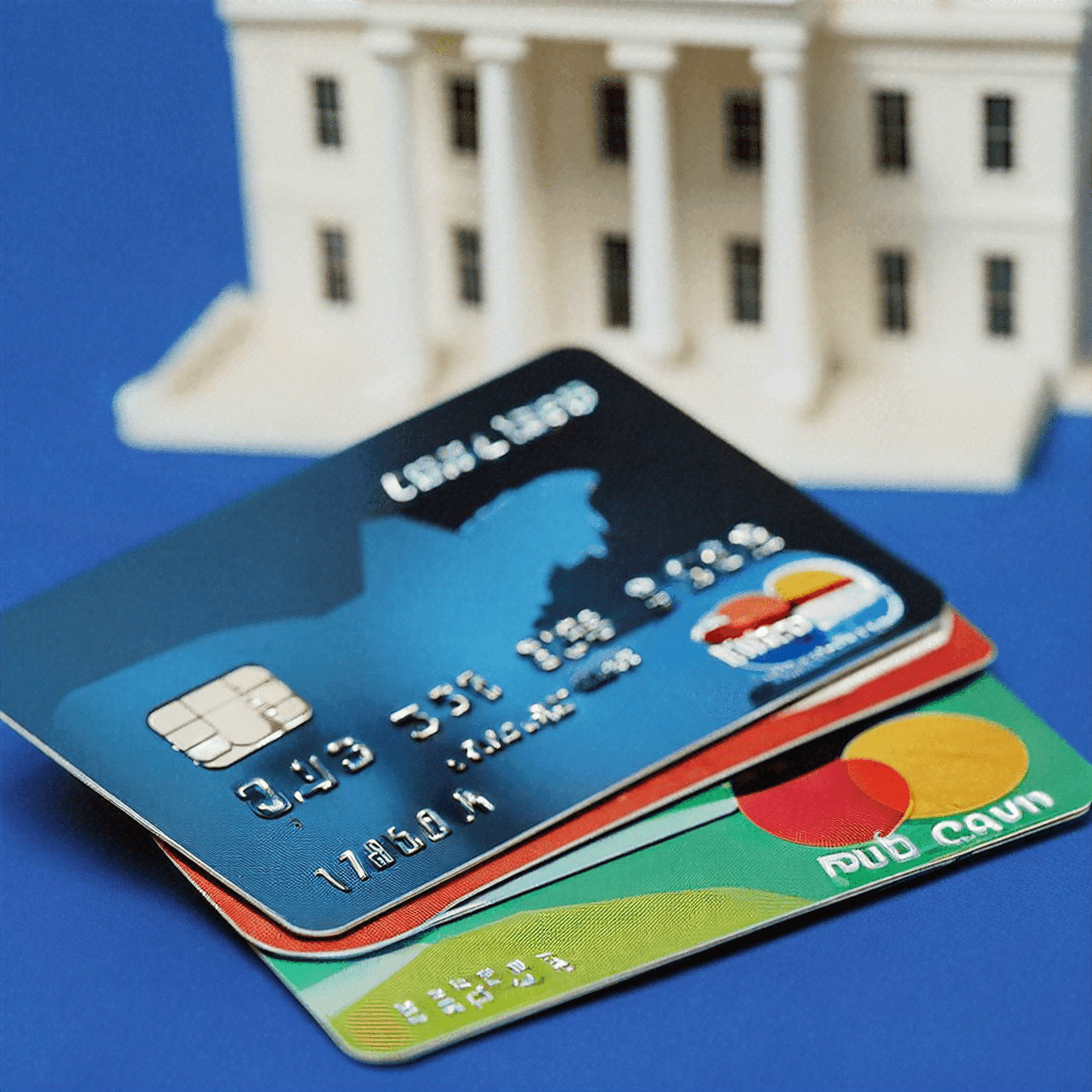
The White House announced on January 10, 2026 that he is calling for a one-year cap on credit card interest rates at 10%, effective January 20, 2026 (the anniversary of his second inauguration). While often described as a "credit card fee cap," this proposal actually targets the interest rates (APRs) that card issuers can charge borrowers, not the interchange fees that merchants pay on transactions.
Under the proposal, credit card interest rates would be capped at 10% APR for one year—distinct from interchange fees (the "swipe fees" merchants pay, typically 1.5%–3% of transaction value). As of January 2026, average credit card interest rates stand at approximately 19.7% to 23.8% depending on the source, with rates for subprime borrowers and store cards often reaching 28-36%. A 10% cap would represent more than a 50% reduction from current average rates. The policy would require congressional legislation or regulatory action, as the president does not have unilateral authority to impose such a cap, though US President Donald Trump stated companies would be "in violation of the law" if they don't comply by his deadline.
Supporters argue that current rates—which have climbed from 15% pre-pandemic to 20-24% today—impose unsustainable burdens on the 60% of cardholders carrying balances, with Americans assessed $160 billion in interest charges in 2024 alone, and they point to successful rate caps in France and Germany as evidence that consumer protection and functional credit markets can coexist.
Critics respond that rate caps would force lenders to stop serving higher-risk borrowers who cannot be profitably served at 10%, potentially pushing consumers toward less-regulated alternatives like payday loans, and they cite Arkansas's 17% cap as evidence that strict limits may cut off lower-income individuals from credit markets while arguing that market competition provides the most effective path to affordable credit.
A 10% cap would provide substantial financial relief to the 175 million Americans with credit cards while requiring banks to fundamentally restructure their business models. The policy presents a tradeoff between affordability for current cardholders and credit availability for higher-risk borrowers, particularly those with credit scores below 600. With significant uncertainty around enforcement mechanisms and whether 10% represents a negotiating position, the key question is whether this becomes workable legislation or serves primarily as political pressure to encourage industry compromise.
Want to explore more? Download our free app to unlock expert news updates and interactive lessons about the financial world.