
Companies
Cancer Gamble
Pandemic Star Moderna Is Back with a New Shot
8/19/20268/27/2026

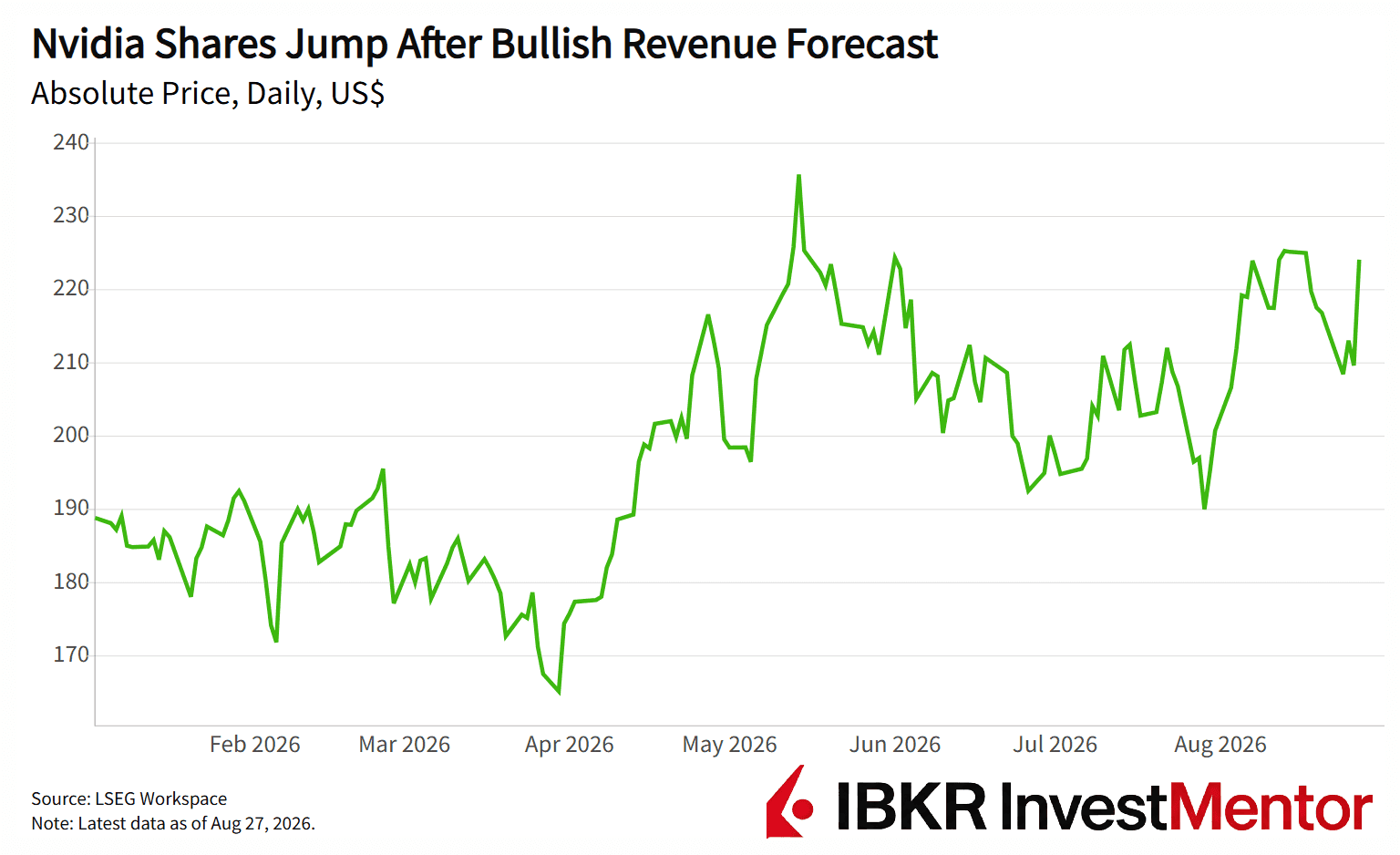
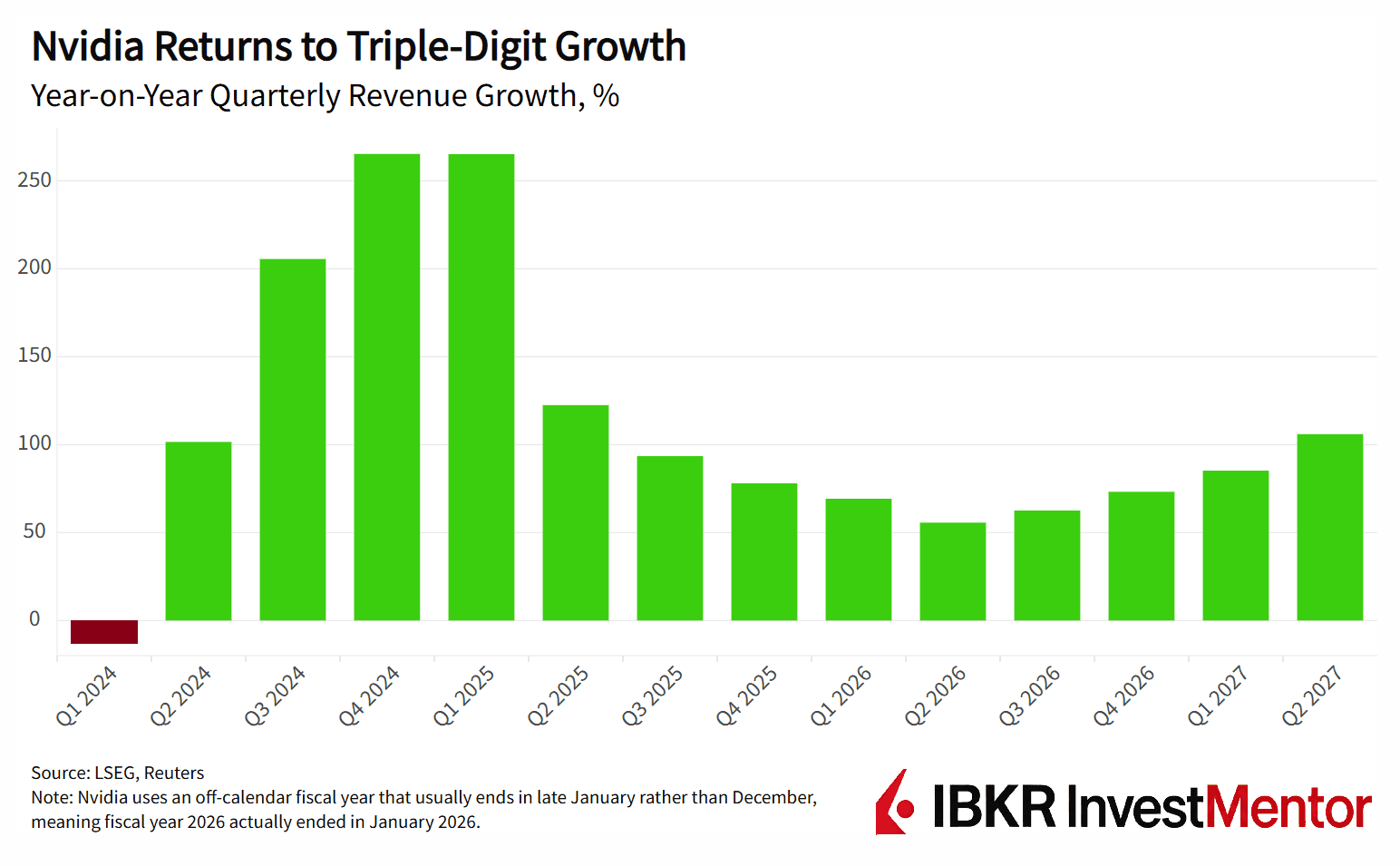
Nvidia's quarter was absurdly large, as usual. But the real reason why the chip titan’s shares surged more than 7% in early trading on Thursday was the surprise forecast: Nvidia expects sales to grow 70% next fiscal year, breezing past analysts’ expectations of just 44%.
It has never issued guidance this specific so far in the future. But perhaps Nvidia grew tired of beating predictions quarter after quarter, with no reward from the investors. In five of the last six quarters, the company's shares have slumped despite blockbuster earnings. Expectations are sky-high for the world’s most valuable company.
Quarterly wrap-up:
Nvidia is arguably the beating heart of the AI boom. Its earnings have become the market's favorite metric to measure the health of the nascent industry.
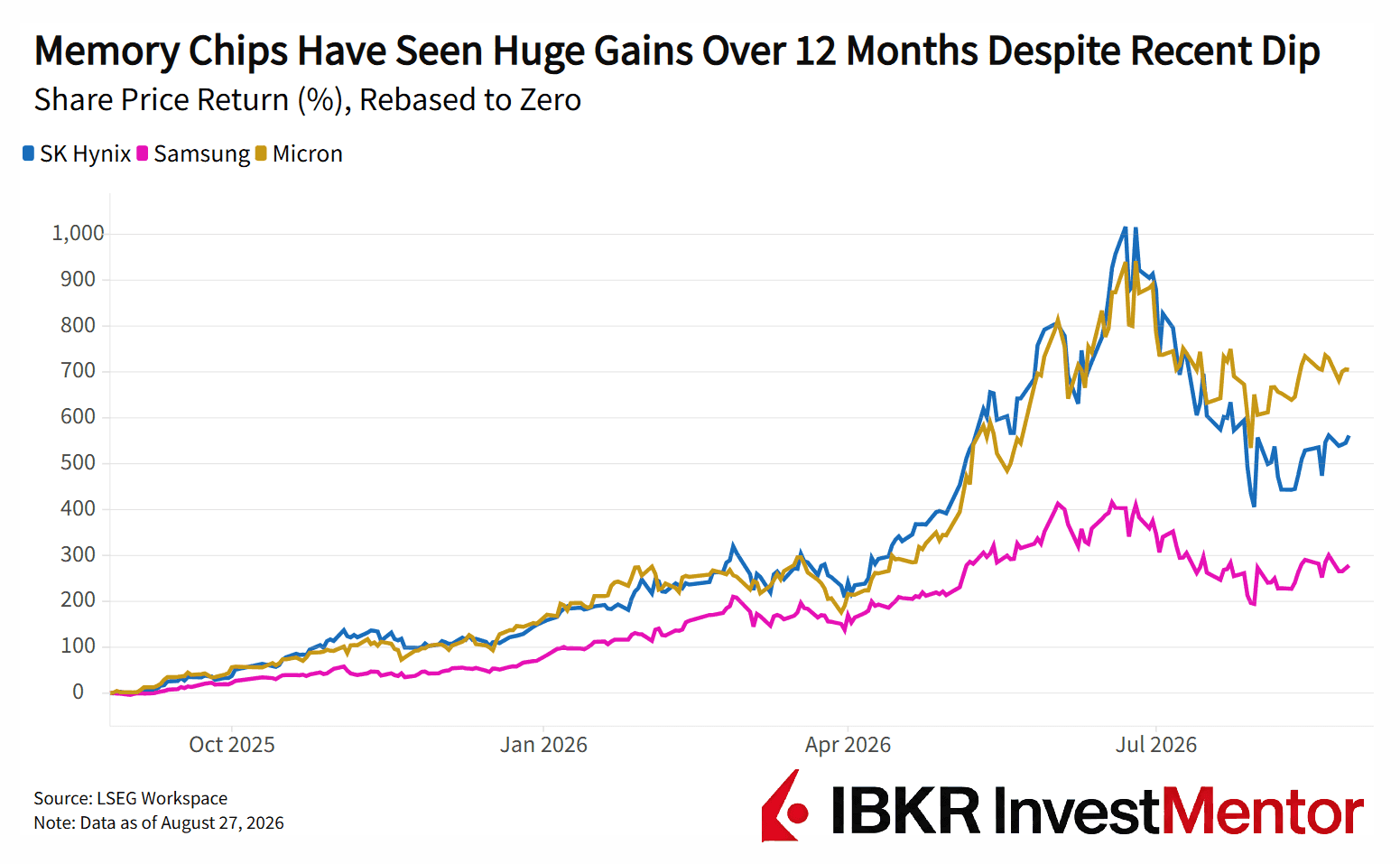
Why? Because nearly every major AI player uses Nvidia’s chips and its Cuda programming platform. OpenAI, Anthropic, Amazon, Microsoft, startups, and governments are racing to build AI infrastructure. Even Google, which is trying to promote its own line of TPU chips, is still heavily reliant on Nvidia. And then there’s the infrastructure that supports Nvidia: giants like chip foundry TSMC (which actually makes Nvidia’s chips), lithography-machine maker ASML, and memory chip manufacturers like Micron, SK Hynix, and Samsung.
This earnings report suggested the boom is still alive and well. Nvidia CEO Jensen Huang even said the demand is “accelerating” and that the “AI infrastructure buildout is at full steam.”
One controversy is shadowing Nvidia's results: is the company subsidizing its own demand? The accusations have become so loud that the Chief Financial Officer Colette Kress decided to address them point-blank.
“We recognize the scale of this support, and we know some will call this circular financing. We see it differently,” she said on the earnings call, adding that all its investments will be “excellent” with limited risk.
Nvidia has invested in customers like OpenAI and Anthropic, offered revenue-sharing arrangements, backed financing deals, and pledged support for huge AI infrastructure projects. Recently, it joined a financing initiative intended to mobilize hundreds of billions of dollars for AI buildouts.
Another problem Nvidia faces is one that most companies would love to have: too much demand. CFO Kress said demand could double next year, but Nvidia remains supply-constrained. In plain English: customers want more AI chips than Nvidia can provide.
The biggest issue is advanced memory chips, which Nvidia has to buy elsewhere. There is a worldwide shortage, and the prices are surging. Dynamic random-access memory (DRAM) used by AI servers doubled in price in the first quarter of 2026 alone, and will likely quadruple for the full year, according to Deloitte.
This is hitting Nvidia’s (mind-bogglingly high) margins, too. While gross margin inched up to 75% last quarter, it could fall to 71% early next year, Nvidia predicts.
Nvidia has one big problem: China. It used to dominate the world’s biggest semiconductor market, with a 95% share of advanced chips. But that vanished when the US banned China from buying cutting-edge chips back in 2022.
Washington has loosened restrictions, giving firms like Alibaba, Tencent, and TikTok-parent ByteDance permission to buy some advanced Nvidia chips. But China turned the tables, blocking the deals for months. The US Commerce Department says the shipments have finally begun, but slowly. Nvidia did not include Chinese data center revenue at all in its outlook.
For China, the priority is helping domestic companies, like Huawei, to develop their own chips. Morgan Stanley expects China’s AI chip market to hit $67 billion by 2030, with 86% dominated by domestic players.
Want to explore more? Download our free app to unlock expert news updates and interactive lessons about the financial world.