
Tech
China's AI Sprint
Chinese Chatbots Gallop Ahead
2/17/20262/19/2026

European Central Bank President Christine Lagarde has scrambled to douse speculation about her exit, after the Financial Times reported she would leave before the April 2027 French presidential elections. Her term is officially ending in October 2027.
The ECB says no decision has been made, and Lagarde assured her colleagues she remains focused on her job. She also gave an interview to the Wall Street Journal, saying the “_baseline_” is that she stays the full term.
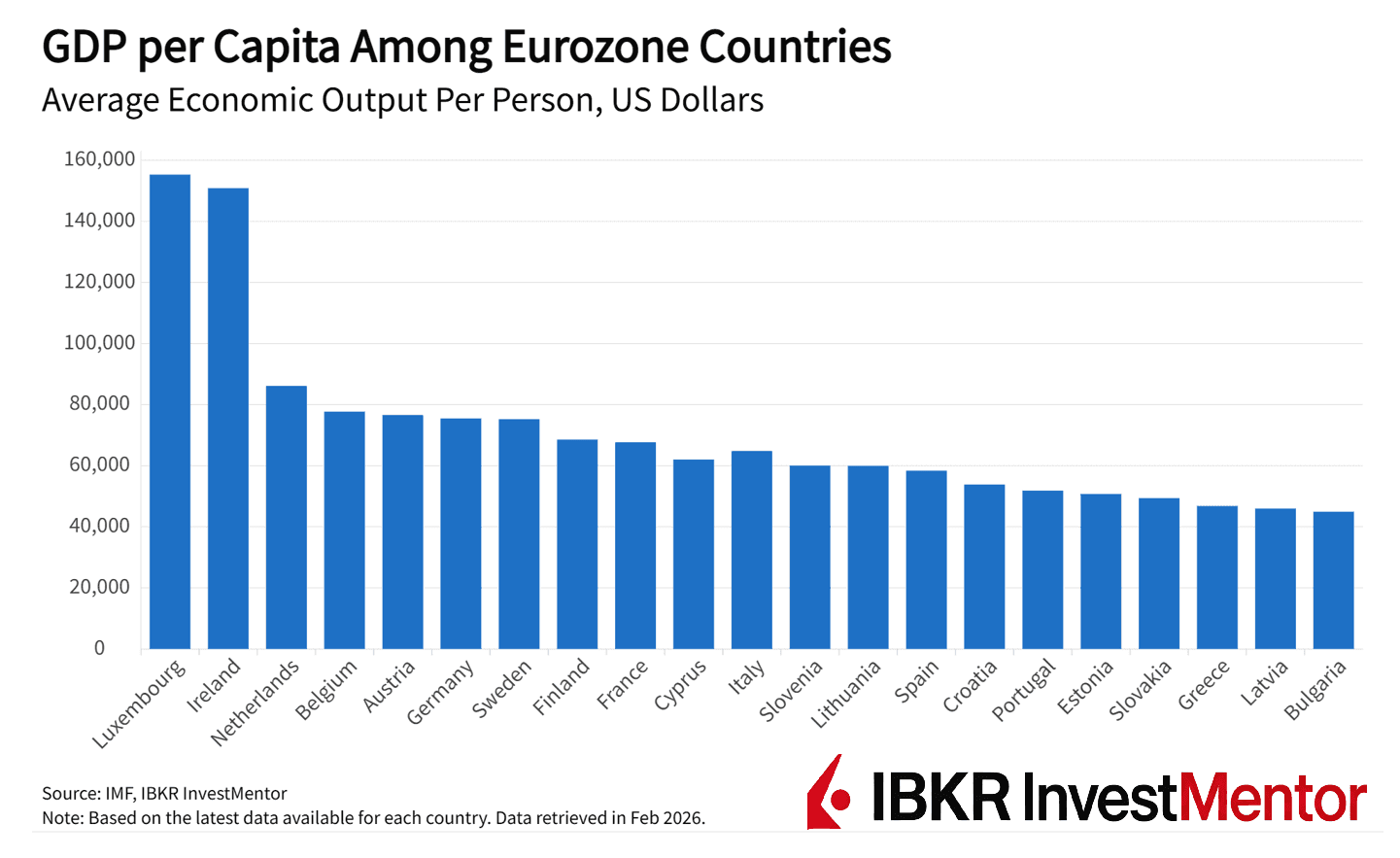
The ECB oversees the monetary policy of the entire eurozone, consisting of 21 countries of varying needs.
Lagarde's eventual departure will open a rare vacancy at the heart of Europe’s monetary system. This is reportedly why she considered an early exit. If EU-critical leaders were to take power in France or Germany, the appointment process for her successor could become gridlocked.
Before Lagarde's public denial, the plan faced criticism of political motivations.
Central bank independence has already been debated in the US after the White House opened an investigation into outgoing chair Jerome Powell. The Bank of France governor quit earlier this month, allowing President Emmanuel Macron to pick his successor.
Choosing an ECB president is a multi‑step political negotiation.
Key facts:
Because 21 eurozone governments must align, the recruitment process blends economics, diplomacy, and regional balance.
Germany is the eurozone’s largest economy, yet it has never held the ECB presidency. That has been an unwritten rule to avoid fears of Bundesbank dominance.
But the landscape has changed since the ECB was established in 1998. The bank is more mature, consensus‑driven, and less defined by national stereotypes. Berlin has abandoned its long-standing "debt brake" and is generally less rigid in its economic approach.
A German candidate could be harder to sideline this time.
The early shortlist is taking shape.
All bring a different tone, but none are seen as radical disruptors.
Whether the power shift happens in October 2027 or earlier, the new ECB chief will inherit a complex landscape: Inflation has cooled, but fiscal policy is loosening across Europe. AI investment and surging defense spending are reshaping demand. And political volatility — from France to Germany to the European Parliament — will test the ECB’s independence.
Want to explore more? Download our free app to unlock expert news updates and interactive lessons about the financial world.