Markets
HK IPO Surge
How Hong Kong Outran Wall Street in the IPO Race
1/2/20261/5/2026
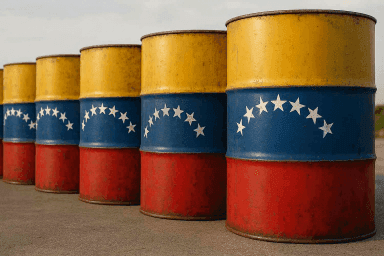
The US ordered air strikes on Venezuela and captured President Nicolás Maduro and his wife in a special forces operation on Saturday. The photo released by the White House showed blindfolded Maduro transported by a US military vessel to New York to face charges of weapon and drug offences.
While the initial market reaction has been calm, the toppling of Maduro is likely to have far-reaching consequences, especially on oil — of which Venezuela has the world’s largest proven reserves.
US President Donald Trump said American companies would invest into Venezuela to upgrade its oil infrastructure, while the US would “run the country” until a proper transition of power.
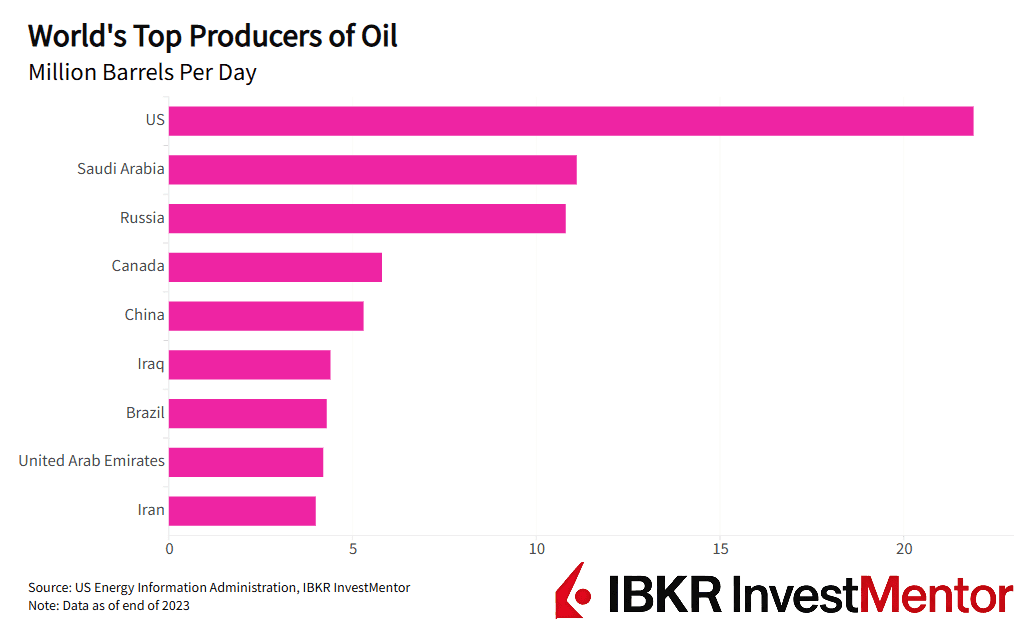
Thanks to the shale oil boom, the US has been the world's largest producer of oil since 2018. So, why would it want Venezuelan crude?
Think of crude oil as a spectrum rather than just barrels of unvaried sludge. On one end, you have light sweet crude, like the US shale oil or North Sea Brent. It’s thin like olive oil and low in sulfur. It is easy to turn into gasoline and comes with a higher price tag.
On the other end is Venezuela’s specialty: heavy sour crude. This is thick like molasses and packed with sulfur. Expensive, specialist refineries are needed to process the gloopy stuff, but with the right equipment, you can turn it into high volumes of diesel, jet fuel, and asphalt — materials that power global shipping and construction.
The US is both a top importer and exporter of crude. It’s been a net exporter since 2020, yet it still buys huge volumes of oil. Why? A hardware legacy.
Before the shale boom, the US feared running out of “easy” light oil. Companies upgraded their refineries to be able to process the heaviest, highest-sulfur oils sold on earth.
Those costly 1990s–2000s investments still dictate today’s strategy: sell premium light crude abroad, and run cheaper and trickier heavy crude through complex refineries to make high‑margin products.
Quick fact: It’s nearly impossible to gain permits to build a new refinery in the US, and oil companies are wary of the rise of electric vehicles and green energy. No new major facility has been built since 1977!
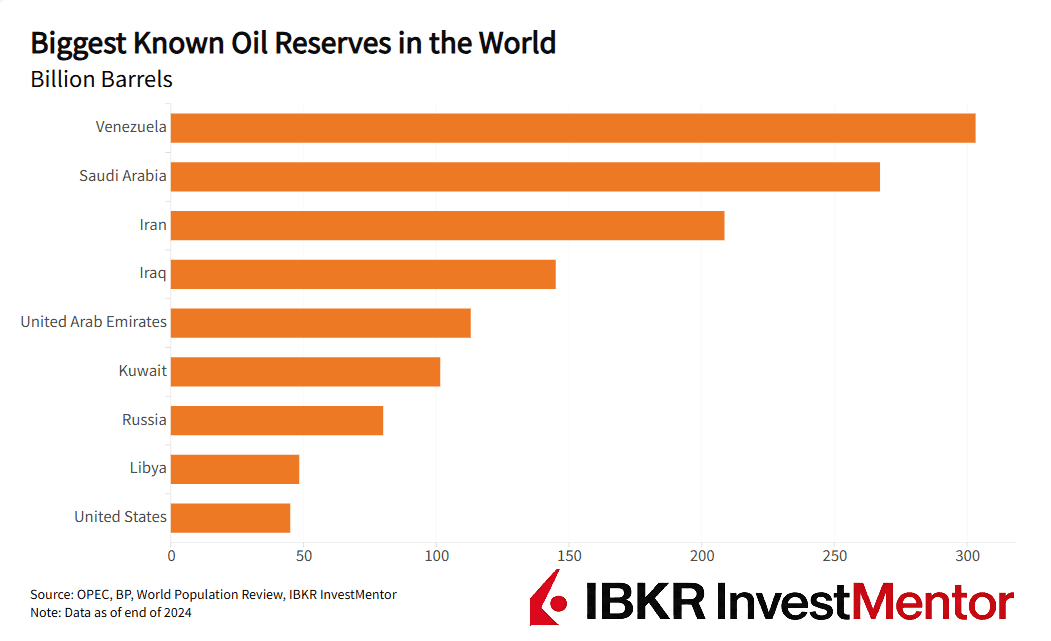
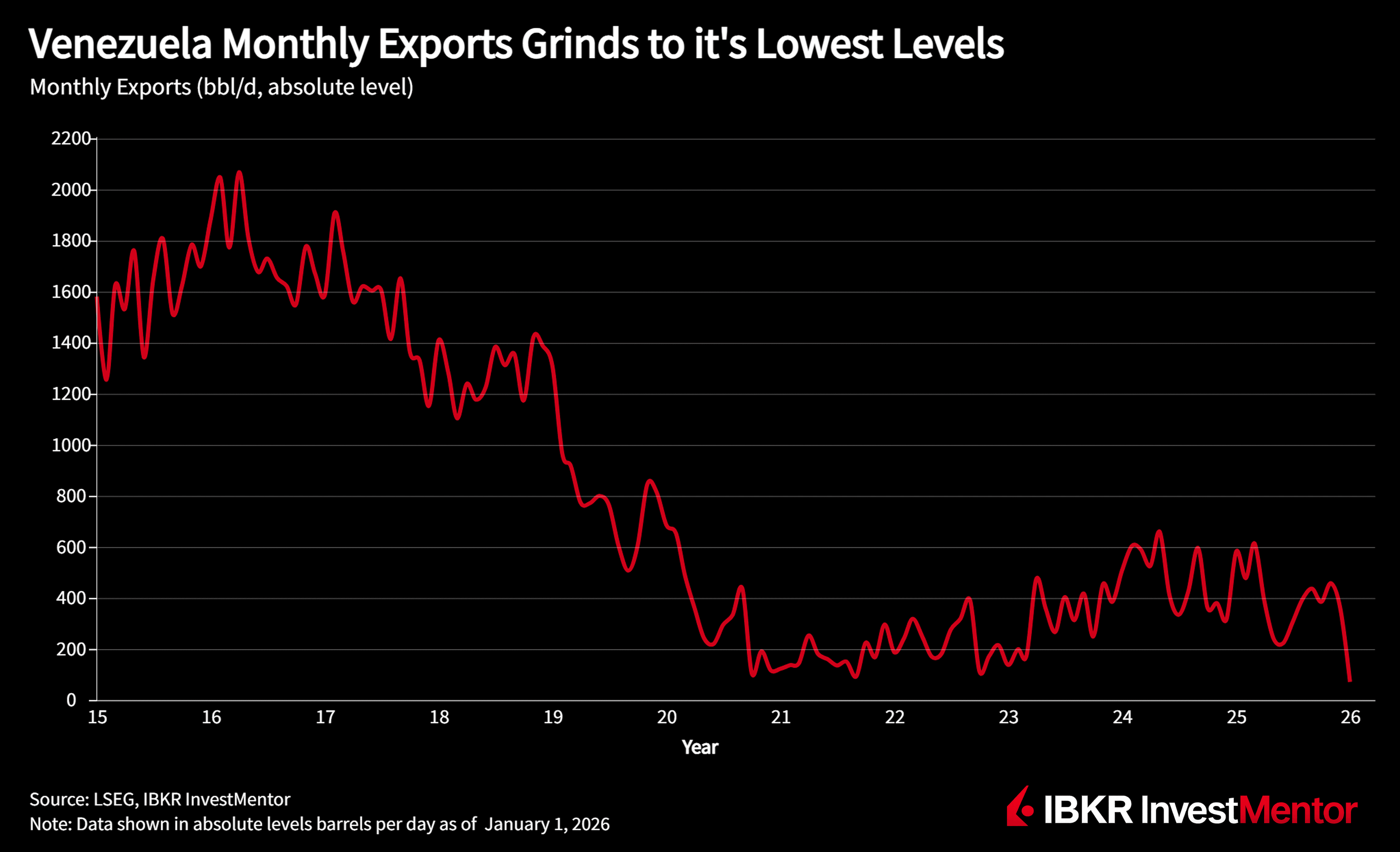
Venezuela holds around 17% of the world’s known oil reserves, yet output has collapsed to about one million barrels a day — just 1% of global supply, down from three million in the early 2000s.
Before the US export embargo and the latest attack, most of this was used locally or exported to China.
Ramping up production would take years and billions of dollars’ worth of investments.
First, the White House needs to convince companies that their capital is safe. With Venezuela’s political future uncertain after Maduro, that’s a hard sell. Chevron is the only American company still operating in Venezuela, with a license from the US Treasury. Oil giants like ExxonMobil and Conoco Phillips have been bruised in the past.
Learn the Lingo of Oil Markets
Because heavy sour oil is harder to process, it usually sells for less than the light sweet variety. This price gap is called the sour differential. If the US takes control of Venezuelan oil, it secures a massive supply of this "discounted" oil.
If American companies are successful at upgrading Venezuelan oil operations, this may increase the sour differential as more of the “sludge” will flow to the market, pressing prices down. This could hurt other heavy sour exporters, for example Russia and Canada.
The crack spread tells investors exactly how much profit a refinery makes for every barrel it "cracks" open, turning raw ingredients into finished products like gasoline and diesel.
The US is targeting a wide crack spread for its refineries: buying Venezuela’s cheap heavy crude while selling the refined diesel at full global prices.
In 2003, oil prices carried a war premium. When the Iraq invasion began and the worst outage fears faded, prices fell, then later rose as attacks on pipelines slowed the country’s recovery.
Venezuela is the opposite. Years of decline and sanctions have already cut output, so there’s no fear premium to unwind, and oil benchmarks Brent and WTI have stayed calm. Iraq's oil was largely lighter and easier to refine, as opposed to Venezuela's heavy crude.
The question now is how much heavy oil could return to the market.
Iraq’s challenge was physical — restoring security and rebuilding infrastructure. Venezuela’s is financial and legal — lifting sanctions, offering terms investors can trust, and settling old claims. If its output grows, the first signs will appear in the price gap between crude types and in refinery margins, not in a sharp move in the main benchmarks.
Want to explore more? Download our free app to unlock expert news updates and interactive lessons about the financial world.