Companies
Buyback King
How Share Buybacks Have Helped Apple Stay in the Game
7/17/20267/21/2026
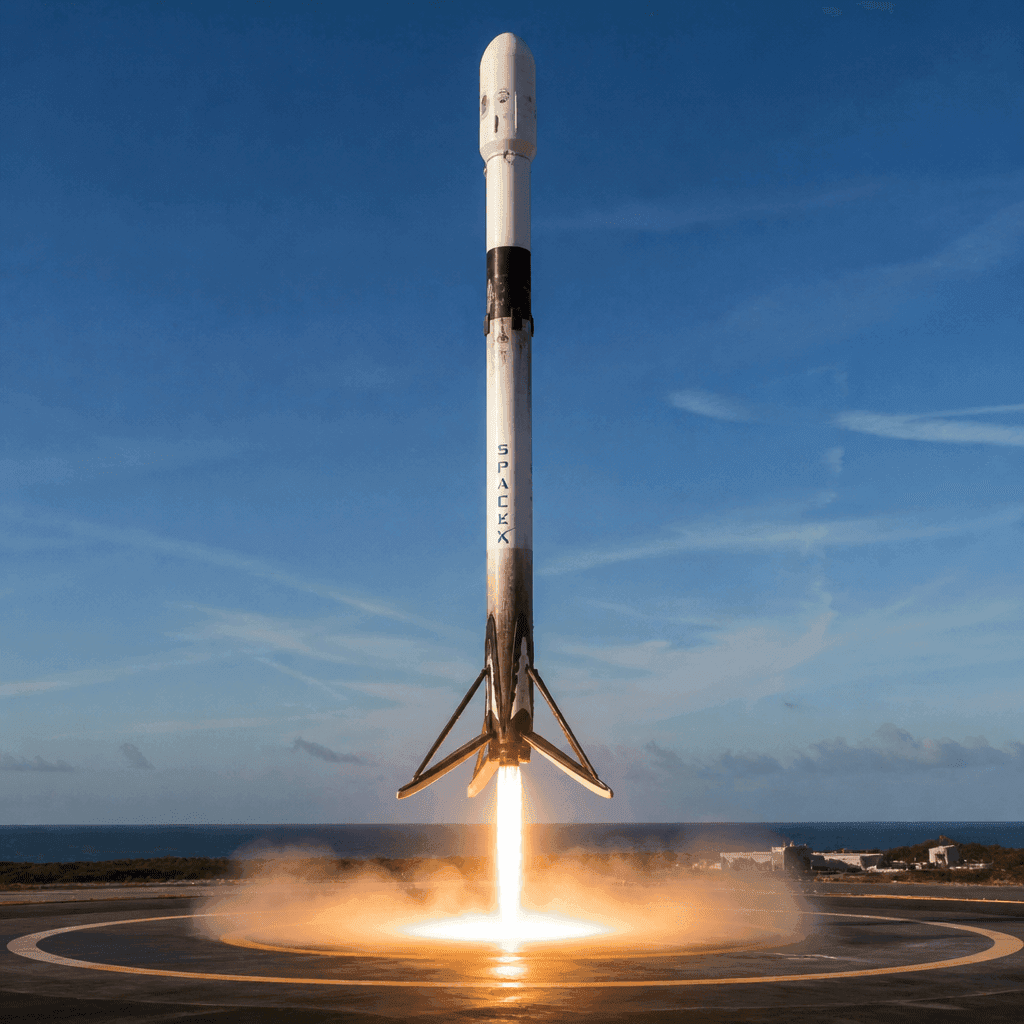
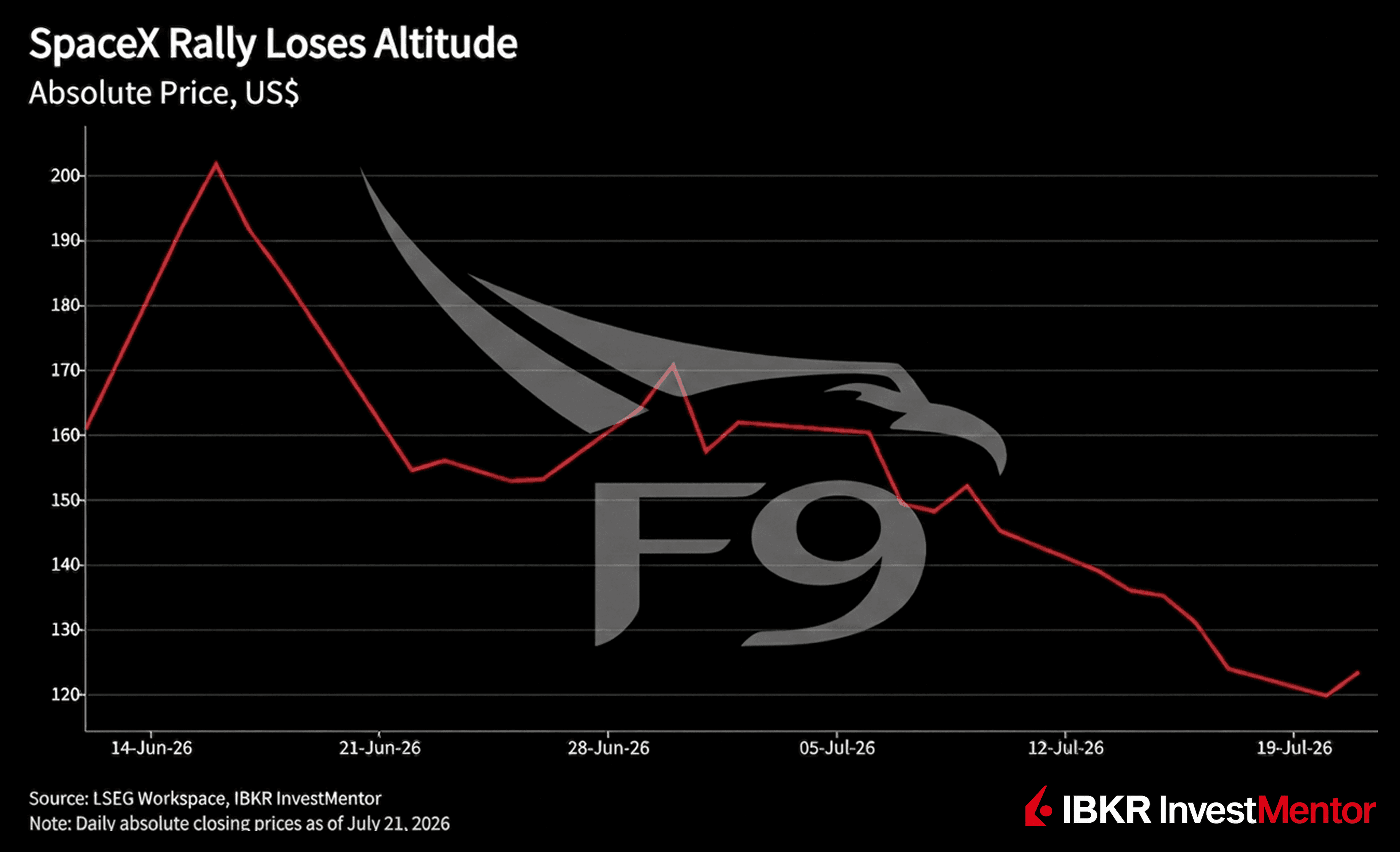
Elon Musk's rocket and satellite company SpaceX has slipped below its $135 initial public offering (IPO) price, just over a month after the company’s June 12 debut. The shares fell as low as $132 on Tuesday after reaching as high as $226 during its post-listing rally.
SpaceX IPO was the largest on record, raising $86 billion. Its valuation briefly peaked at nearly $2.7 trillion. On Tuesday, the market cap had plunged to $1.6 trillion as investors took profits, questioned the stratospheric valuation, and braced for more shares potentially hitting the market.
Once the first wave of IPO excitement faded, SpaceX entered a more difficult phase. Early buyers had gains to protect, while new investors had to decide how much future growth they were willing to pay for.
That tug-of-war is called price discovery in real time. New public stocks often trade on limited supply and heavy demand at first. Then the market gets messier as more investors weigh in, short sellers test the valuation, and early holders decide whether to cash out.
The company's staggered lockup period will soon start to unwind, too. The lockup period prevents company insiders and early investors from selling their shares right away. The first 20% batch of employee and early-investor shares will become sellable two trading days after SpaceX's first earnings report as a public company, scheduled for August 4.
SpaceX does more than launch rockets, and that's reflected in its valuation. Its businesses also include Starlink's satellite internet network and artificial intelligence firm xAI. Ahead of the IPO, SpaceX acquired xAI, bringing in chatbot Grok and social media platform X (formerly Twitter). The merger is supposed to speed up development of orbital data centers.
All these businesses are ultimately controlled by Elon Musk, giving investors exposure to several of his ventures through a single stock.
Running a loss-making space-tech conglomerate requires a lot of funding. Soon after listing, SpaceX raised $25 billion via a bond sale, and it's selling computing power at its data centers for billions to companies like Anthropic and Reflection AI. At the same time, SpaceX is trying to leverage its high valuation. Soon after the IPO, it said it would acquire AI coding company Cursor for $60 billion in an all-stock deal.
SpaceX’s early trading was shaped by scarcity. CNBC reported that only about 5% of the company’s roughly 13 billion shares were initially available to trade, with most insider shares still locked up. KeyBanc estimated that about 11% of shares could become eligible for sale around second-quarter earnings.
That potential supply is landing at a sensitive time. Short sellers have already built positions against about 185 million shares, or roughly 29% of the tradable float, as the stock hovers near its IPO price.
The company still has a powerful long-term pitch. But the stock now has to absorb profit-taking, possible insider sales, and bearish bets without the scarcity and excitement that drove its first days of trading.
Want to explore more? Download our free app to unlock expert news updates and interactive lessons about the financial world.