
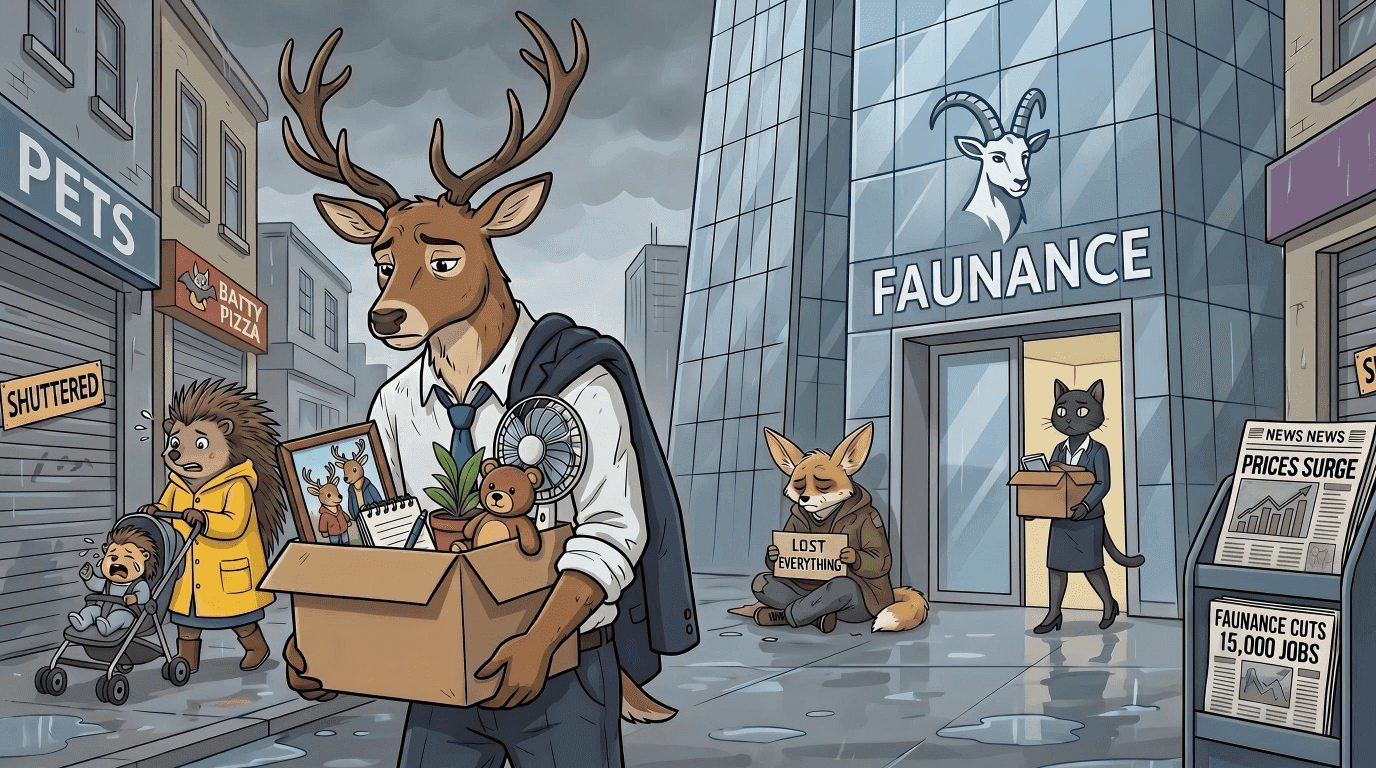
Stagflation describes an economy under pressure from three problems at once:
This mix is unusual because inflation typically shows up when growth is strong and the job market is thriving, with wages rising alongside demand. The word “stagflation,” a blend of stagnation and inflation, entered public debate in the 1970s, when oil shocks drove up energy prices in the US and Europe even as economic growth stalled.
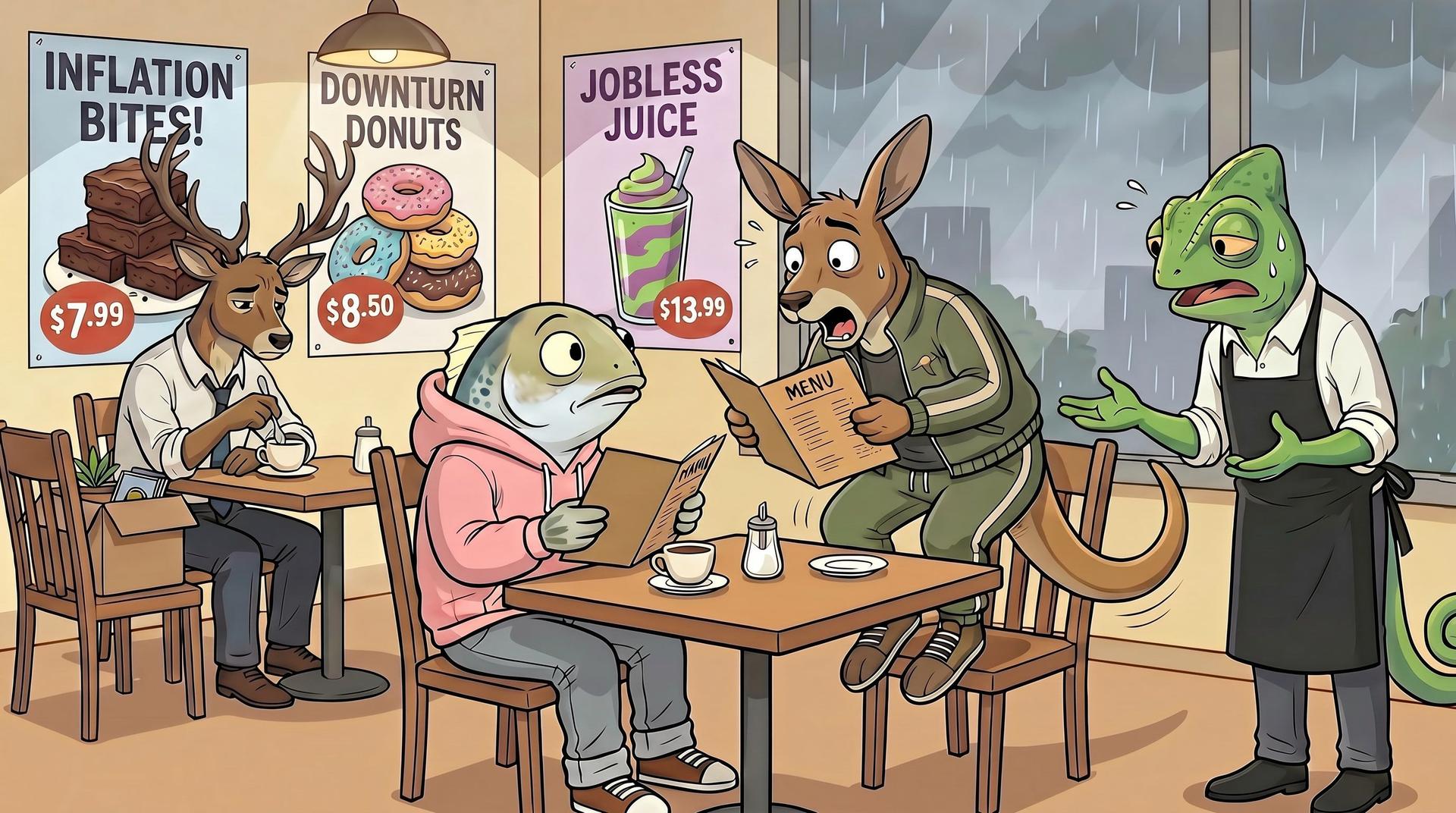
Stagflation hits households on more than one front. Prices keep rising, so everyday expenses like food, fuel, and rent take a bigger share of income. At the same time, wage growth slows and jobs become harder to find as companies cut back.
Unlike a typical boom‑and‑bust cycle, people do not get relief on either side. Higher prices are not offset by stronger pay. A weaker job market means less bargaining power and more insecurity. For workers and consumers, stagflation hurts because they’re paying more while earning less.

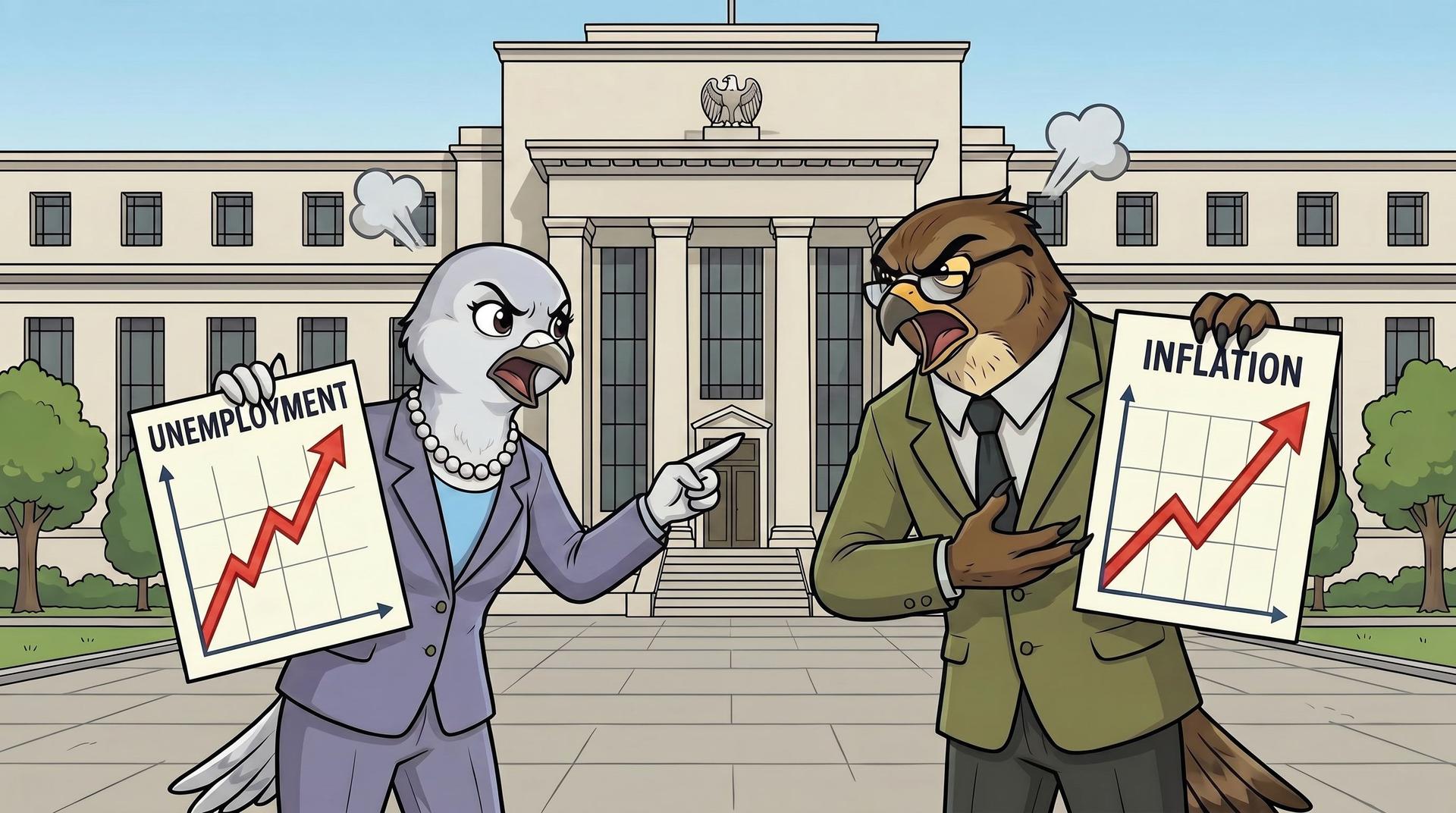
Stagflation is dangerous because usual economic fixes work against each other. Central banks face a hard dilemma:
This made stagflation so damaging in the 1970s. In the US, inflation stayed high until the early 1980s. Eventually, double-digit central bank rates crushed price growth, but only after a deep recession and a jump in unemployment. That painful trade‑off is why policymakers are wary of stagflation.