
Households & Personal Finance

Housing Ladder

Housing Ladder

What Is It?

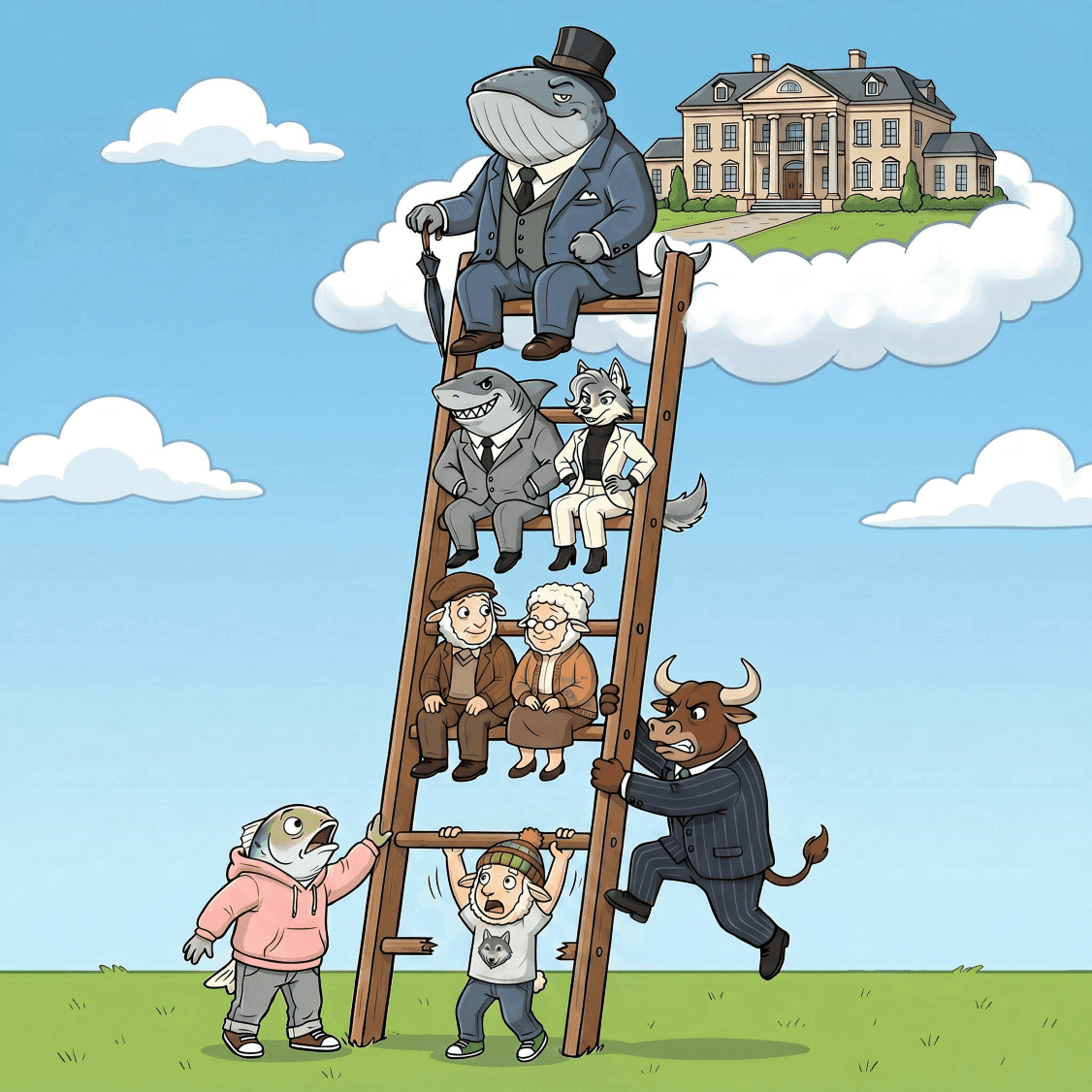
Imagine a ladder where the bottom rungs are tiny starter flats and the top is your dream family home. The housing ladder is an economic theory: you buy a cheap, small property first, wait for its market value to increase, and use that built-up equity (the value you actually own) to trade up.

Historically, this was the ultimate wealth-building playbook. But it only works if median-priced houses remain affordable to middle-income households.

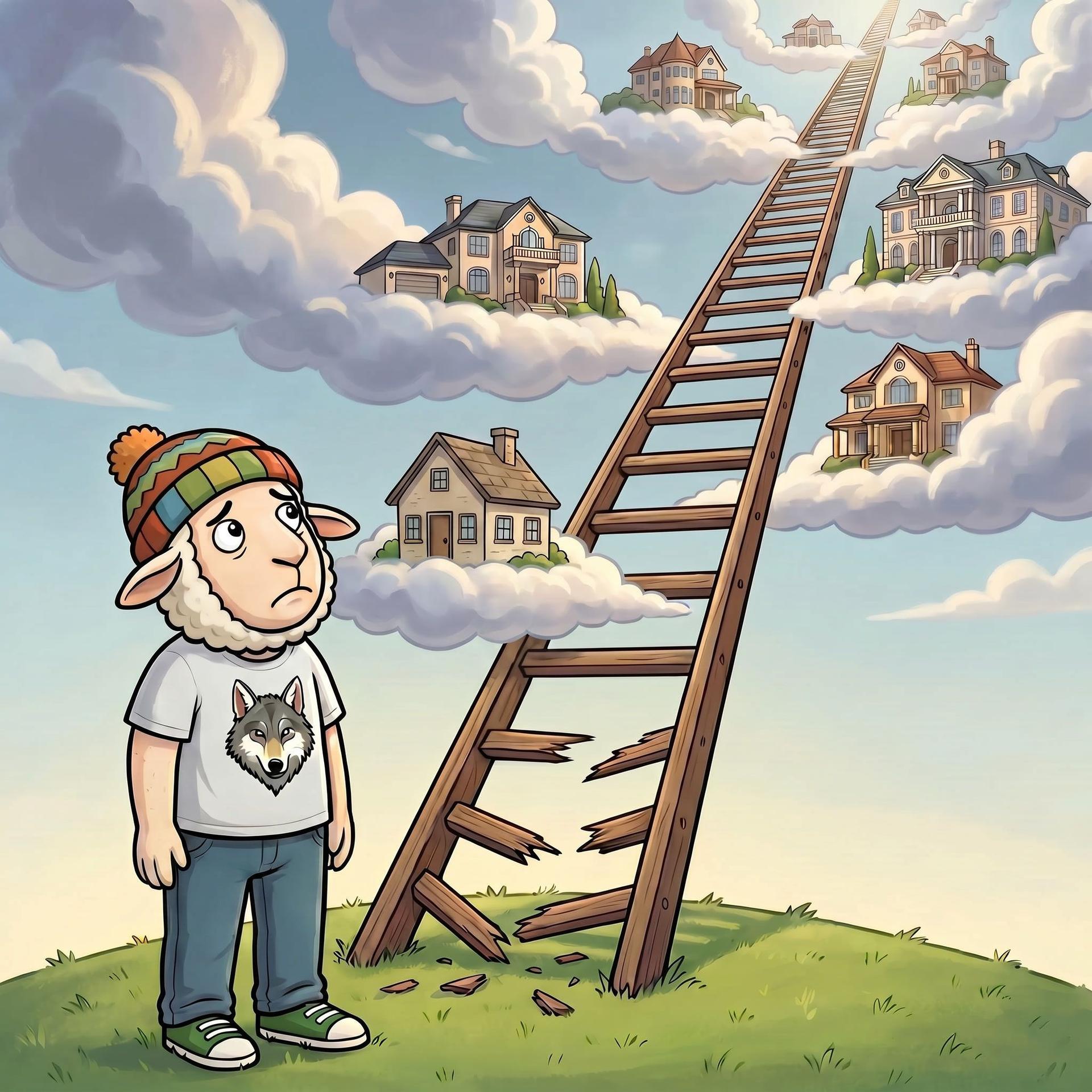
Since the 1990s, the bottom rung has become out of reach for many young adults, especially in major cities, as house prices have decoupled from average local wages.
Housing Ladder

Why Should I Care?

Because the ladder looks increasingly rickety. According to historical housing tracking, median house-price-to-income ratios sat near a manageable level as late as the early 1990s. Even within major cities across countries like the UK, the US, Canada, and Australia, people only had to pay 3-4 times their annual income for a home.

Today, that ratio has exploded in major global cities:

  • The 8x-10x tier: In cities like Toronto, Melbourne, and London a home now demands 8 to 10 times the average annual salary.
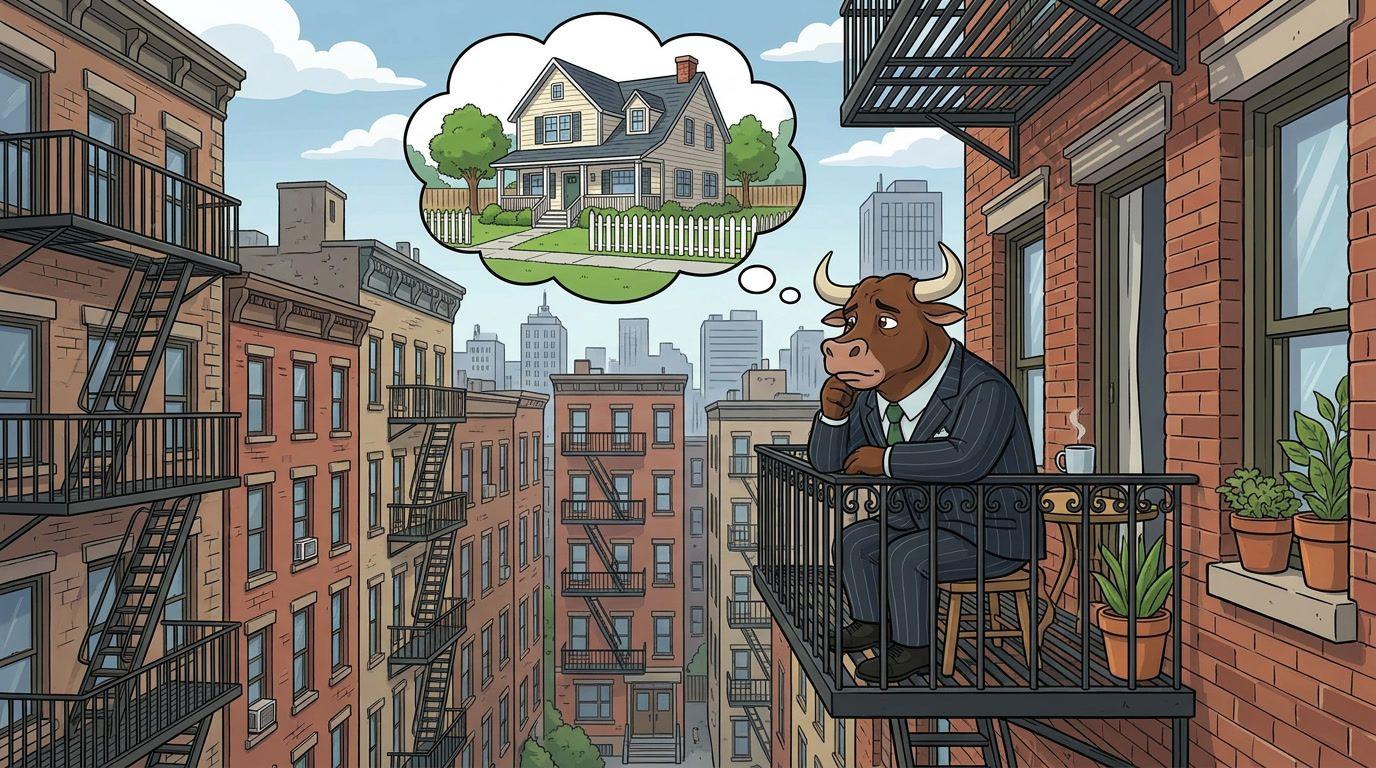
  • +10x tier: In cities like Sydney, San Jose, Vancouver, and Los Angeles, ratios regularly breach ten times earnings, forcing young adults into a permanent "rent trap" where saving a cash down-payment could take a decade or more.
Housing Ladder

What’s the Catch?

Even if you scrape together a deposit, easy gains are no longer a given. When salary growth can’t keep up with house prices, the market risks correcting.

Hong Kong remains one of the world's least affordable housing markets, but prices have dropped sharply from their 2021 peak. Its price-to-income ratio fell from 23.2 to 14.1 by 2026. A big drop, but homeownership remains out of reach for many.

In cities such as London, real house prices have fallen after reaching record highs, with smaller apartments often hit hardest. That creates a housing ladder problem: owners who bought starter homes struggle to move up. And although prices are lower, younger buyers may still find entry-level properties out of reach.

Want to explore more? Download our free app to unlock expert news updates and interactive lessons about the financial world.