
Companies & Business Models

AI Tokens

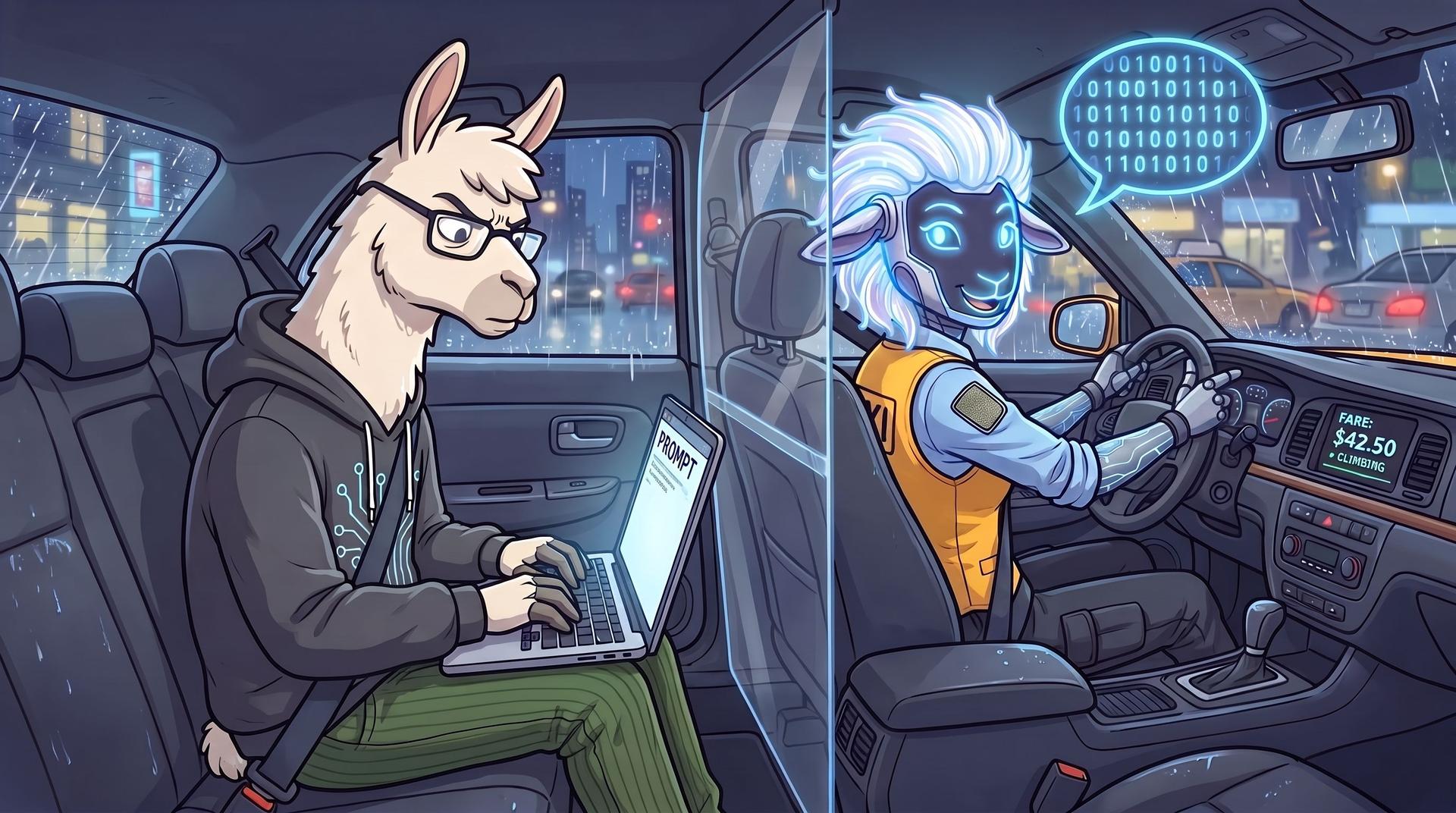
A llama with glasses works on a laptop in a taxi driven by a binary-speaking sheep.

What Are They? 

AI tokens are units of text or other data that AI models read and generate. A token might be a whole word, part of a word, a number, or even a punctuation mark. Every prompt you type and every response you get is broken into these small chunks of data. 

Rough rule:  100 tokens ≈ 75 words 

The more tokens you use, the larger the bill. Different models count tokens slightly differently, but the idea is the same. Tokens turn AI into something closer to electricity than software. A metered utility.
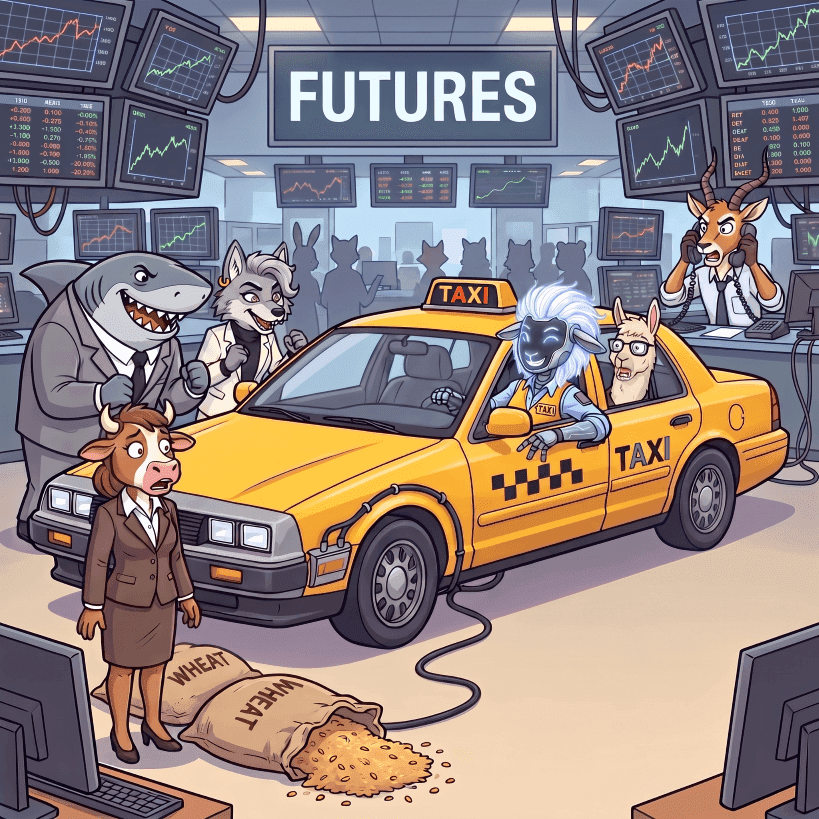
Anthropomorphic animals on a futures trading floor with a taxi and spilled wheat.

Why Should I Care? 

As companies pour billions into AI, tokens are emerging as a resource that must be monitored and managed like any other operating cost, so you don’t accidentally burn through your budget. 

Tokens are also on their way to becoming a tradable asset. Companies can already buy forward contracts to buy a desired number of tokens for specific AI models for future delivery. China is working on a futures market for tokens, with the aim of creating hedging tools against AI price swings. 

This is part of a bigger AI securitization trend. US exchanges are launching GPU compute futures linked to the cost of AI hardware, and data centers are already often partially financed via asset-backed securities (ABS). These are bonds bundled from, and backed by, multiple data centers’ lease revenues and infrastructure.

Robot sheep in a burning data center with digital speech bubbles.

What’s the Catch? 

If investors begin trading futures linked to AI, risks related to the computing price spread directly to financial markets. And turning AI into a tradable asset isn't as simple as it sounds, as the market is still immature

  • Tokens aren’t standardized. Different models count them differently, and new models are frequently entering the young market. 
  • Pricing is messy and fragmented. There’s no single global benchmark yet. 
  • Demand is volatile. A new model release could shift costs overnight.
  • Powerful models need more energy. Electrical constraints could potentially disrupt the market.

Want to explore more? Download our free app to unlock expert news updates and interactive lessons about the financial world.