Markets & Instruments

Contango & Backwardation

Contango & Backwardation

What Is It? 

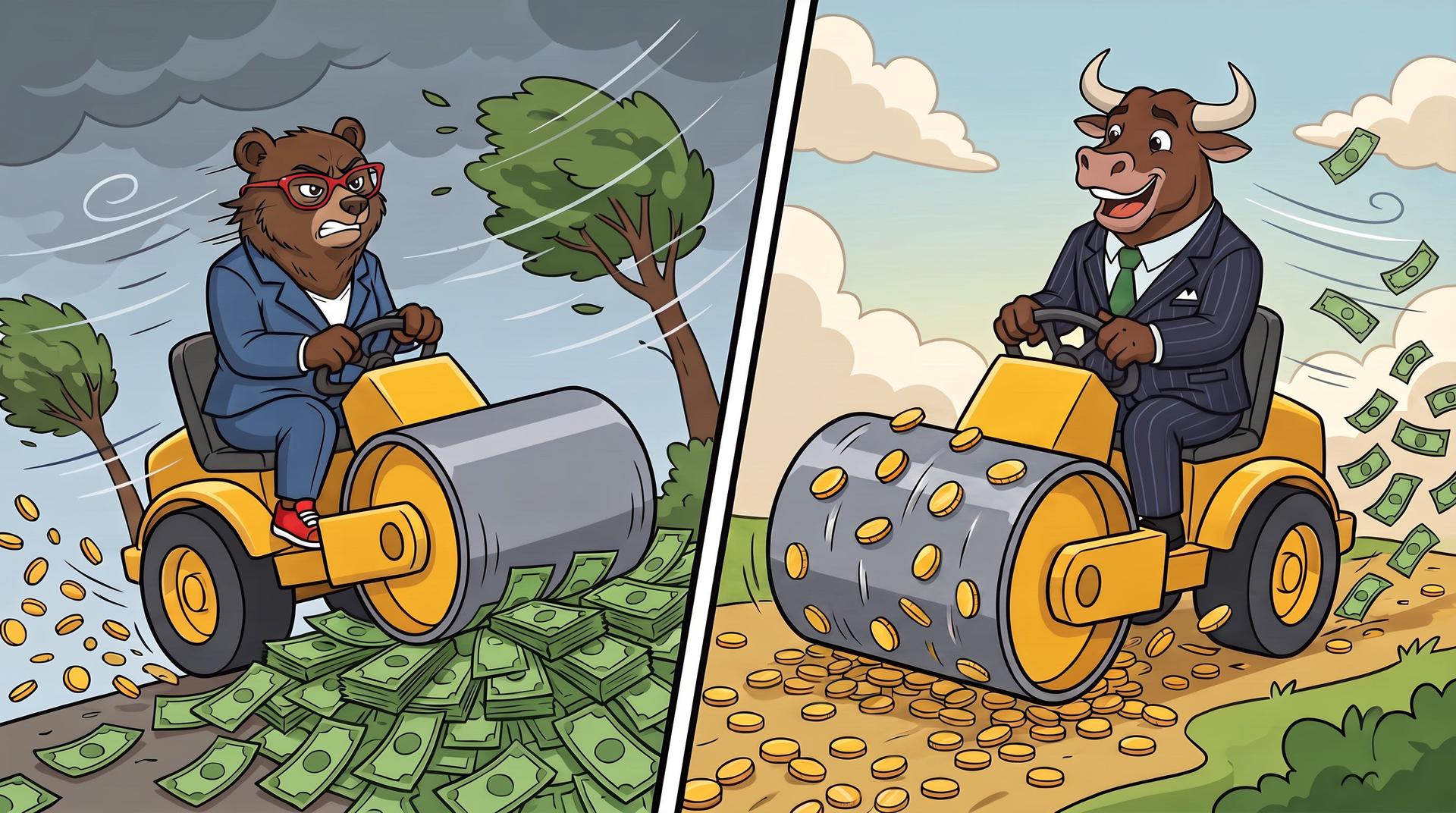
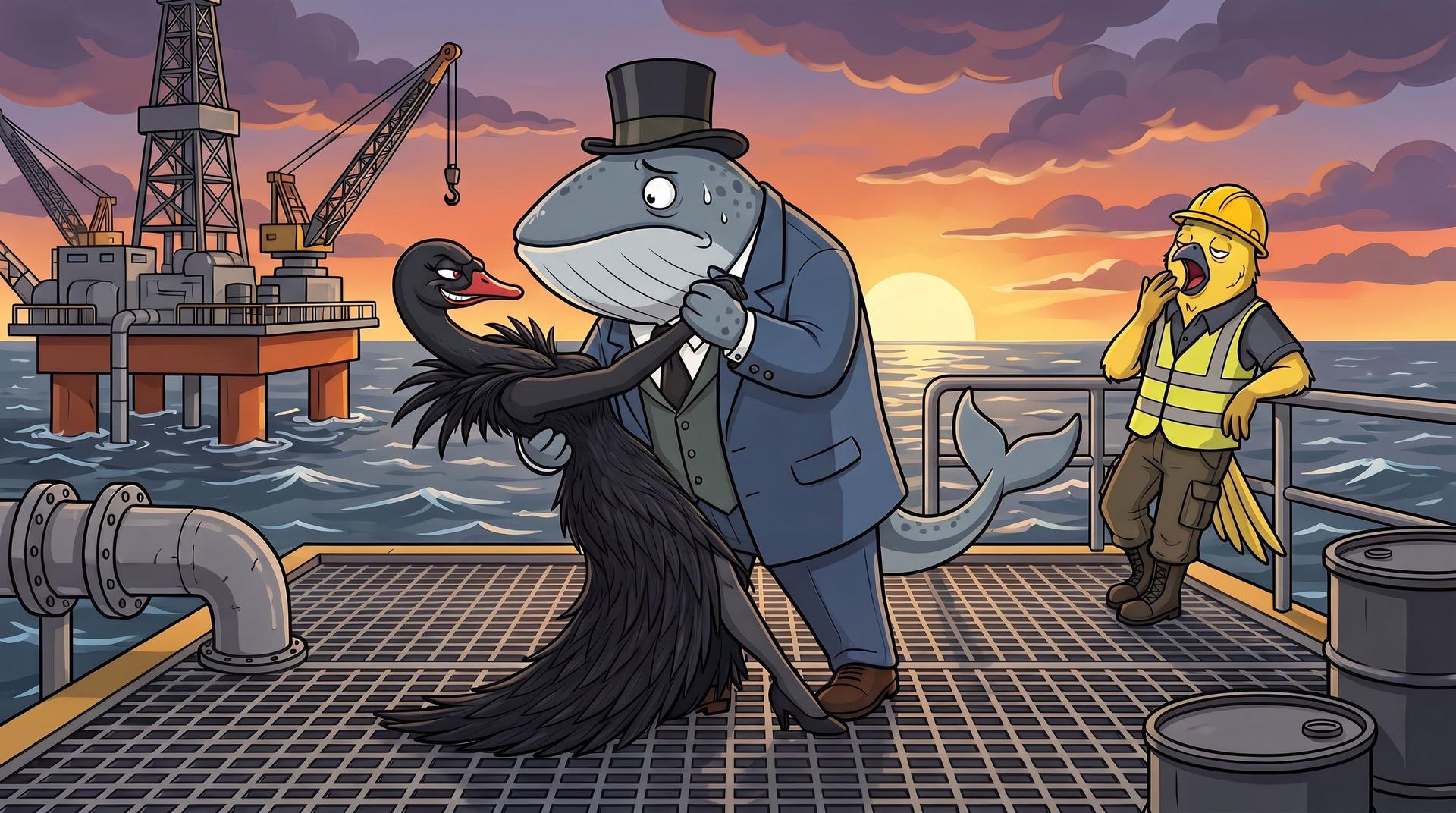
Contango and backwardation may sound like dance moves, but they’re just fancy ways of describing how future prices compare to today’s price. 

Commodities like oil, wheat, and copper aren’t usually bought for right now, at a spot price. Instead, prices tend to be agreed today for a later delivery, using deals called futures or forward contracts. Depending on market conditions, the contracts trade in: 

  • Contango: future prices are higher than today 
  • Backwardation: today’s prices are higher than future prices
Contango & Backwardation

Why Should I Care? 

Even if you never trade futures, many popular exchange-traded funds (ETFs) use them. Learning the lingo also helps you grasp the mechanics of supply and demand. 

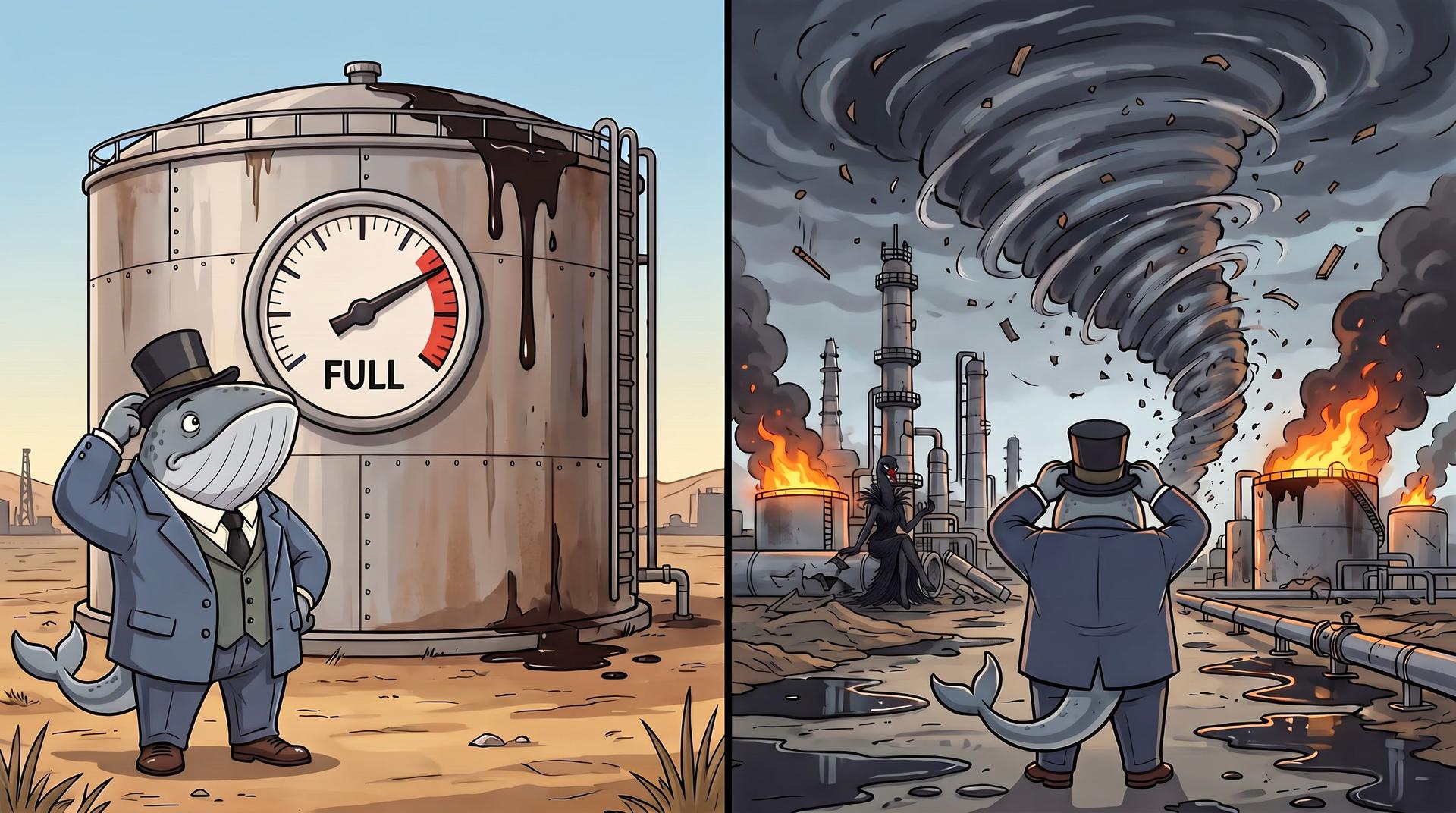
  • In contango, supply is usually ample. Traders are willing to pay extra for futures to avoid owning and storing the commodity today. Storage, insurance, financing costs, and logistical hassle all make immediate ownership less attractive. 
  • Backwardation implies a supply squeeze. Buyers are so worried about availability of the commodity that they’re willing to pay more for immediate delivery. 

Contango is more common. But oil is a special case: it’s expensive to store and sensitive to geopolitics, so it moves between the two states often. A war involving a major oil producer can push prices to extreme backwardation, with spiking spot prices.

Contango & Backwardation

What’s the Catch? 

ETFs don't usually hold the physical commodity. Instead, these funds buy futures contracts and regularly replace expiring contracts with new ones. This process is called rolling.  

  • Contango = a headwind  The ETF sells an expiring contract and buys a more expensive one further out in time. Repeating this process can gradually erode returns, even if the spot price doesn't move much. 
  • Backwardation = a tailwind  The ETF sells an expiring contract and buys a cheaper replacement contract. This can add to returns over time. 

This is why a commodity ETF's performance can differ from the commodity itself. But remember, markets can flip quickly on sanctions, natural disasters, outages, storage costs, or military conflicts.

Want to explore more? Download our free app to unlock expert news updates and interactive lessons about the financial world.