What Are They?
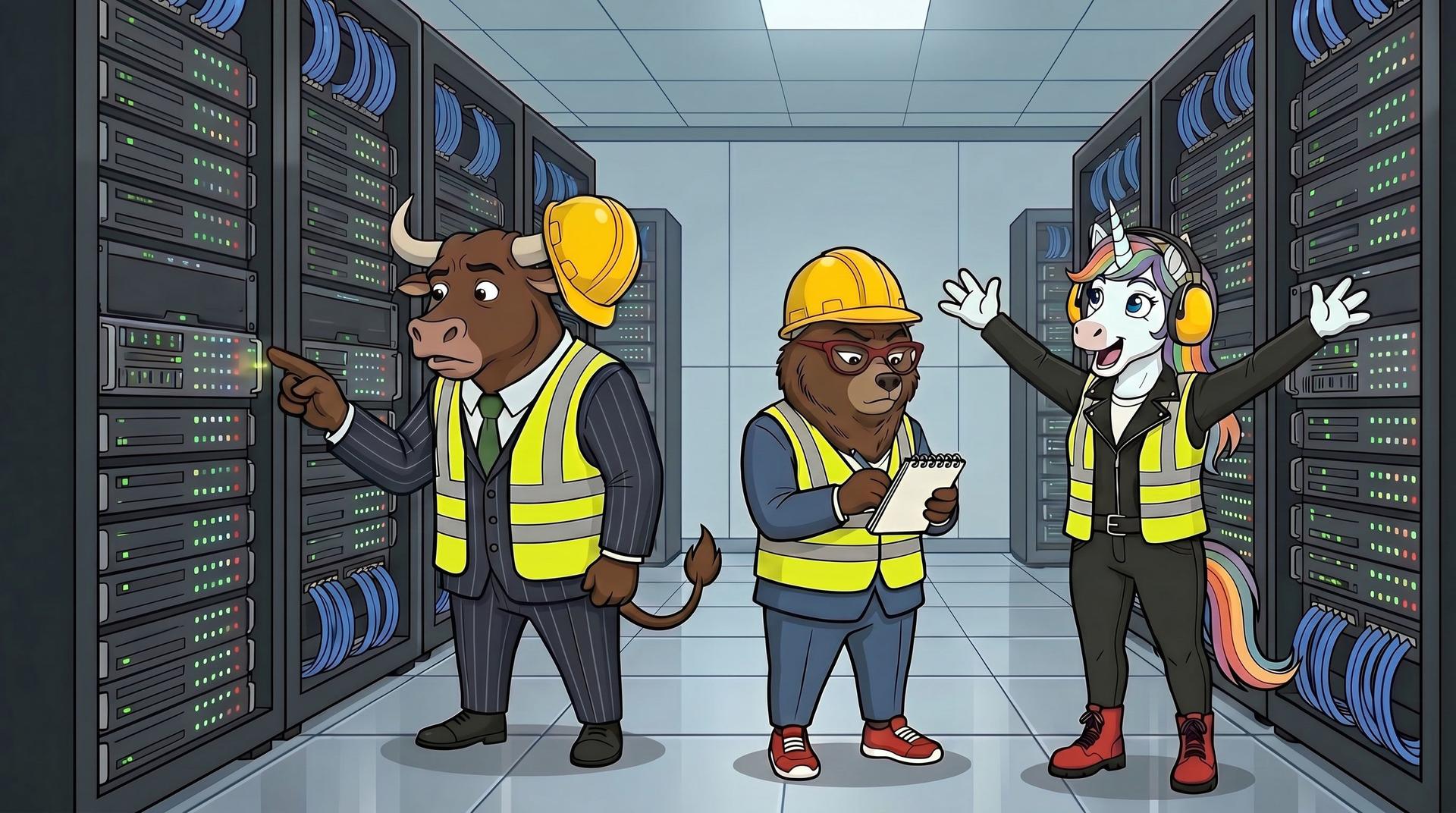
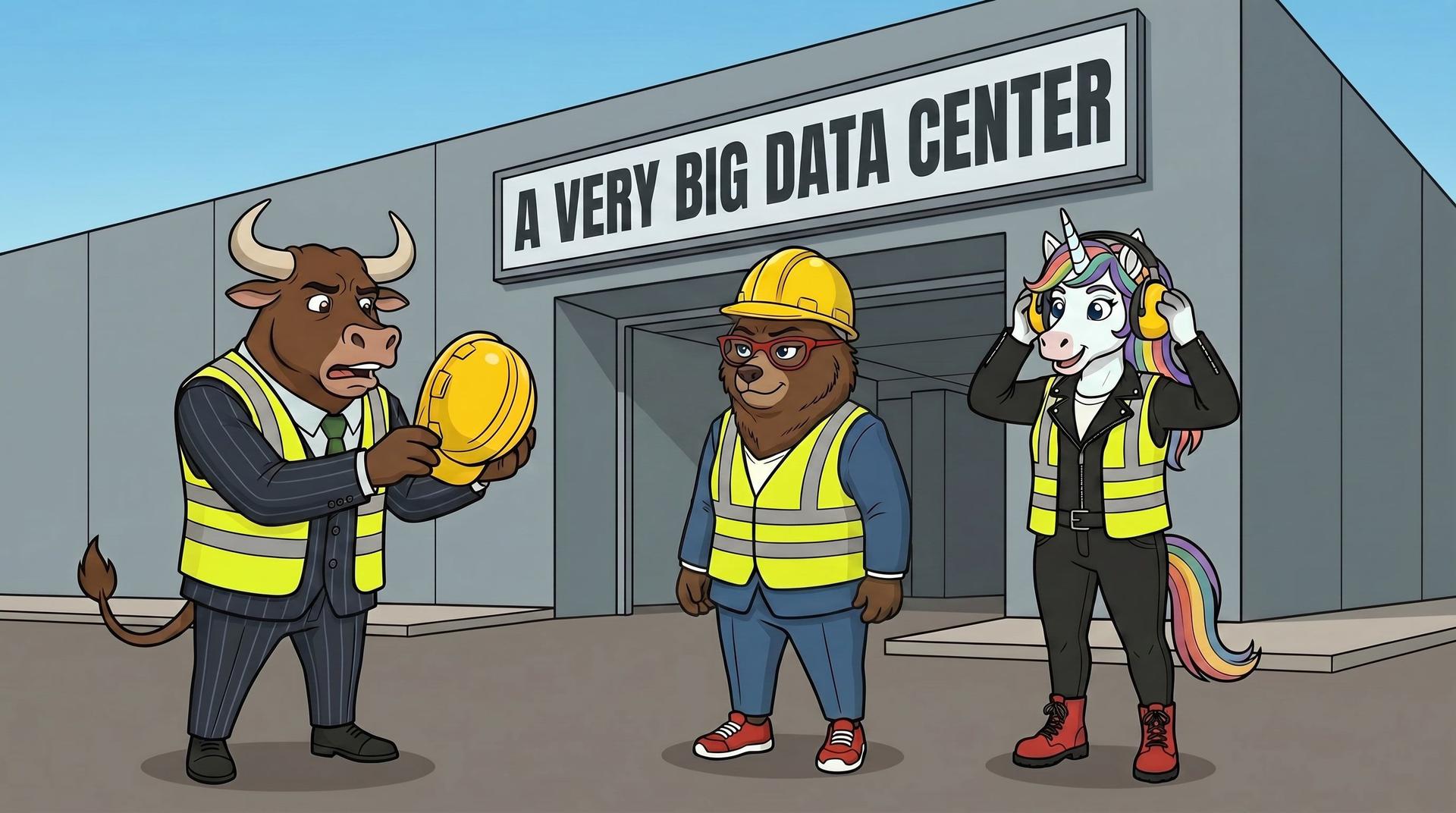
Hyperscalers are companies that build and operate digital infrastructure on a massive scale: millions of servers housed in hundreds of data centers. Hyperscalers churn out computing power for everything from streaming videos to artificial intelligence.
Classic examples include big cloud-service providers Amazon, Microsoft, Google, and Alibaba. But tech giants that don’t sell cloud services, like Meta, are usually included too due to huge data center investments for their own use.
The term started first gaining traction in tech circles in the mid-2010s, with the 2020s AI boom cementing it as part of the daily investor lexicon.