
Companies & Business Models

Share Buybacks

Share Buybacks

What Are They?  

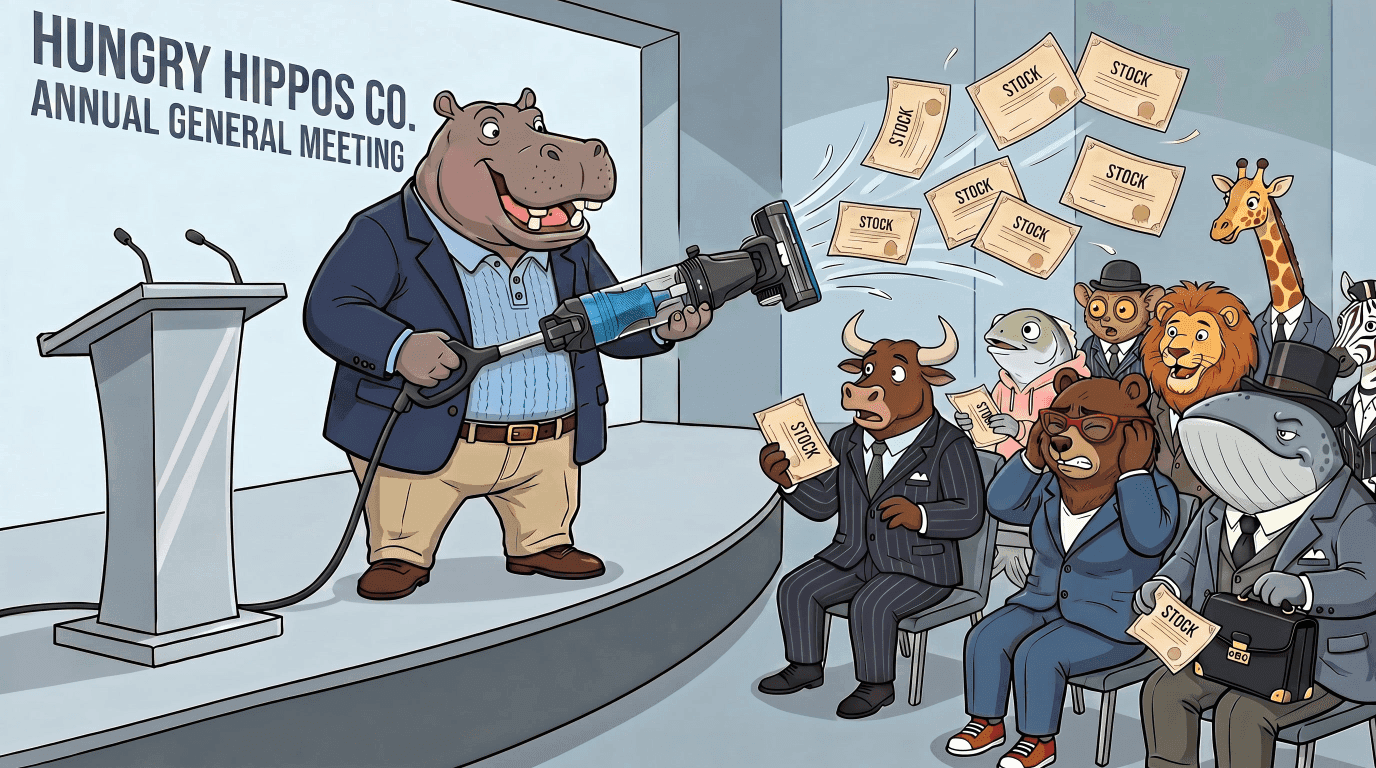
In a share buyback, a company repurchases its own shares from the stock market. Fewer shares left in circulation means each remaining share represents a bigger slice of the company.  

Unlike dividends, the buyback payout is indirect: investors benefit through higher earnings per share (EPS) and, potentially, a higher stock price, rather than a cash payment arriving in their account.

US tech giant Apple has been a record spender on buybacks, pouring more than $800 billion on them between 2013 and 2025.

Share Buybacks

Why Should I Care?  

Share buybacks have gradually increased in popularity among companies as a convenient way to create value for shareholders. Global buybacks hit a record of $1.5 trillion in 2025, exceeding dividends in value in some markets, such as the US. 

Firms like them because: 

  • No commitment to regular cash payments 
  • They can boost pershare metrics like EPS without having to grow the business 
  • In some countries, gains may be taxed later than dividends
Share Buybacks

What’s the Catch? 

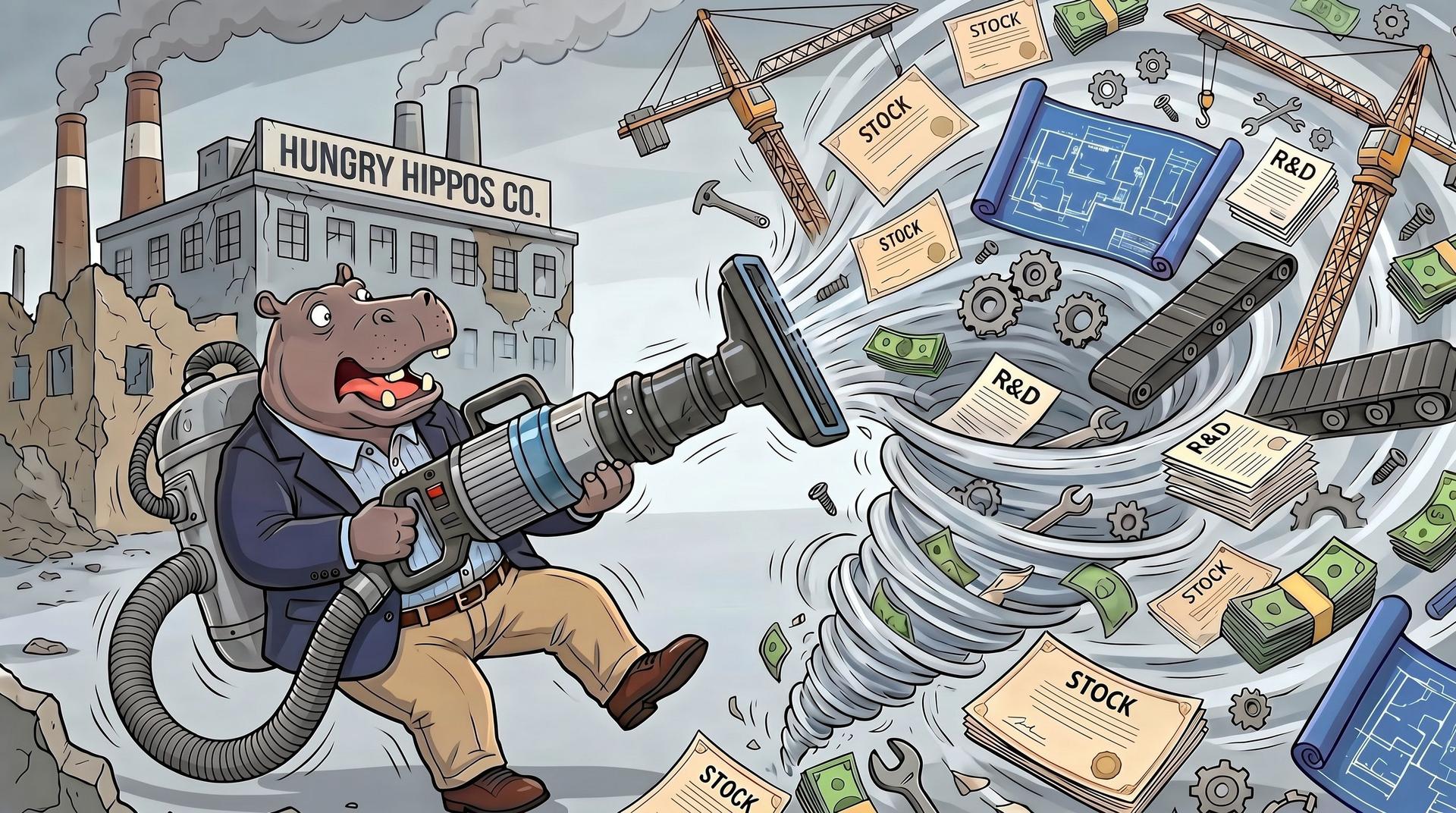
Companies can overspend on buybacks, neglecting growth investments. And if they borrow to fund repurchases, it adds risk. A buyback can signal confidence, or it can signal a lack of better ideas

Whether you like them or not depends on your goals: 

  • Incomefocused investors (often retirees) prefer dividends for predictable cash flow  
  • Growthoriented investors favor buybacks for price gains and tax flexibility.

Want to explore more? Download our free app to unlock expert news updates and interactive lessons about the financial world.