

Imagine Claw Motors has been making waves in the car industry with its stylish, electric rides. You think the hype is getting out of hand, with stock trading at $300 apiece. You decide to short it.
You borrow 10 Claw shares from your broker and sell them immediately on the market for $3,000 cash. But you still must return those borrowed shares.
In a few weeks, Claw’s stock price tumbles to $220 after a rough earnings report. You buy back those 10 shares for just $2,200 ("covering your position"). You hand the shares back to your broker and pocket the leftover $800. That’s short selling! Instead of buy low, sell high, short sellers flip the script: sell high, buy low.
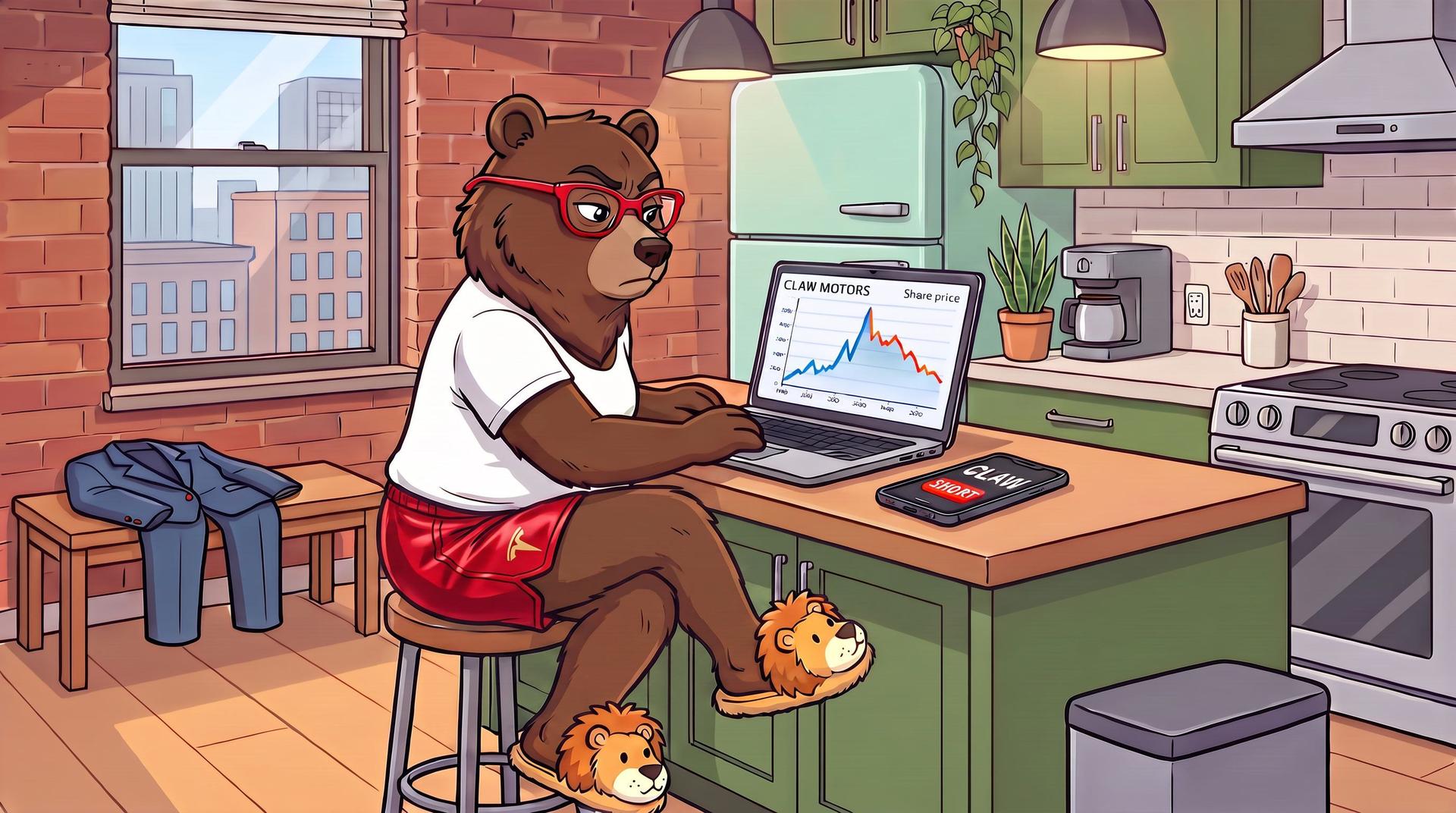
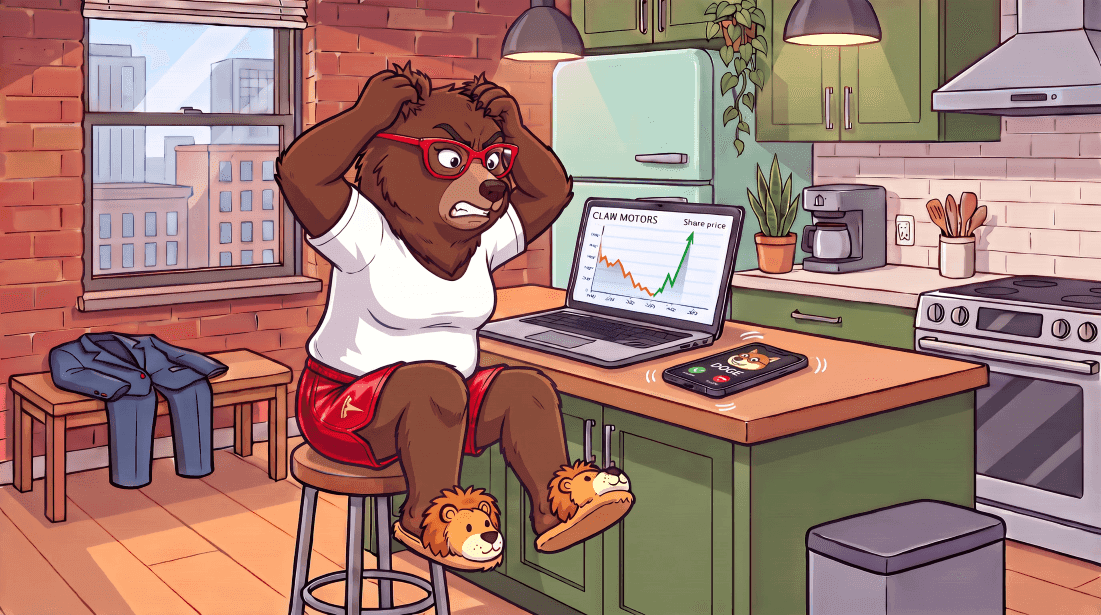
Because short sellers are the financial world’s skeptical detectives. While regular investors profit when stocks go up (encouraging blind optimism), short sellers make money by popping hype bubbles and unveiling bad accounting or corporate fraud.

Short selling carries an infinite mathematical risk. If you buy a stock, the worst outcome is that it hits $0. But when you short a stock, there is no upper limit to how high it can climb. If a stock you bought at $100 surges to $1,000, you still have to buy it back, leaving you with a painful $900 loss.
Lenders can demand their shares back, but this rarely happens. Short positions can usually stay open as long as borrowing fees and margin requirements are met.