
InvestMentor
HomeNewsCoursesSnapshotsVideos
Privacy & TermsSocial Media DisclosureCookie settings

2026 Interactive Academy. All rights reserved.
InvestMentorSM is owned by Interactive Academy LLC, an affiliate of Interactive Brokers LLC. All content provided by InvestMentorSM is for informational and educational purposes only and should not be interpreted as implying any sponsorship, partnership, endorsement, recommendation, or approval by Interactive Brokers LLC or its affiliates.
  1. Snapshots
  2. Tariffs

Tariffs

What Is It? 

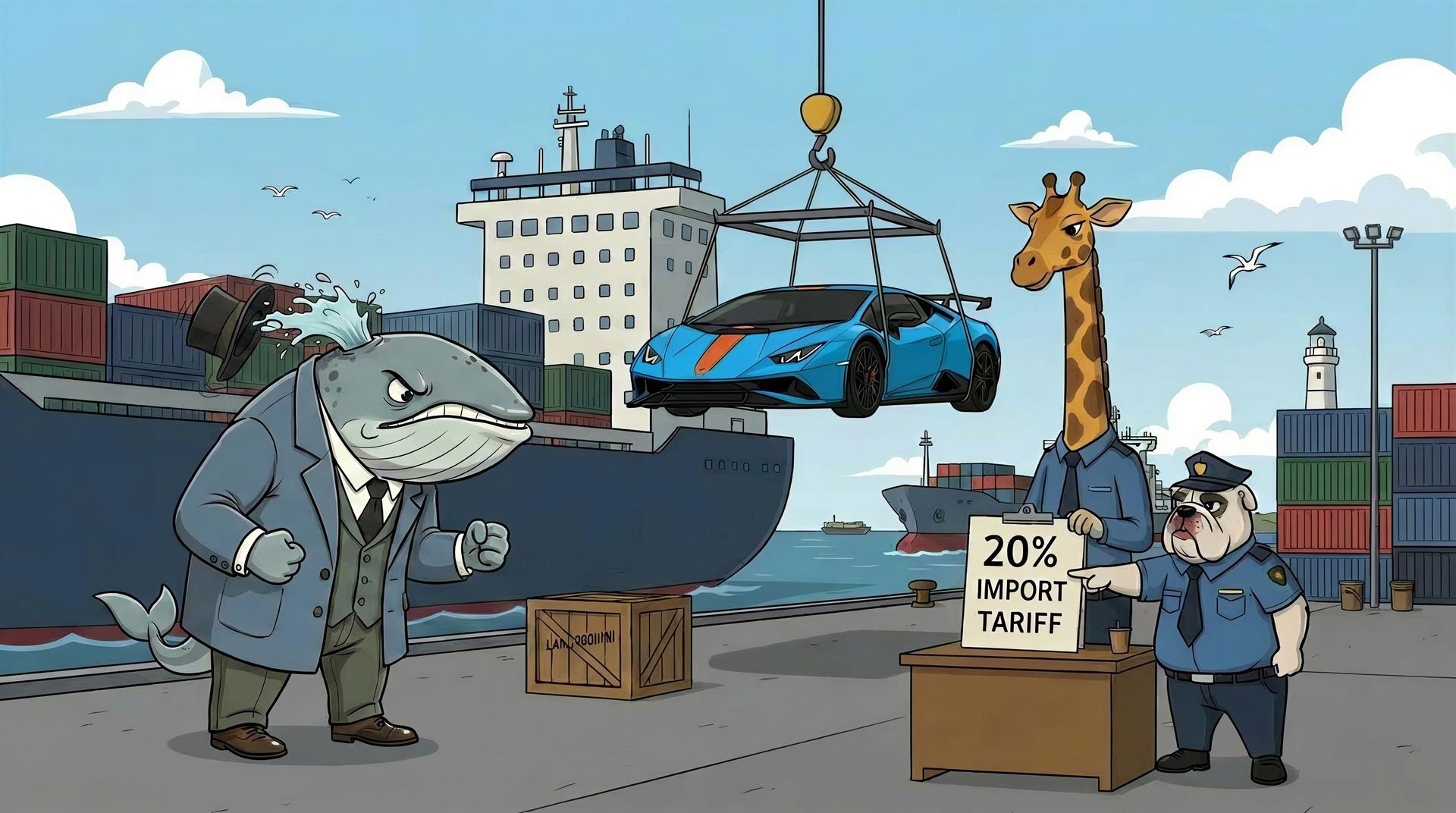
A tariff is a tax that a government or a trading bloc (such as the EU) places on imported goods. It is paid at the border. 

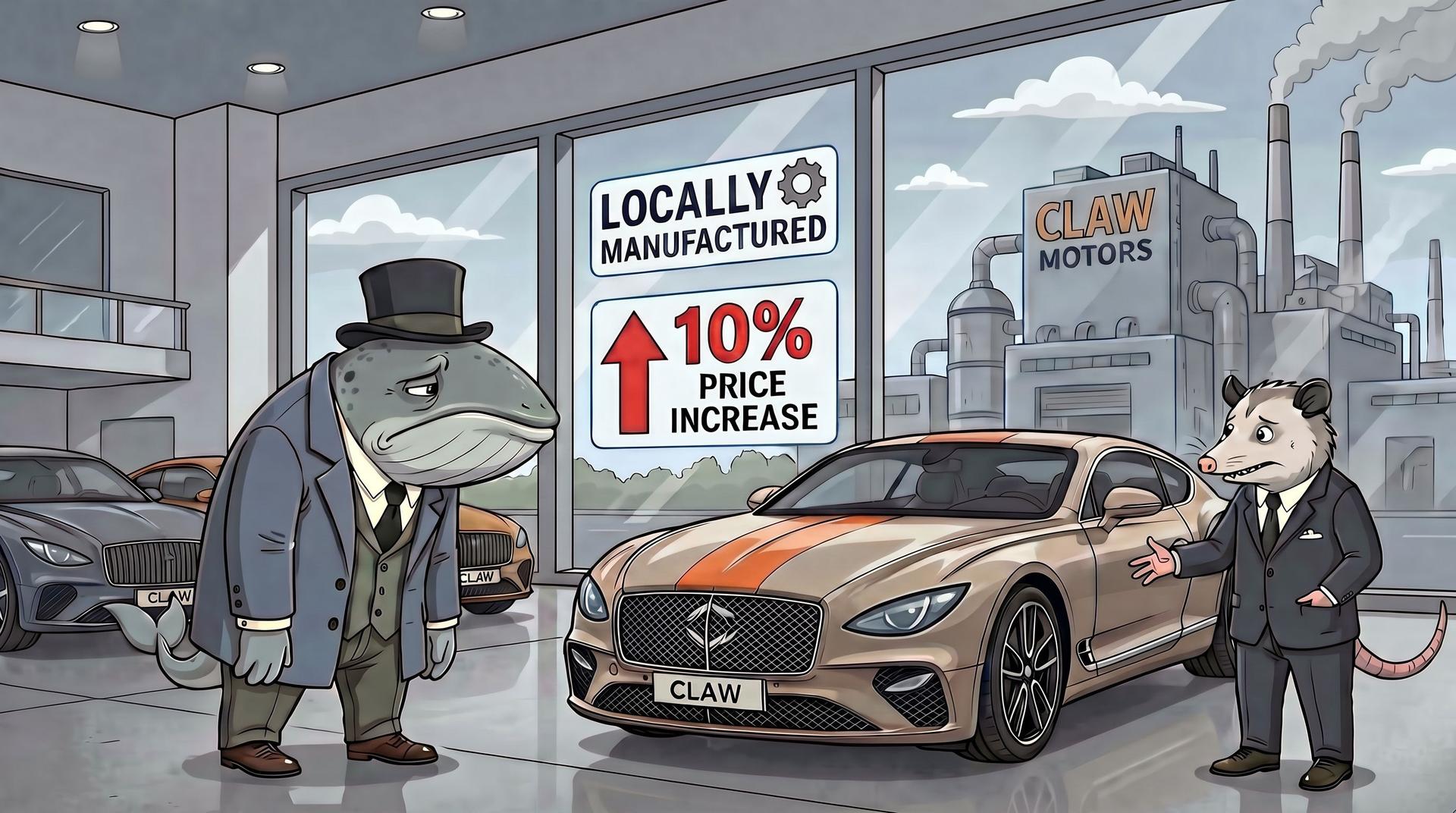
If a country imposes a 20% tariff on imported cars, those cars become more expensive than locally made ones. 

Tariffs are often used to protect domestic industries or respond to trade disputes. For example, the US and China have collected hundreds of billions of dollars of tariffs from each other since the trade dispute started in 2018.
Why Should I Care? 

Tariffs affect prices, company costs, and how goods move around the world: 

• Imported goods become more expensive, and local producers often raise prices as well  • Domestic industries get some protection from foreign competition  • Companies may shift production to countries with lower or no tariffs  • Supply chains are rerouted, adding time and cost 

Example: Tariffs on Chinese imports raise costs for US businesses that need those components. They can try buying from someone else, but those alternative sellers now have more pricing power.

What’s the Catch? 

Tariffs may target foreign producers, but the impact spreads across the economy: 

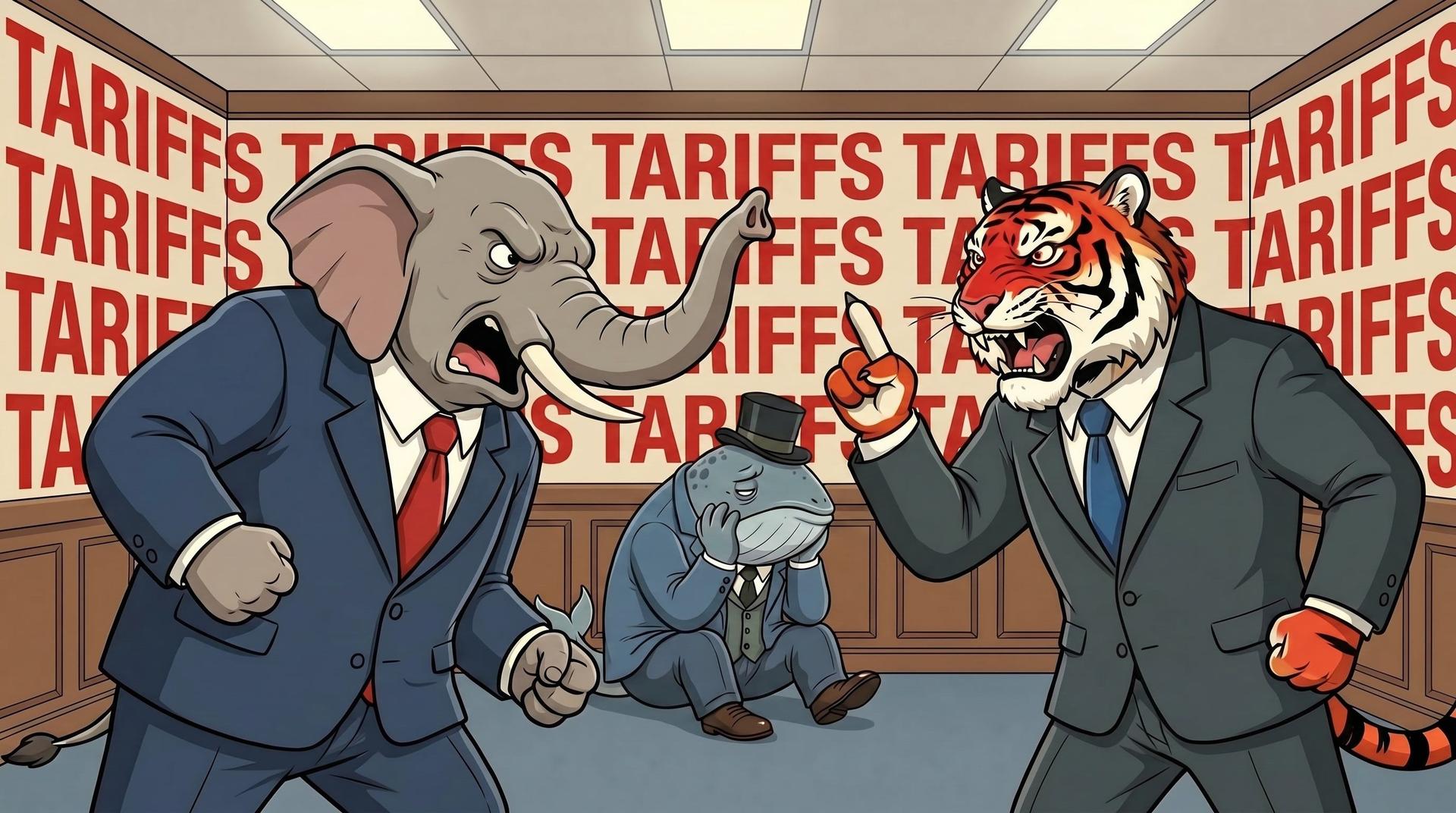
• Companies can pass on the higher costs to consumers by hiking prices  • Other countries can retaliate with their own tariffs, leading to a vicious cycle  • Companies may switch to less efficient suppliers to avoid the tax  • Benefits are uneven, with some industries gaining and others losing export access 

When tariffs build up across countries, they can increase costs along supply chains, contributing to higher global inflation and slower growth.

Do you want to learn more?
Download InvestMentor to access the full snapshot and explore interactive courses that build your financial knowledge and guide you toward smarter investing decisions.
Log in to access the full snapshot
or