

Monetary & Fiscal Policy

Fiscal Policy

Fiscal Policy

What Is It? 

Fiscal policy is how a government steers the economy using spending and taxes. The keyword here is “the budget”, not interest rates (that’s the central bank’s job). 

  • Spending: infrastructure, healthcare, benefits 
  • Taxes: income tax, corporate tax, value-added tax (VAT) 
  • Deficits vs. surpluses: government spends more or less than it earns 

In a downturn, governments often stimulate the economy by ramping up spending or cutting taxes to boost demand. In an overheating economy, they may do the opposite to cool things down.
Fiscal Policy

Why Should I Care? 

Fiscal policy impacts your financial life too, and often more than you think. 

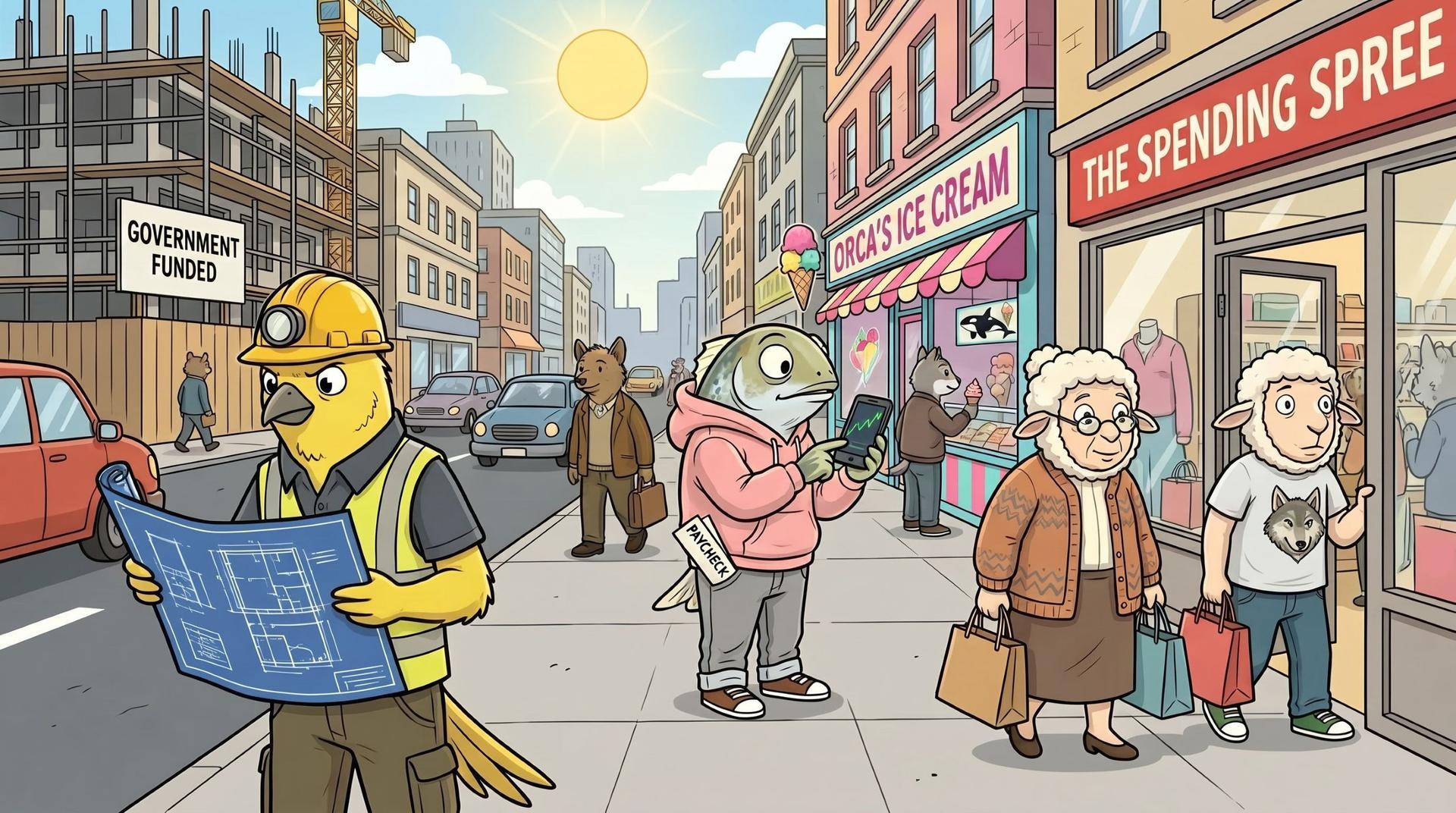
  • Jobs: big spending programs can create employment 
  • Paychecks: tax changes hit your take-home income 
  • Prices: stimulus can lift demand and push inflation higher 
  • Markets: Stocks, bonds, currencies, and even the housing market react to budget proposals 

When a government opens the spending taps, money flows through the economy. But it can also leave a long tail, especially in the form of inflation and public debt.

Fiscal Policy

What’s the Catch? 

Fiscal policy is a powerful but messy tool. 

  • Time lag: by the time policies pass (which can sometimes take years), the economy may have moved on 
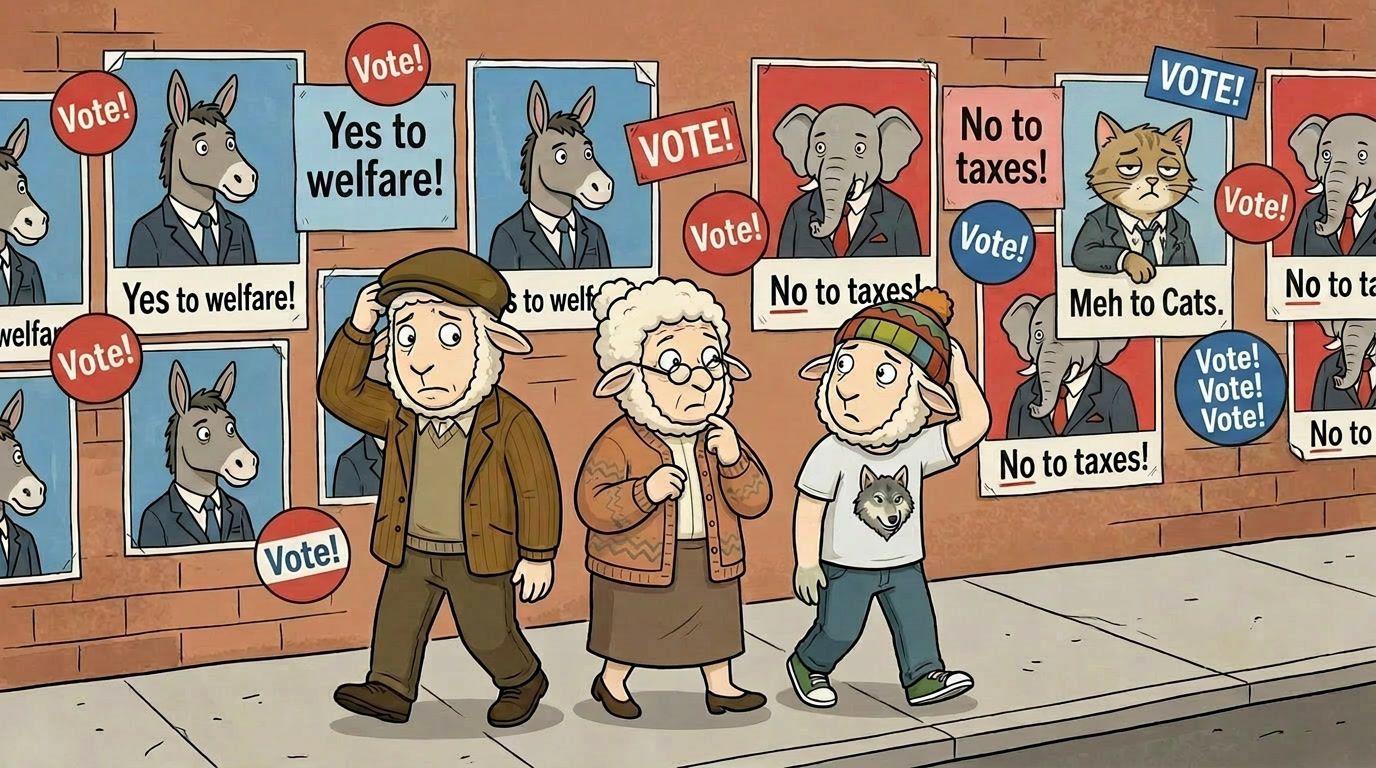
  • Politics: decisions are often driven by elections, not pure economics and long-term vision 
  • Debt: running deficits adds to the national debt, which must be financed 
  • Inflation risk: too much stimulus can overheat the economy 

While central banks and governments tend to operate independently from each other, both monetary and fiscal policy are often needed to kickstart growth or cool a searing hot economy.

Want to explore more? Download our free app to unlock expert news updates and interactive lessons about the financial world.