
Macroeconomics

Trade Deal

Trade Deal

What Is It? 

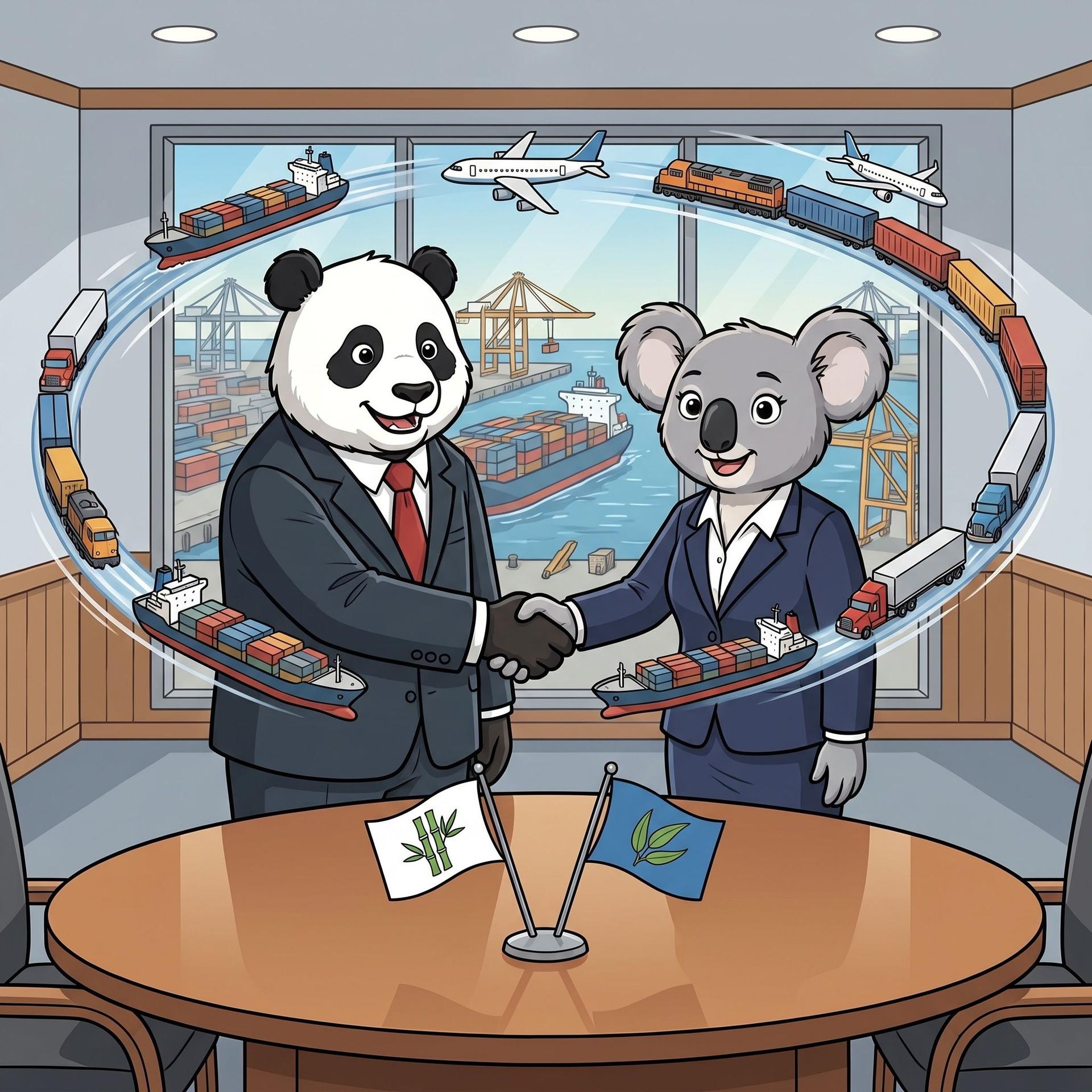
A trade deal is an agreement between countries to make it easier to buy and sell goods and services with each other. Most trade deals lower or remove tariffs (taxes on imports) and set common rules on things like standards, subsidies, and investment. 

Some of the major trade deals currently in place include Regional Comprehensive Economic Partnership (RCEP) among 15 Asia-Pacific economies and US-Mexico-Canada Agreement (USMCA). EU’s 2026 pack with India was signed after negotiations spanning two decades. 

Some regions take a step further to form a deeply integrated trade bloc. The EU single market and South America’s Mercosur are examples of that.

Trade Deal

Why Should I Care? 

Trade deals shape what you pay and where jobs are created: 

  • Lower tariffs can mean cheaper goods and more choice 
  • Firms get access to bigger markets, supporting growth and employment 
  • Supply chains stretch across borders, making economies more connected 

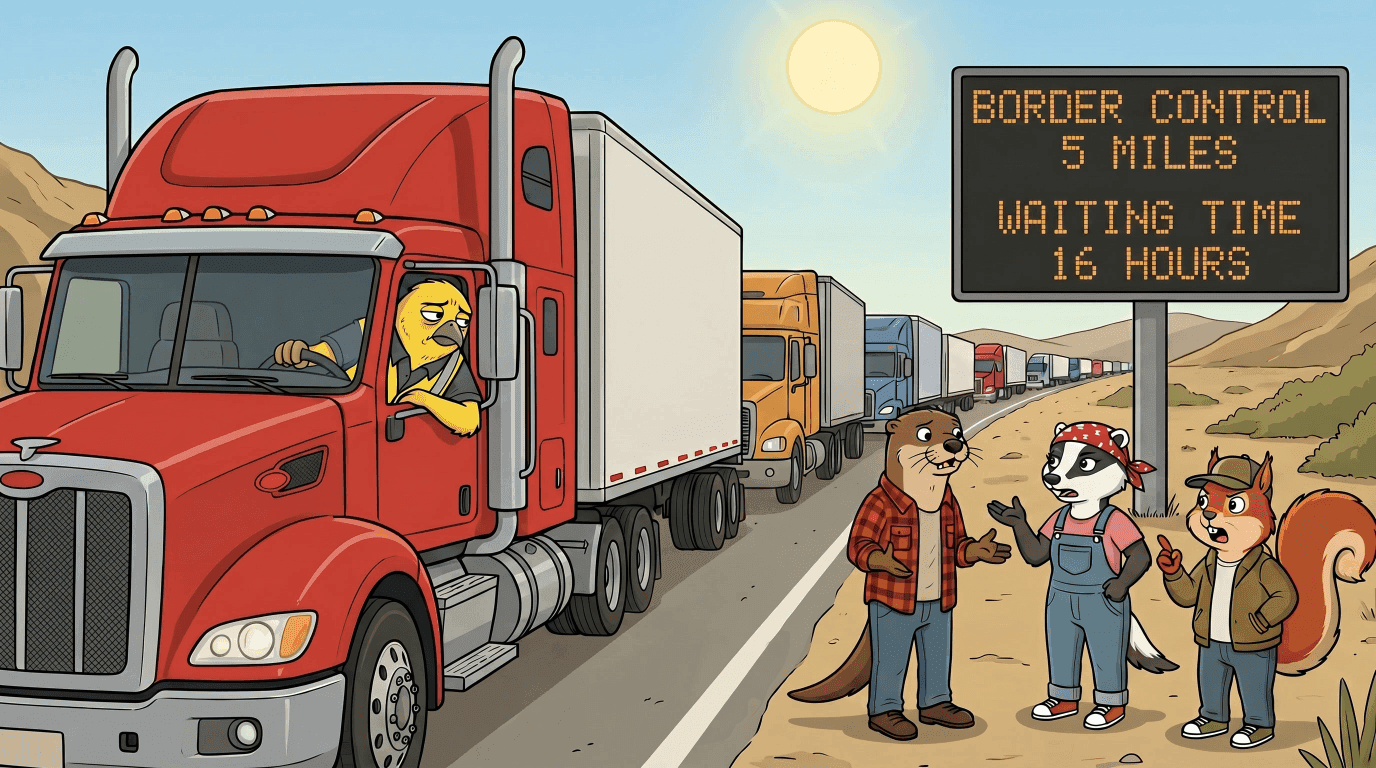
Big deals can shift entire industries. China’s entry into the World Trade Organization (WTO) in 2001 redefined global manufacturing, while Brexit —  the UK’s exit from the European Union — showed how changing trade rules can raise costs, slow down shipping, and reduce availability of goods.

Trade Deal

What’s the Catch? 

Trade deals create winners and losers. Consumers may benefit from lower prices, but: 

  • Some workers face job losses as production shifts abroad or competing foreign products enter the market 
  • Countries give up policy freedoms to share rules 
  • Dependence on global supply chains can backfire during shocks, evident during the Covid-19 pandemic and the 2026 oil shock 

That’s why trade deals are often politically sensitive, especially among farmers and industrial workers. They’re about economics, but also power, jobs, and control.

Want to explore more? Download our free app to unlock expert news updates and interactive lessons about the financial world.