

Universal Basic Income (UBI) is a policy where the government pays all citizens a regular cash amount, no strings attached. No work requirements, no conditions on how the money is spent, equal payments to both the rich and the poor. It should be a large enough sum to cover basic living costs.
The idea is to create a sturdy income floor, insuring everyone against a job loss or illness. Ideally, this would allow people to take more risks in their careers. It could also free people to care for elderly parents or pause work to look after young children.

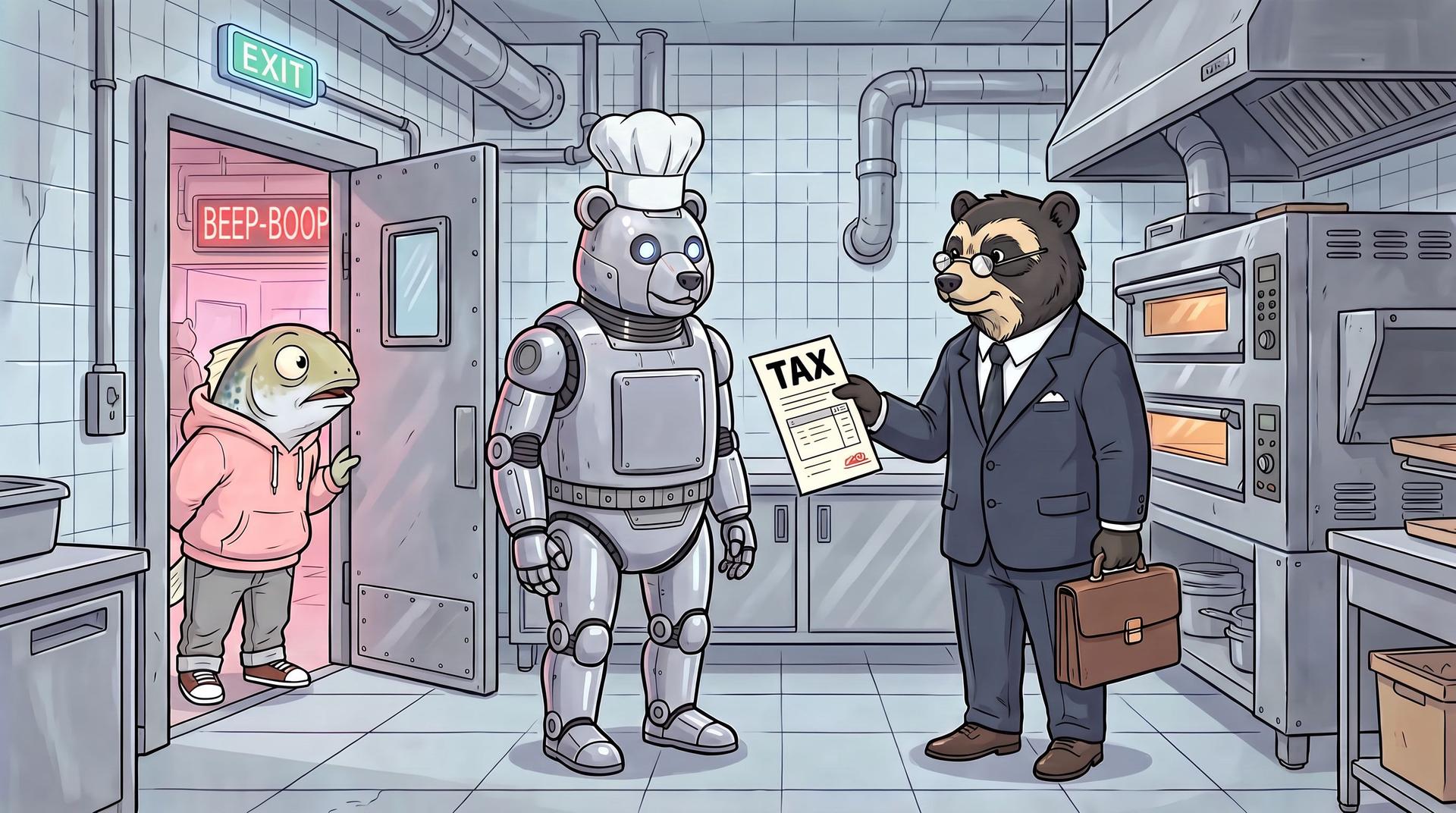
Universal Basic Income has moved from the fringe to mainstream debate as artificial intelligence and robotics take strides, threatening to automate white‑collar and factory work. Professions such as translators, coders, and legal secretaries are all under threat from AI.
This is putting pressure on governments to come up with new policies. Supporters argue a UBI could:

The appeal is simplicity. The problem is scale. Paying every citizen enough to cover basic needs would require enormous government spending.
No country has rolled out a nationwide universal basic income at that scale. Trials in places like Finland and Kenya have been too small to prove what happens when everyone gets the money.
Funding UBI would likely require higher, broad‑based taxes, which could weaken incentives to work. Paying everyone means less targeting, with fewer resources for people with greater needs. Some economists favor alternatives such as robot taxes, though opponents warn they could slow innovation.