
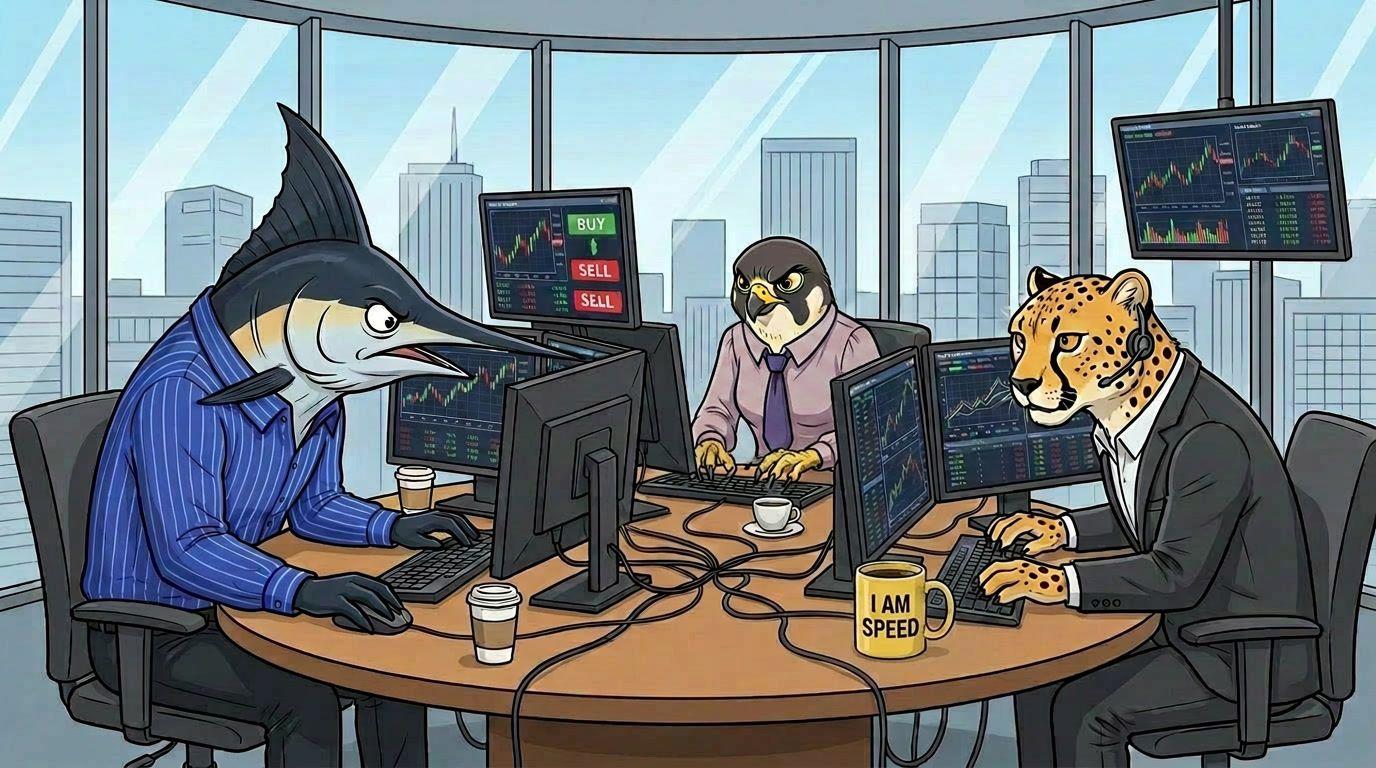
Market makers are trading firms that stand ready to buy and sell investments throughout the day. If you click "Buy" and another investor isn't immediately willing to sell, a market maker may step in to keep the trade moving. This is how they provide liquidity.
Some of the biggest names include high-frequency trading firms like Citadel Securities, Virtu Finance, and Jane Street. These tend to dominate stocks and exchange-traded funds. Big banks like Goldman Sachs and JPMorgan are crucial market makers in foreign exchange and bond markets.
They make money from the bid-ask spread: the small difference between the price they buy at and the price they sell at.
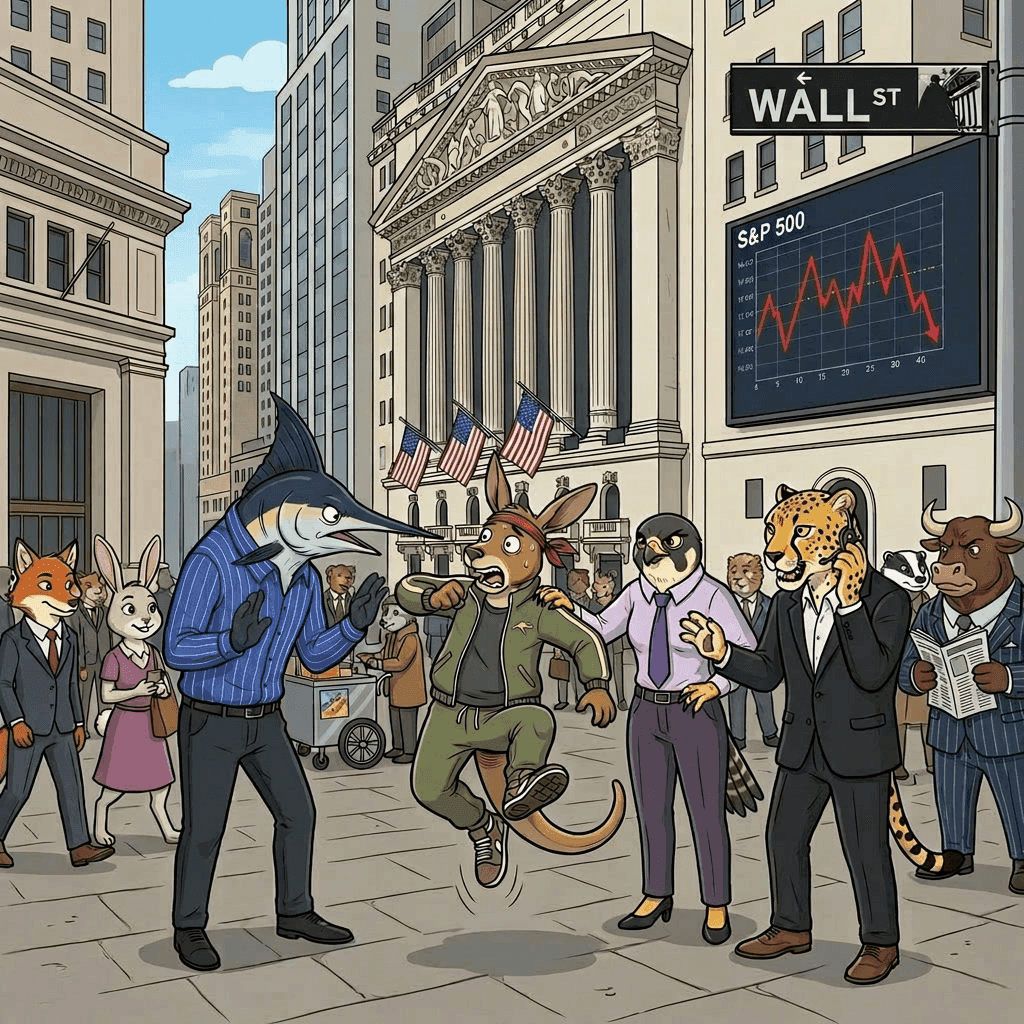

Market makers make modern investing fast and cheap. If you’ve ever used a zero-commission trading app, it’s because of them.
Registered market makers must continuously quote both buy and sell prices. But during extreme volatility, exchanges may allow them to widen spreads or temporarily stop quoting.

Market makers aren’t paying your broker for out of charity. The practice known as payment for order flow (PFOF) is highly controversial.
• Conflict of interest: Brokers may route trades to the highest-paying market maker rather than the best-priced venue.
• Hidden cost: Market makers make money by skimming fractions of a cent off the spread (the difference between their buy and sell prices). Trading feels free, but you may get a slightly worse price.
• Global divide: PFOF is banned in the UK, EU, and several other markets but remains legal in the US.