
Media
冬季风暴 🎥
点击查看媒体内容。
2026/2/13
2026/2/17
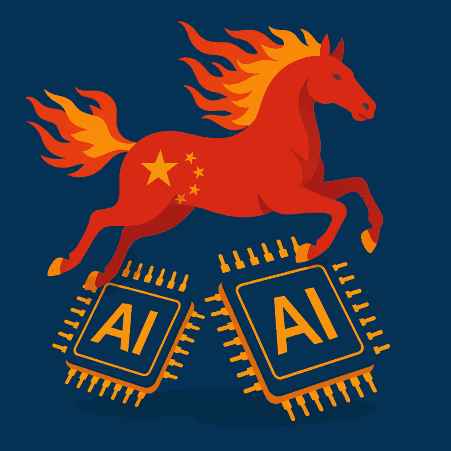
China is kicking off the Year of the Fire Horse with a burst of AI horsepower. Alibaba has unveiled Qwen 3.5, a model built for the “agentic AI era,” boasting 60% lower costs and eight times better large‑task processing than before, and claiming it’s outperforming Western rivals such as the latest models from OpenAI and Google.
Just a couple of days before, TikTok-creator ByteDance pushed out Doubao 2.0, an upgrade to China’s most‑used chatbot, now nearing 200 million users. And DeepSeek, last year’s shock disruptor in the global AI race, is expected to release its next model within days.
Alibaba and ByteDance are pitching their new models as agentic — meaning the AI doesn’t just answer questions but completes multi‑step tasks across apps on the user’s desktop and mobile devices.
Western companies have introduced similar capabilities. When Anthropic released new plugins for its AI assistant Claude Cowork earlier this month, software shares plunged.
The S&P 500 Software Index is down 17% this year, as traditional software firms struggle with AI tools that automate and reduce the value of the workflows they sell.
DeepSeek’s viral rise last year rattled Silicon Valley and even triggered a global tech sell-off. Investors were surprised that a Chinese AI chatbot was as good or better than some of its more established competitors — and developed at a fraction of the cost.
DeepSeek’s next model is expected any day, and competitors are bracing. ByteDance and Alibaba likely timed their new models specifically to avoid being blindsided again.
China is also heavily investing in homegrown chip manufacturing as the US has blocked its access to the most advanced Nvidia chips.
As the Chinese AI models are flexing their virtual muscles, Hollywood is taking notice. ByteDance is now pledging to prevent unauthorized IP use in its Seedance 2.0 video generator after Disney sent a cease‑and‑desist letter.
Disney accused Seedance of using Star Wars, Marvel, and Pixar characters as if they were public‑domain assets, with viral videos featuring Spider‑Man, Darth Vader, and more. Paramount Skydance also issued a legal threat.
Western firms face similar scrutiny. For example, the New York Times has sued OpenAI for misusing its content to train ChatGPT.
China’s Lunar New Year is now less about fireworks and C-pop and more about tech.
This year’s CCTV Spring Festival Gala (the most-watched entertainment show on Earth) featured humanoid robots and AI‑powered performances, including ByteDance’s Doubao participating in a sketch.
China shipped 90% of the 13,000 humanoid robots sold last year, with rivals like Tesla’s Optimus still in development. While the industry is still in its infancy, China has a great advantage of pairing cutting‑edge AI with low‑cost manufacturing.